Golf Course Rentals in Palm Coast: Is the Lifestyle Worth the Premium?
- Maria V.
- May 28
- 15 min read
Palm Coast, Florida has become one of the state’s most attractive destinations for renters seeking a quieter coastal lifestyle paired with resort-style amenities. Among the most sought-after rental options are homes and condos located inside golf course communities. These neighborhoods often offer scenic fairway views, gated entrances, club amenities, and a strong sense of community. However, golf course rentals also tend to come with noticeably higher monthly rents and additional fees.
For many renters, the question becomes simple: is the golf community lifestyle actually worth paying more for?

Why Golf Course Rentals Cost More in Palm Coast
Rental homes located within golf course communities in Palm Coast often come with noticeably higher monthly prices than properties in standard residential neighborhoods. While the increased cost may seem significant at first, many renters are paying for a combination of lifestyle, amenities, location, and long-term property value that these communities provide.
One of the biggest reasons golf course rentals cost more is the type of neighborhood environment they offer. Many golf communities in Palm Coast are gated or master-planned developments designed to provide a more private, secure, and well-maintained living experience. Residents often enjoy quieter streets, controlled access entrances, landscaped common areas, and stricter community standards that help preserve the appearance and value of the neighborhood.
Access to golf courses and club facilities also plays a major role in pricing. Even renters who are not avid golfers may appreciate the scenic atmosphere created by wide fairways, lakes, mature trees, and open green spaces. In some communities, residents can also access clubhouses, restaurants, fitness centers, tennis courts, swimming pools, and social events that create a resort-style living experience.
The homes themselves are often built to a higher standard compared to average residential properties. Golf community homes may feature upgraded construction materials, larger floor plans, premium finishes, outdoor living spaces, and professionally maintained landscaping. Properties positioned directly along the golf course — especially those with unobstructed fairway or water views — are usually among the most expensive rental options available.
Communities such as Grand Haven and Hammock Dunes have developed strong reputations for luxury or semi-luxury living in Palm Coast. These neighborhoods attract retirees, seasonal residents, professionals, and second-home renters looking for a quieter and more upscale environment. As demand remains steady for these communities, rental pricing tends to remain higher than the broader Palm Coast market.
Another factor influencing rental costs is property maintenance. Many golf communities maintain strict landscaping and exterior appearance standards through homeowners associations. While HOA fees are typically paid by property owners, those costs are often reflected in rental pricing. However, renters may benefit from cleaner streets, better-maintained amenities, and stronger long-term neighborhood appeal.
Golf course rentals may not fit every renter’s budget, but for many residents, the added privacy, scenic surroundings, recreational amenities, and overall lifestyle make the premium worthwhile. In Palm Coast, golf communities continue to represent some of the area’s most desirable and higher-priced rental markets.

The Lifestyle Appeal of Golf Communities in Palm Coast
For many residents living in Palm Coast golf communities, the biggest attraction is not necessarily the golf itself. Instead, the appeal often comes from the overall lifestyle environment these communities are designed to provide.
Golf course neighborhoods in Palm Coast are typically built around recreation, outdoor living, relaxation, and social interaction. Compared to standard residential developments, these communities often offer a more organized and amenity-focused living experience that attracts retirees, seasonal residents, remote workers, and active adults seeking a quieter and more comfortable lifestyle.
Many golf communities include features such as walking and biking trails, landscaped common areas, fitness centers, tennis and pickleball courts, swimming pools, and waterfront scenery. Residents may also enjoy quieter streets with lower traffic levels, creating a more peaceful atmosphere for daily living.
Social opportunities are another major advantage. Clubhouses often serve as gathering places for community events, dining, entertainment, and organized activities. Residents may participate in holiday events, fitness classes, social clubs, card games, wine tastings, and neighborhood gatherings that help create a stronger sense of community.
In Palm Coast, communities such as Grand Haven Golf Club are known for promoting a lifestyle centered around recreation and social engagement in addition to golf access. Membership options may include golf memberships, social memberships, or trial memberships, giving residents and renters flexibility even if they do not play golf regularly. Many residents value the dining options, social calendar, and scenic surroundings just as much as the golf facilities themselves.
Meanwhile, Hammock Dunes Club offers a more upscale private-club atmosphere with luxury amenities that may include championship golf courses, tennis courts, fitness facilities, oceanfront amenities, fine dining, and gated residential living. The combination of privacy, security, and resort-style services attracts residents looking for a higher-end coastal lifestyle experience.
For retirees, these communities can provide an active and socially connected environment that supports healthy living and recreation. Remote workers may appreciate the peaceful surroundings, walking paths, and access to amenities without needing to travel far from home. Seasonal residents are also drawn to the convenience and maintenance standards often associated with master-planned golf communities.
Even residents who never play golf may still benefit from the open green spaces, scenic views, and lower-density surroundings that golf course developments provide. For many people, the lifestyle appeal ultimately comes down to comfort, convenience, community involvement, and overall quality of life.

Potential Downsides Renters Should Consider About Golf Course Rentals
Although golf course communities in Palm Coast can offer attractive amenities and a peaceful lifestyle, they are not the right fit for every renter. Before committing to a golf community rental, renters should carefully evaluate both the benefits and the potential drawbacks that may come with this type of living environment.
One of the biggest concerns for many renters is the higher monthly cost. Rental properties located in golf communities are often significantly more expensive than homes or apartments in standard residential neighborhoods. The added cost may reflect gated access, luxury amenities, landscaping standards, clubhouse facilities, and premium locations with golf course or waterfront views. For renters who do not plan to use many of these amenities, the higher price may not always feel justified.
Homeowners association rules and community regulations can also be stricter within golf course developments. Many communities maintain detailed rules regarding parking, exterior appearance, pets, noise levels, visitor access, and property usage. While these rules help maintain neighborhood appearance and property values, some renters may find them restrictive compared to more traditional neighborhoods.
Another consideration is membership costs. In certain golf communities, access to golf courses, fitness facilities, social events, or club amenities may require separate memberships or additional fees beyond monthly rent. Some renters may assume amenities are fully included, only to discover that certain services require private club memberships or initiation fees.
Traffic patterns and tourism can also vary seasonally. During peak tourist months or golf tournament seasons, some communities may experience increased visitor traffic, busier club facilities, or higher activity levels. Seasonal residents and vacation renters may create a different atmosphere during certain parts of the year.
Privacy concerns may also exist for homes located directly along golf fairways. Golf carts, maintenance crews, and golfers passing nearby can reduce privacy compared to homes located farther from active course areas. In rare cases, golf balls may occasionally enter yards or strike windows, especially for properties located along popular fairways.
Maintenance standards can create both advantages and inconveniences. While beautifully landscaped communities are visually appealing, ongoing landscaping work, irrigation systems, and maintenance crews may operate regularly throughout the neighborhood. Some residents may find frequent maintenance activity disruptive at times.
Additionally, golf communities are sometimes located farther from shopping centers, schools, or major employment areas compared to more centrally located residential neighborhoods. Renters should evaluate commute times, nearby services, and hurricane evacuation routes before choosing a coastal golf community property.
Communities such as Grand Haven and Hammock Dunes continue to attract renters seeking upscale living, recreation, and scenic surroundings. However, the higher costs and stricter community environments may not match every renter’s lifestyle or budget. Carefully reviewing lease terms, HOA rules, membership structures, and total living expenses can help renters decide whether golf community living is truly the right fit.

Higher Monthly Costs in Golf Community Rentals
While golf community rentals in Palm Coast can offer attractive amenities and upscale living environments, renters should understand that these properties often come with significantly higher monthly costs compared to standard residential neighborhoods.
The most obvious expense is usually the higher base rent. Homes and condos located within golf communities are often priced at a premium because of their location, scenic surroundings, gated access, and access to recreational amenities. Properties with golf course frontage, water views, or proximity to club facilities may command even higher rental prices.
Beyond rent itself, many golf communities are governed by homeowners associations (HOAs) that enforce detailed community rules and standards. Although landlords typically pay HOA fees directly, renters are still expected to follow HOA regulations. These restrictions may include parking limitations, pet rules, guest policies, exterior appearance standards, noise regulations, and approval requirements for certain activities.
Club membership fees can also increase overall living costs. In some communities, golf access, fitness centers, tennis courts, dining privileges, and social activities require separate memberships that are not included in monthly rent. Depending on the community, membership packages may include initiation fees, monthly dues, food minimums, or seasonal charges.
Luxury communities may also create additional maintenance expectations for renters. Homes with larger landscaping areas, pools, outdoor kitchens, or premium features may require more upkeep and care. Some leases may place additional responsibilities on tenants regarding property appearance, landscaping maintenance, or pool care.
Utility and insurance costs can also be higher in upscale golf communities. Larger homes typically consume more electricity for air conditioning, lighting, and appliances. Gated coastal communities in Florida may also carry higher insurance-related costs due to hurricane exposure, flood risks, or property value considerations. While landlords usually handle property insurance, renters may still face higher renter’s insurance premiums depending on the property location and value.
Another important factor is lease flexibility. Some golf communities restrict short-term rentals entirely or require minimum lease periods such as six months or one year. Communities may also require tenant screening, HOA approval processes, background checks, or application fees before move-in approval is granted. These rules are often designed to maintain long-term community stability and reduce turnover.
Communities such as Grand Haven and Hammock Dunes continue to attract renters seeking luxury amenities, scenic surroundings, and active lifestyles. However, prospective renters should carefully review total monthly costs, membership requirements, HOA regulations, and lease terms before signing a rental agreement.
For renters who fully utilize the amenities and value the community environment, the higher costs may feel worthwhile. For others, the financial commitment and restrictions may outweigh the lifestyle benefits.

Less Flexibility in Golf Community Rentals
Golf community living in Palm Coast can offer beautiful surroundings, resort-style amenities, and a quieter atmosphere, but renters should understand that these neighborhoods often come with less flexibility than traditional residential communities.
Many golf course developments are governed by homeowners associations (HOAs) that enforce detailed rules designed to maintain property values, neighborhood appearance, and community standards. While these regulations can help preserve a clean and upscale environment, they may also create limitations that some renters find restrictive.
Parking rules are among the most common HOA restrictions. Communities may regulate where residents and guests can park, how long vehicles may remain in driveways, and whether commercial vehicles, trailers, boats, RVs, or oversized trucks are allowed within the neighborhood. In some cases, overnight street parking may be prohibited entirely.
Exterior appearance standards can also be strict. Although renters are not usually responsible for major exterior changes, HOA rules may still affect outdoor decorations, patio furniture visibility, holiday displays, garbage container placement, and even window coverings visible from the street. Communities often prioritize maintaining a consistent visual appearance throughout the neighborhood.
Guest policies may create additional limitations. Some gated communities require guest registration, visitor passes, or access approval before guests can enter the property. Certain neighborhoods may also limit long-term guests or regulate how often visitors can use community amenities.
Pet rules are another important consideration for renters. Golf communities may restrict the number of pets allowed, establish breed or size limitations, or require pets to remain leashed in common areas. Some communities may also impose fines for noise complaints or pet-related violations.
Rental duration restrictions can significantly affect lease flexibility. Many golf communities prohibit short-term rentals or require minimum lease periods such as six months or one year. These rules are often intended to reduce turnover and maintain a more stable residential environment, but they can limit options for seasonal renters or individuals seeking temporary housing.
Vehicle storage regulations are also common. Boats, trailers, golf carts, work vehicles, or recreational equipment may need to be stored inside garages or approved storage areas rather than parked openly on the property. Renters with multiple vehicles or outdoor equipment may find these policies inconvenient.
Communities such as Grand Haven and Hammock Dunes maintain HOA standards that contribute to their reputation for upscale living and well-maintained surroundings. However, renters who prefer a more casual, flexible, or less regulated lifestyle may feel constrained by the level of oversight and community rules involved.
Before signing a lease in a golf community, renters should carefully review HOA guidelines, parking policies, pet rules, and lease restrictions to ensure the lifestyle aligns with their personal preferences and daily habits.

Limited Appeal for Younger Renters in Palm Coast Golf Communities
Palm Coast is widely recognized for its peaceful atmosphere, scenic surroundings, and slower pace of life. For many residents, these qualities are a major advantage. However, younger renters searching for a more active social scene or urban lifestyle may find that certain parts of Palm Coast — especially golf course communities — offer limited appeal compared to larger Florida cities.
Golf communities in Palm Coast are often designed around relaxation, recreation, and residential stability rather than nightlife or entertainment. Many neighborhoods cater primarily to retirees, seasonal residents, families, and active adults seeking quiet surroundings and resort-style amenities. While this creates a comfortable environment for some renters, younger residents may feel the area lacks the energy and variety found in more urban coastal markets.
Community discussions online frequently describe Palm Coast as ideal for people who value peace, privacy, and outdoor living. Residents often praise the area’s golf courses, walking trails, beaches, low traffic, and slower daily pace. At the same time, younger renters sometimes mention limited nightlife, fewer entertainment venues, and a smaller social scene compared to cities such as Orlando, Miami, Tampa, or Jacksonville.
Golf communities themselves can feel especially quiet during evenings and weekdays. Social life in these neighborhoods is often centered around club activities, dining events, fitness programs, golf tournaments, and organized community gatherings rather than bars, live music venues, or late-night entertainment. Younger renters seeking frequent nightlife or a highly active dating scene may find the environment less appealing.
Employment opportunities can also influence younger renters’ decisions. Palm Coast has fewer major corporate employers and urban business districts than larger Florida cities. While remote work has made the area more attractive for some younger professionals, others may prefer locations with stronger job markets, public transportation options, or larger entertainment districts nearby.
That said, not all younger renters view the slower pace negatively. Some remote workers and young professionals appreciate Palm Coast for its lower stress levels, outdoor recreation opportunities, and coastal lifestyle. Access to beaches, golf courses, boating, biking trails, and quieter neighborhoods can be highly attractive for renters prioritizing work-life balance over nightlife.
Communities such as Grand Haven and Hammock Dunes continue to attract residents looking for upscale living, scenic views, and recreational amenities. However, renters considering these communities should evaluate whether the overall lifestyle matches their personal preferences, social expectations, and long-term goals.
For many retirees and families, Palm Coast’s calm environment is one of its strongest advantages. For younger renters seeking a faster-paced social atmosphere, the quieter lifestyle may feel limiting despite the area’s natural beauty and high-quality residential communities.

Are Golf Course Rentals a Good Financial Value?
Golf course rentals in Palm Coast often come with noticeably higher monthly costs than homes in standard residential neighborhoods. Whether that premium is financially worthwhile depends largely on the renter’s personal lifestyle priorities, daily habits, and how frequently they use the amenities offered by these communities.
For many residents, golf community living provides more than just a place to live. These neighborhoods are typically designed around recreation, convenience, security, and social interaction. Renters who regularly use the available amenities may feel the higher monthly costs are fully justified by the overall living experience.
Golfers, for example, may benefit from immediate access to courses, practice facilities, clubhouses, and organized tournaments. Residents who frequently use fitness centers, walking trails, swimming pools, tennis courts, pickleball courts, or dining facilities may also receive substantial value from living within a master-planned golf community.
Quiet surroundings are another major factor influencing perceived value. Many golf communities offer lower traffic levels, landscaped scenery, gated entrances, and peaceful residential environments that appeal to retirees, remote workers, and residents who spend significant time at home. For people working remotely, the comfort and atmosphere of the surrounding environment may play a larger role in overall quality of life than it would for renters who spend most of their time away from home.
Organized social environments can also add value for certain residents. Communities such as Grand Haven and Hammock Dunes often provide social events, dining opportunities, club activities, and recreational programs that help residents build relationships and remain active within the community. For retirees or seasonal residents, these social opportunities may significantly enhance day-to-day living.
However, the financial value becomes less clear for renters who rarely use the amenities included within golf communities. Some residents may find they are paying substantially higher rent primarily for aesthetics, prestige, and neighborhood appearance rather than practical daily benefits. If a renter does not golf, rarely visits the clubhouse, and spends little time using community facilities, the premium pricing may feel difficult to justify.
In some situations, nearby non-golf neighborhoods in Palm Coast may offer larger homes, lower rental prices, or fewer restrictions while still providing convenient access to beaches, parks, biking trails, boating, and other outdoor recreation opportunities. Renters focused primarily on space, affordability, or flexibility may find better overall value outside of golf-centered communities.
Ultimately, golf course rentals tend to offer the strongest financial value for renters who fully embrace the lifestyle and regularly utilize the amenities provided. For others, the higher monthly expenses may reflect lifestyle branding and luxury positioning more than actual day-to-day practical benefits.
Before choosing a golf community rental, renters should carefully compare total monthly costs, amenity usage, commute needs, HOA restrictions, and alternative housing options throughout Palm Coast to determine whether the premium truly matches their lifestyle priorities.
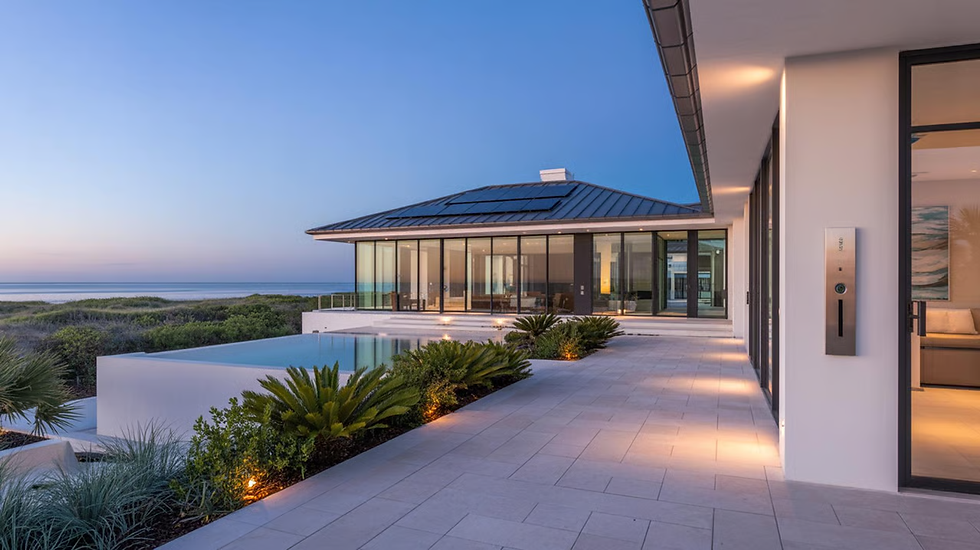
Long-Term Rental Demand Remains Strong in Palm Coast Golf Communities
Despite higher rental prices and stricter community regulations, golf community rentals in Palm Coast continue to experience strong long-term demand. A combination of demographic trends, Florida population growth, and lifestyle preferences has helped sustain interest in premium golf course neighborhoods across the region.
One of the largest groups driving demand is retirees relocating from northern states. Many retirees moving from areas with colder climates are attracted to Palm Coast’s warm weather, coastal setting, and slower pace of life. Golf communities often provide the type of recreational amenities, social opportunities, and low-maintenance lifestyle that appeal to active retirees seeking year-round outdoor living.
Seasonal Florida residents also contribute significantly to rental demand. Some renters prefer long-term seasonal stays without the responsibilities of full property ownership. Golf communities offer convenient access to recreation, gated security, and organized social environments that are especially appealing to snowbirds spending part of the year in Florida.
Affluent remote workers have become another growing segment of the rental market. As remote work continues expanding, many professionals are choosing quieter residential areas that provide better lifestyle quality outside of major urban centers. Palm Coast’s golf communities offer peaceful surroundings, larger homes, scenic views, and access to fitness and recreational amenities that support work-life balance.
Second-home renters are another important factor supporting demand. Some individuals and families rent within golf communities before eventually purchasing property in the area, while others use rentals as seasonal vacation homes. The ability to experience luxury community living without long-term ownership commitments makes these properties attractive for higher-income renters.
Active adult households also continue to fuel interest in golf-centered communities. Many residents prioritize walking trails, fitness centers, tennis courts, pickleball facilities, clubhouses, and social activities even more than golf itself. The overall lifestyle environment often becomes the primary attraction.
Palm Coast’s location also strengthens long-term rental demand. Positioned between Daytona Beach and St. Augustine along Florida’s northeast coast, the city offers convenient regional access while maintaining a quieter and less crowded atmosphere than many larger Florida markets. Residents benefit from nearby beaches, boating, outdoor recreation, and relatively mild year-round weather that supports golfing and outdoor activities throughout most of the year.
Communities such as Grand Haven and Hammock Dunes continue attracting renters seeking upscale living environments with maintained landscaping, gated entrances, and resort-style amenities. Even as rental costs remain elevated, these neighborhoods often retain strong appeal due to their reputation, location, and lifestyle offerings.
Florida’s continued population growth may also help support long-term demand for premium rental communities statewide. As more residents relocate to Florida for retirement, tax advantages, climate, and lifestyle reasons, well-maintained golf communities may remain desirable despite rising housing and rental costs.
While market conditions can fluctuate over time, Palm Coast’s golf communities continue to benefit from a combination of lifestyle-driven demand, coastal appeal, and demographic trends that support long-term interest from renters across multiple age groups and income levels.
Golf course rentals in Palm Coast offer far more than just proximity to a golf course. For many renters, the appeal lies in the lifestyle: scenic surroundings, resort-style amenities, social activities, and a quieter pace of life.
Still, the premium pricing is not automatically worthwhile for everyone. Renters should carefully evaluate how often they will realistically use the amenities and whether the community environment matches their lifestyle preferences.
For some, golf community living provides daily comfort and long-term satisfaction. For others, similar quality of life may be available elsewhere in Palm Coast without the added expense.
Sources
Florida Realtors — Rental market and housing trends: https://www.floridarealtors.org/
City of Palm Coast Official Website: https://www.palmcoast.gov/
Grand Haven Community Information: https://www.grandhaven.org/
Hammock Dunes Club: https://www.hammockdunes.org/
City of Palm Coast Official Website: https://www.palmcoast.gov/
Grand Haven Community Information: https://www.grandhaven.org/
Hammock Dunes Club: https://www.hammockdunes.org/
Florida Realtors Housing and Community Trends: https://www.floridarealtors.org/
U.S. Census Bureau Community Data: https://www.census.gov/
Florida Realtors Housing Market Information: https://www.floridarealtors.org/
City of Palm Coast Official Website: https://www.palmcoast.gov/
U.S. Census Bureau Population Data: https://www.census.gov/
Grand Haven Community Information: https://www.grandhaven.org/
Visit Florida Tourism Information: https://www.visitflorida.com/
Reddit community discussions from r/palmcoast and r/realestateinvesting


Comments