Moving to Florida: A Real Estate Guide for New Residents
- Maria V.
- Jun 11
- 32 min read
Florida continues to attract new residents from across the United States and around the world. With its warm climate, no state income tax, beautiful beaches, and diverse housing options, the Sunshine State offers an appealing lifestyle for retirees, families, remote workers, and investors alike.
If you are planning to relocate to Florida, understanding the local real estate market can help you make informed decisions and find a property that meets your needs.

Why People Are Moving to Florida
Florida continues to attract new residents from across the United States and around the world. With its warm climate, favorable tax environment, expanding economy, and diverse lifestyle options, the Sunshine State remains one of the most desirable places to live. Whether relocating for work, retirement, or a better quality of life, many people find that Florida offers unique advantages that are difficult to match elsewhere.
Year-Round Warm Weather
One of the biggest reasons people move to Florida is its pleasant climate. The state enjoys mild winters and abundant sunshine throughout the year, allowing residents to enjoy outdoor activities regardless of the season. From beach outings and boating to golfing and nature walks, Florida’s weather supports an active lifestyle year-round.
No State Income Tax
Florida is one of the few states that does not impose a state income tax. This financial advantage can result in significant savings for individuals, families, retirees, and business owners. Combined with relatively favorable tax policies, Florida often appeals to those looking to maximize their income and retirement savings.
Strong Job Market
Florida's economy continues to grow across multiple industries. Major employment sectors include healthcare, technology, tourism, construction, finance, logistics, and professional services. Cities such as Miami, Tampa, Orlando, Jacksonville, and Fort Lauderdale have experienced substantial business growth, creating opportunities for job seekers and entrepreneurs alike.
Access to Beaches and Outdoor Recreation
With more than 1,300 miles of coastline, Florida offers unparalleled access to beaches, waterways, and outdoor recreation. Residents can enjoy fishing, boating, kayaking, paddleboarding, hiking, and wildlife exploration throughout the state. Florida is also home to numerous state parks, nature preserves, and recreational areas that contribute to its appeal.
Growing Healthcare and Education Sectors
Florida has invested heavily in healthcare infrastructure and educational institutions. The state features nationally recognized hospitals, research centers, and medical facilities, making it an attractive destination for healthcare professionals and retirees. In addition, Florida's universities, colleges, and public school systems continue to expand and improve, supporting families and workforce development.
Diverse Communities and Lifestyles
One of Florida's greatest strengths is its diversity. Residents can choose from vibrant urban centers, family-friendly suburban communities, small coastal towns, or luxury waterfront neighborhoods. The state welcomes people from various cultural, professional, and economic backgrounds, creating communities that offer a wide range of lifestyles and opportunities.
Affordable Options Compared to Other Major Markets
While housing prices vary by region, many Florida markets still provide more affordable options compared to major metropolitan areas in states such as New York, California, and Massachusetts. Buyers can often find larger homes, more land, and desirable amenities for a comparable or lower cost.
A Lifestyle for Every Stage of Life
Florida appeals to a broad range of residents, including young professionals, growing families, retirees, and remote workers. Whether seeking career advancement, educational opportunities, recreational activities, or retirement living, Florida offers communities designed to meet different needs and goals.
Florida's continued population growth reflects its combination of economic opportunity, favorable tax policies, warm weather, and exceptional lifestyle benefits. From bustling cities to peaceful waterfront communities, the state provides a wide variety of living options for those seeking a fresh start or a long-term home. As more people discover the advantages of living in the Sunshine State, Florida remains one of the nation's top relocation destinations.

Choosing the Right Florida Location
One of the most important decisions is selecting the right city or region.
South Florida: Luxury Living, Business Opportunities, and Coastal Lifestyle
South Florida is one of the most sought-after regions in the United States, attracting homebuyers, investors, retirees, and professionals from around the world. Known for its beautiful coastline, thriving economy, and diverse communities, the region offers a unique combination of luxury living and strong real estate demand. Cities such as Miami, Fort Lauderdale, and Boca Raton continue to draw new residents seeking both lifestyle and investment opportunities.
A Global Business Hub
South Florida has evolved into a major center for international business, finance, technology, and trade. Its strategic location provides strong connections to Latin America, Europe, and other global markets. Many multinational companies have established offices in the region, creating employment opportunities and contributing to economic growth.
Miami, in particular, has become a leading destination for entrepreneurs, investors, and technology firms looking to expand their presence in the United States.
Luxury Real Estate Market
South Florida is renowned for its luxury real estate offerings. Buyers can choose from waterfront estates, oceanfront condominiums, golf course communities, and exclusive gated neighborhoods. High-end amenities such as private docks, resort-style pools, concierge services, and marina access are common features throughout the region.
Luxury communities in Boca Raton and Fort Lauderdale continue to attract affluent buyers seeking both primary residences and vacation homes.
Access to Beautiful Beaches
One of South Florida's greatest attractions is its extensive coastline. Residents enjoy year-round access to world-famous beaches, boating, fishing, paddleboarding, and other outdoor activities. The region's warm climate allows for an active coastal lifestyle throughout the year.
Whether enjoying a relaxing day by the ocean or participating in water sports, residents benefit from living close to some of the most desirable beaches in the country.
Strong Property Demand
South Florida's real estate market has demonstrated long-term resilience and strong demand. Population growth, international interest, limited waterfront inventory, and favorable tax policies continue to support property values throughout the region.
Many buyers view South Florida real estate as both a lifestyle investment and a long-term wealth-building opportunity. Waterfront properties and homes in desirable communities often maintain strong demand even during market fluctuations.
Diverse Lifestyle Options
The region offers a variety of living environments to suit different preferences. Urban professionals may be drawn to the vibrant culture and entertainment of Miami, while families often appreciate the suburban communities and highly regarded schools found in Boca Raton and surrounding areas.
Residents can enjoy fine dining, luxury shopping, cultural attractions, sporting events, golf courses, marinas, and outdoor recreation, all within a short distance from home.
Higher Home Prices with Lasting Value
Compared to many other parts of Florida, home prices in South Florida tend to be higher. Factors such as desirable coastal locations, strong demand, limited waterfront land, and luxury amenities contribute to elevated property values.
While the initial investment may be greater, many buyers consider the combination of lifestyle benefits, economic opportunities, and long-term appreciation potential to be well worth the cost.
South Florida continues to attract people from around the world because of its unique blend of luxury living, business opportunities, beautiful beaches, and strong real estate demand. Whether seeking a waterfront estate in Boca Raton, an urban condominium in Miami, or a coastal retreat in Fort Lauderdale, residents enjoy a dynamic lifestyle in one of America's most desirable regions.

Central Florida: Growth, Opportunity, and Affordable Living
Central Florida has become one of the fastest-growing regions in the United States, attracting families, professionals, retirees, and investors alike. Anchored by the Orlando metropolitan area, the region benefits from a diverse economy, expanding infrastructure, and a wide range of housing options. With strong employment opportunities and a high quality of life, Central Florida continues to be a popular destination for people seeking both personal and financial growth.
A Thriving Economic Center
While tourism remains a major economic driver, Central Florida has developed into much more than a vacation destination. The region has experienced significant growth in technology, healthcare, education, aerospace, and professional services.
Orlando is home to a growing technology sector, with companies focusing on simulation, software development, digital media, and advanced manufacturing. The area's business-friendly environment continues to attract new employers and entrepreneurs, contributing to a strong and diversified economy.
World-Class Tourism Industry
Central Florida is globally recognized for its tourism industry. Millions of visitors travel to the region each year to enjoy its famous theme parks, entertainment venues, shopping districts, and recreational attractions. The tourism sector supports a wide range of jobs and business opportunities while contributing significantly to the local economy.
The region's popularity among visitors also creates opportunities for real estate investors interested in vacation rentals and hospitality-related properties.
Expanding Healthcare Sector
Healthcare is one of the fastest-growing industries in Central Florida. Major hospitals, medical research institutions, and specialized healthcare facilities continue to expand throughout the region. This growth has increased demand for healthcare professionals and has strengthened the area's reputation as a medical hub.
Residents benefit from access to high-quality healthcare services while professionals find numerous career opportunities within the sector.
Strong Educational Opportunities
Education plays an important role in Central Florida's growth. The region is home to respected universities, colleges, technical schools, and research institutions that support workforce development and innovation.
Educational opportunities attract students from across the country and help supply skilled workers for the area's expanding industries.
Affordable Housing Options
Compared to many coastal regions of Florida, Central Florida often offers more affordable housing opportunities. Buyers can choose from established neighborhoods, suburban communities, master-planned developments, townhomes, condominiums, and newly constructed homes.
The combination of affordability and continued development has made the region particularly attractive to first-time homebuyers and growing families.
New Residential Developments
Rapid population growth has fueled significant residential construction throughout Central Florida. New communities frequently feature modern amenities such as community pools, fitness centers, walking trails, parks, and recreational facilities.
These developments provide residents with contemporary living options while helping meet the demand created by the area's expanding population.
Quality of Life and Recreation
Beyond its economic advantages, Central Florida offers a high quality of life. Residents enjoy warm weather, numerous lakes, outdoor recreation opportunities, golf courses, cultural attractions, shopping centers, and entertainment venues.
Its central location also provides convenient access to both Florida's Atlantic and Gulf Coast beaches, making weekend getaways easily accessible.
Central Florida continues to attract new residents due to its strong economy, expanding healthcare and education sectors, affordable housing options, and ongoing residential development. With Orlando serving as a major center for business, tourism, and innovation, the region offers an appealing balance of opportunity, affordability, and lifestyle benefits. As growth continues, Central Florida remains one of the state's most promising places to live and invest.
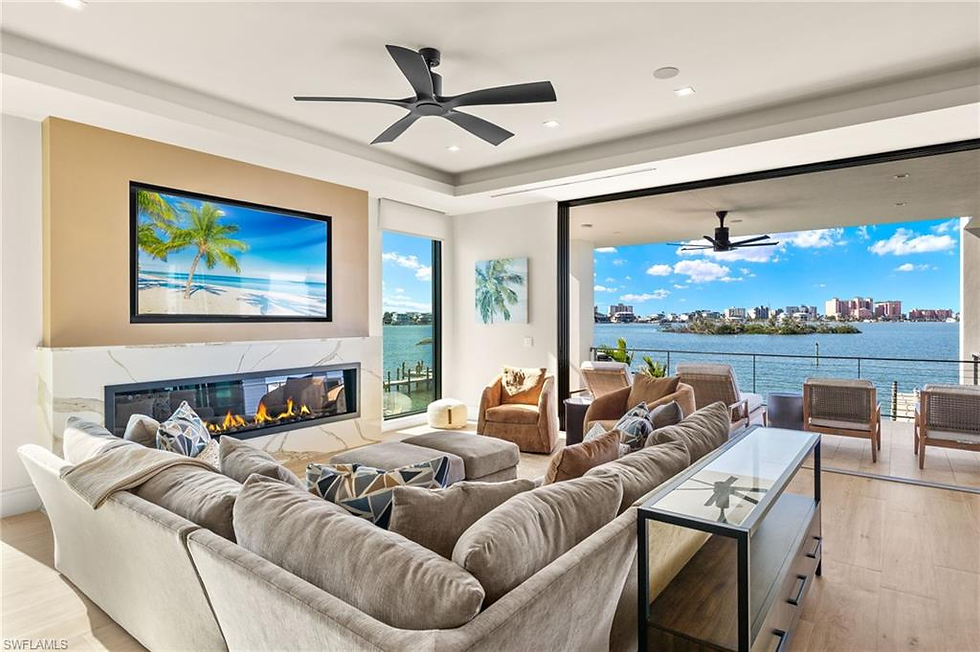
Southwest Florida: Waterfront Living and a Relaxed Coastal Lifestyle
Southwest Florida has long been a favorite destination for retirees, seasonal residents, and homebuyers seeking a peaceful coastal lifestyle. Known for its beautiful Gulf Coast beaches, waterfront communities, and year-round sunshine, the region offers an appealing combination of natural beauty, recreational opportunities, and strong real estate demand. Cities such as Naples and Fort Myers continue to attract people from across the United States who are looking for both luxury and relaxation.
A Popular Destination for Retirees
One of the defining characteristics of Southwest Florida is its popularity among retirees. The region offers a warm climate, access to quality healthcare, and a slower pace of life that appeals to those looking to enjoy their retirement years.
Many communities are specifically designed for active adults and retirees, offering amenities such as golf courses, clubhouses, fitness centers, social activities, and maintenance-free living options.
Attractive to Seasonal Residents
Southwest Florida is also a major destination for seasonal residents, often referred to as "snowbirds." Many homeowners spend the winter months enjoying the region's mild weather while avoiding colder climates in the northern United States and Canada.
This seasonal demand supports a strong market for second homes, condominiums, and vacation properties throughout the area.
Exceptional Waterfront Properties
Waterfront real estate remains one of the biggest attractions in Southwest Florida. Buyers can find a wide range of properties, including Gulf-front estates, canal homes with private docks, luxury condominiums, and homes overlooking bays, rivers, and lakes.
Many waterfront communities provide direct boating access to the Gulf of Mexico, making them especially appealing to boating enthusiasts and anglers.
Naples: Luxury and Coastal Elegance
Naples is widely recognized as one of Florida's premier luxury destinations. The city is known for its upscale neighborhoods, high-end shopping, fine dining, championship golf courses, and pristine beaches.
Luxury waterfront homes and exclusive gated communities continue to attract affluent buyers seeking a sophisticated coastal lifestyle. Naples consistently ranks among Florida's most desirable places to live due to its combination of elegance, safety, and quality of life.
Fort Myers: Growth and Affordability
Fort Myers offers a slightly more affordable alternative while still providing many of the benefits associated with Southwest Florida living. The city has experienced significant growth in recent years, attracting families, retirees, and investors.
Residents enjoy beautiful waterfront areas, historic attractions, growing business opportunities, and easy access to nearby beaches and nature preserves. Fort Myers continues to develop while maintaining its relaxed Gulf Coast character.
Outdoor Recreation and Natural Beauty
Southwest Florida offers countless opportunities for outdoor recreation. Residents enjoy boating, fishing, kayaking, paddleboarding, golfing, hiking, and wildlife viewing throughout the year.
The region is home to beautiful beaches, coastal preserves, and nature parks that allow residents to experience Florida's unique ecosystems and abundant wildlife.
Strong Real Estate Demand
The area's desirable lifestyle, limited waterfront inventory, and growing population contribute to strong long-term real estate demand. Waterfront properties, in particular, remain highly sought after by both primary residents and second-home buyers.
Many investors view Southwest Florida as a stable market with strong potential for long-term property appreciation and rental income opportunities.
Southwest Florida continues to attract retirees, seasonal residents, and homebuyers who value waterfront living, outdoor recreation, and a relaxed coastal lifestyle. Whether choosing the luxury communities of Naples or the growing neighborhoods of Fort Myers, residents enjoy beautiful surroundings, warm weather, and access to some of Florida's most desirable real estate. For those seeking a balance between comfort, recreation, and investment potential, Southwest Florida remains an outstanding choice.

Northeast Florida: Affordability, Coastal Living, and Growing Opportunities
Northeast Florida has become an increasingly attractive destination for homebuyers, families, retirees, and professionals seeking a balance between affordability and quality of life. Anchored by cities such as Jacksonville, St. Augustine, and Palm Coast, the region offers beautiful coastlines, expanding job markets, and a lower cost of living compared to many other parts of Florida. With continued population growth and economic development, Northeast Florida is emerging as one of the state's most appealing regions.
Jacksonville: A Growing Economic Center
Jacksonville is the largest city by land area in the continental United States and serves as the economic hub of Northeast Florida. The city boasts a diverse economy supported by industries such as healthcare, logistics, financial services, technology, manufacturing, and defense.
Its growing employment opportunities continue to attract professionals and businesses, while relatively affordable housing options compared to South Florida make Jacksonville an attractive place to live and work.
St. Augustine: Historic Charm Meets Modern Living
Known as the oldest continuously inhabited European-established city in the United States, St. Augustine offers a unique blend of history, culture, and coastal beauty. Residents enjoy charming historic districts, beautiful beaches, excellent restaurants, and a relaxed lifestyle.
The city attracts retirees, families, and professionals who appreciate its small-town atmosphere while still benefiting from access to larger employment centers nearby.
Palm Coast: Affordability and Quality of Life
Palm Coast has experienced steady growth due to its affordability, modern residential developments, and access to natural attractions. The city offers a wide variety of housing options, including single-family homes, golf course properties, waterfront residences, and planned communities.
Residents enjoy a peaceful environment, excellent parks, walking and biking trails, and convenient access to both Jacksonville and Orlando. Palm Coast is particularly attractive to retirees and families seeking value without sacrificing lifestyle amenities.
Coastal Living at Its Best
One of Northeast Florida's greatest advantages is its access to the Atlantic coastline. Residents can enjoy miles of sandy beaches, boating, fishing, kayaking, surfing, and other outdoor activities throughout the year.
The region's warm climate and natural beauty support an active lifestyle while providing opportunities to enjoy Florida's coastal environment without some of the higher costs associated with other waterfront markets.
Affordable Housing Options
Compared to many areas in South Florida and parts of Southwest Florida, Northeast Florida generally offers more affordable housing opportunities. Buyers can often find larger homes, newer developments, and spacious lots at more accessible price points.
This affordability has helped attract first-time homebuyers, relocating families, and retirees looking to maximize their purchasing power.
Expanding Employment Opportunities
The region's economy continues to diversify and grow. Jacksonville remains a major employment center, while surrounding communities benefit from expanding healthcare systems, educational institutions, tourism, construction, and professional services.
Infrastructure improvements and continued population growth are expected to support additional economic development throughout Northeast Florida in the coming years.
Recreation and Outdoor Activities
Beyond its beaches, Northeast Florida offers abundant recreational opportunities. Residents enjoy golf courses, state parks, nature preserves, waterways, and extensive trail systems. The region's outdoor lifestyle contributes significantly to its appeal for people seeking both relaxation and adventure.
Northeast Florida offers a compelling combination of affordability, coastal living, and economic opportunity. Cities such as Jacksonville, St. Augustine, and Palm Coast provide diverse housing options, growing job markets, and access to beautiful natural surroundings. Whether relocating for work, retirement, or a better quality of life, many residents find Northeast Florida to be one of the state's most attractive and balanced regions.

Florida Panhandle: Coastal Beauty and Affordable Gulf Coast Living
The Florida Panhandle is a unique region known for its stunning white-sand beaches, emerald-green waters, and relaxed coastal lifestyle. Stretching across the northwestern portion of the state along the Gulf of Mexico, the Panhandle offers residents an attractive combination of natural beauty, affordability, and growing economic opportunities. Communities such as Pensacola and Destin continue to attract families, retirees, military personnel, and remote workers seeking a high quality of life at a lower cost than many other Florida coastal markets.
Beautiful Gulf Coast Beaches
One of the Panhandle's greatest attractions is its world-renowned coastline. The region is home to some of the most picturesque beaches in the United States, featuring soft white quartz sand and clear Gulf waters.
Residents enjoy easy access to swimming, boating, fishing, paddleboarding, snorkeling, and other outdoor activities throughout much of the year. The area's natural beauty attracts visitors and supports a thriving tourism industry.
Pensacola: History, Culture, and Economic Growth
Pensacola offers a blend of historic charm and modern economic opportunity. As one of Florida's oldest settlements, the city features a rich cultural heritage, vibrant downtown district, and beautiful waterfront areas.
The local economy is supported by industries such as healthcare, education, military operations, aerospace, manufacturing, and tourism. The presence of military installations contributes significantly to employment and economic stability throughout the region.
Destin: A Premier Coastal Destination
Destin is known for its exceptional beaches, boating opportunities, and thriving vacation market. Often referred to as the "World's Luckiest Fishing Village," Destin attracts visitors and property buyers from across the country.
Residents enjoy a resort-style atmosphere with access to golf courses, marinas, waterfront dining, and luxury coastal communities. The area's strong tourism industry also supports local businesses and real estate investment opportunities.
Lower Cost of Living
Compared to many parts of South Florida, the Florida Panhandle generally offers a lower cost of living and more affordable housing options. Buyers can often find larger homes, waterfront properties, and spacious lots at prices that may be significantly lower than those found in major metropolitan coastal markets.
This affordability has made the region increasingly attractive to retirees, families, and individuals seeking a coastal lifestyle without the higher costs associated with larger cities.
Outdoor Recreation and Natural Resources
Beyond its beaches, the Florida Panhandle offers abundant outdoor recreation opportunities. Residents can explore state parks, nature preserves, hiking trails, rivers, and wildlife habitats throughout the region.
Fishing, boating, camping, birdwatching, and water sports remain popular activities, contributing to an active and healthy lifestyle for residents of all ages.
Growing Real Estate Market
The Panhandle's combination of affordability, coastal appeal, and population growth has contributed to a steadily growing real estate market. Demand for primary residences, vacation homes, and investment properties continues to support development throughout many communities.
As remote work becomes more common, the area's attractive lifestyle and lower housing costs have encouraged additional migration from higher-cost states and metropolitan areas.
Family-Friendly Communities
Many Panhandle communities offer a welcoming, small-town atmosphere while still providing access to modern amenities, healthcare services, shopping, and educational opportunities. This balance appeals to families looking for a safe and comfortable environment with a strong sense of community.
The Florida Panhandle offers a compelling mix of coastal beauty, affordability, and lifestyle advantages. Cities such as Pensacola and Destin provide access to stunning Gulf Coast beaches, growing employment opportunities, and a lower cost of living than many other Florida coastal regions. Whether seeking a retirement destination, family home, or investment property, the Panhandle continues to attract residents looking for the best of Florida's Gulf Coast living.

Single-Family Homes: Privacy, Space, and Long-Term Value
Single-family homes remain one of the most popular housing choices for families, retirees, and long-term homeowners. Designed as standalone residential properties, these homes offer a unique combination of privacy, personal space, and ownership benefits that appeal to a wide range of buyers. Whether located in suburban neighborhoods, master-planned communities, or coastal areas, single-family homes continue to be a cornerstone of the real estate market.
What Is a Single-Family Home?
A single-family home is a detached residential property designed to house one family or household. Unlike condominiums, townhomes, or multifamily properties, single-family homes typically sit on their own parcel of land and do not share walls with neighboring residences.
Homeowners generally have full control over both the structure and the surrounding property, allowing greater flexibility for customization and long-term planning.
Privacy and Independence
One of the biggest advantages of owning a single-family home is privacy. Detached homes provide separation from neighboring properties, reducing noise and creating a more peaceful living environment.
Families often appreciate having private outdoor areas, personal driveways, and dedicated entrances. This additional space allows homeowners to enjoy their property without many of the limitations associated with shared residential communities.
More Outdoor Living Space
Single-family homes typically offer larger yards and outdoor areas than many other housing options. These spaces can be used for gardening, children's play areas, outdoor entertaining, pet activities, or future property improvements.
For families with children or pets, having access to a private yard can significantly enhance daily living and overall quality of life.
Flexibility for Customization
Homeowners generally have greater freedom to modify and personalize single-family homes. Renovations, landscaping projects, home additions, swimming pools, outdoor kitchens, and other improvements can often be completed without the restrictions commonly found in condominiums or some homeowner associations.
This flexibility allows owners to tailor their homes to meet changing needs and personal preferences over time.
Strong Long-Term Ownership Benefits
Single-family homes are often viewed as long-term investments. Historically, detached homes have demonstrated strong demand in many real estate markets due to their broad appeal among buyers.
As homeowners build equity through mortgage payments and property appreciation, they can create long-term financial value while enjoying the benefits of homeownership.
Ideal for Growing Families
Families frequently choose single-family homes because of the additional living space they provide. Multiple bedrooms, larger kitchens, dedicated family rooms, home offices, and outdoor recreation areas help accommodate changing household needs.
Many single-family home communities are also located near schools, parks, shopping centers, and recreational facilities, making them attractive environments for raising children.
Potential for Future Appreciation
Although real estate markets can fluctuate, single-family homes often benefit from consistent buyer demand. Factors such as limited land availability, population growth, and desirable locations can contribute to long-term property appreciation.
Buyers who plan to remain in their homes for several years often view single-family homeownership as both a lifestyle decision and an investment opportunity.
Considerations Before Buying
While single-family homes offer numerous advantages, buyers should also consider responsibilities such as property maintenance, landscaping, insurance costs, and repairs. Owning a detached home generally requires more ongoing upkeep than condominiums or certain maintenance-free communities.
Carefully evaluating budget, location, and lifestyle goals can help determine whether a single-family home is the right choice.
Single-family homes continue to attract buyers seeking privacy, outdoor space, flexibility, and long-term ownership benefits. Their ability to provide independence, room for growth, and potential financial value makes them an appealing option for families and individuals alike. For those looking to establish roots and enjoy greater control over their living environment, a single-family home remains one of the most rewarding real estate choices available.

Condominiums: A Low-Maintenance Lifestyle with Attractive Amenities
Condominiums, commonly known as condos, have become an increasingly popular housing choice for retirees, vacation homeowners, young professionals, and buyers seeking a more convenient lifestyle. Offering a combination of homeownership and shared community benefits, condominiums provide an attractive alternative to traditional single-family homes. For many buyers, the appeal lies in reduced maintenance responsibilities, desirable amenities, and access to prime locations.
What Is a Condominium?
A condominium is a privately owned residential unit within a larger building or community. While owners hold title to their individual units, common areas such as hallways, elevators, landscaping, pools, fitness centers, and recreational facilities are shared among all residents.
These shared spaces are typically managed by a homeowners association (HOA) or condominium association, which oversees maintenance and community operations.
Lower Maintenance Responsibilities
One of the primary reasons buyers choose condominiums is the reduced maintenance burden. Unlike single-family homeowners who are responsible for lawn care, exterior repairs, and common area upkeep, condo owners generally have many of these responsibilities handled through association services.
This maintenance-free lifestyle is particularly appealing to retirees, seasonal residents, and busy professionals who prefer to spend less time managing property-related tasks.
Popular Among Retirees
Condominiums are especially attractive to retirees seeking convenience and simplicity. Many condo communities offer security features, social activities, recreational amenities, and easy access to healthcare, shopping, and dining.
Without the responsibilities associated with maintaining a large home or yard, retirees can focus on enjoying their lifestyle and pursuing hobbies, travel, and leisure activities.
Ideal for Vacation Homeowners
Many vacation property buyers choose condominiums because they provide an easy-to-manage second home. Owners can lock and leave their units for extended periods while the association continues maintaining the exterior and common areas.
This convenience makes condominiums particularly popular in coastal destinations, resort communities, and other vacation markets throughout Florida and beyond.
Access to Desirable Amenities
Condominium communities often offer amenities that may be difficult or costly to maintain in a private residence. Depending on the development, residents may enjoy:
Swimming pools
Fitness centers
Clubhouses
Tennis and pickleball courts
Security services
Private beach access
Marina facilities
Social and recreational programs
These features can significantly enhance residents' quality of life and provide opportunities for social interaction within the community.
Prime Locations
Many condominiums are located in highly desirable areas, including downtown districts, waterfront neighborhoods, beach communities, and resort destinations. Buyers often gain access to locations that might be financially out of reach when purchasing a comparable single-family home.
This location advantage is one of the key reasons condominiums remain in strong demand among both primary residents and second-home buyers.
Financial Considerations
While condominiums can offer lower maintenance costs, buyers should carefully review association fees and governing documents before purchasing. HOA or condominium association fees typically cover maintenance, insurance for common areas, amenities, and reserve funds for future repairs.
Understanding these costs and the association's financial health is an important part of the buying process.
Potential Investment Benefits
Condominiums can also serve as investment properties in markets with strong rental demand. Vacation destinations and urban centers often attract tenants seeking convenient housing options close to attractions, employment centers, or recreational amenities.
However, investors should always review local regulations and association rules regarding rental activity before purchasing.
Condominiums offer an appealing combination of convenience, lower maintenance responsibilities, and access to attractive amenities. Their popularity among retirees, vacation homeowners, and buyers seeking a simplified lifestyle continues to support strong demand in many real estate markets. For those looking to enjoy homeownership without many of the responsibilities associated with a traditional house, a condominium can be an excellent option.

Townhomes: The Perfect Balance Between Space and Convenience
For many homebuyers, townhomes offer an attractive middle-ground between condominiums and single-family homes. Combining the benefits of homeownership with reduced maintenance responsibilities, townhomes have become increasingly popular among first-time buyers, young professionals, growing families, retirees, and investors. Their practical design, affordability, and community-oriented lifestyle make them a compelling option in many real estate markets.
What Is a Townhome?
A townhome, or townhouse, is a multi-level residential property that shares one or more walls with neighboring homes while maintaining its own private entrance. Unlike condominiums, townhome owners typically own both the interior and exterior structure of their unit, as well as the land on which it sits.
Townhomes are often located within planned communities that may include shared amenities and homeowner association (HOA) services.
More Space Than a Condominium
One of the biggest advantages of a townhome is the additional living space it often provides. Many townhomes feature multiple floors, larger floor plans, private garages, outdoor patios, and additional storage areas.
This extra space can be particularly appealing to families, remote workers, and homeowners who need room for guests, home offices, or recreational activities.
Lower Maintenance Than a Detached Home
While single-family homes offer maximum privacy, they also come with significant maintenance responsibilities. Townhomes often reduce some of these obligations through homeowner associations that may handle landscaping, exterior maintenance, community amenities, and common area upkeep.
This arrangement allows homeowners to enjoy many of the benefits of ownership without taking on all of the maintenance tasks associated with a detached property.
Affordable Homeownership Opportunity
In many markets, townhomes are more affordable than comparable single-family homes. Buyers can often access desirable neighborhoods, quality schools, and attractive amenities at a lower purchase price.
This affordability makes townhomes an appealing choice for first-time buyers looking to enter the housing market while still building equity through homeownership.
Community Amenities and Lifestyle
Many townhome communities offer amenities that enhance residents' quality of life. Depending on the development, homeowners may have access to:
Swimming pools
Fitness centers
Clubhouses
Walking trails
Parks and playgrounds
Security features
Recreational facilities
These amenities create opportunities for social interaction while providing additional value for residents.
Ideal for Various Life Stages
Townhomes appeal to a wide range of buyers because they can accommodate different lifestyle needs. Young professionals appreciate the convenience and affordability, families enjoy the added space, and retirees often value the lower-maintenance lifestyle.
This broad market appeal contributes to the continued popularity of townhomes in both urban and suburban communities.
Investment Potential
Townhomes can also serve as attractive investment properties. Their affordability and broad appeal often create strong rental demand, particularly in growing metropolitan areas and desirable residential communities.
Investors may benefit from both rental income and long-term property appreciation, depending on market conditions and location.
Important Considerations
Before purchasing a townhome, buyers should review homeowner association rules, fees, and maintenance responsibilities. Understanding what services are covered by the HOA and what responsibilities remain with the homeowner is essential for making an informed decision.
Buyers should also evaluate factors such as location, community amenities, property condition, and long-term financial goals.
Townhomes offer a practical balance between the spaciousness of a single-family home and the convenience of condominium living. With more living space, reduced maintenance responsibilities, and often greater affordability, they provide an attractive option for a wide variety of homebuyers. For those seeking comfort, value, and flexibility, a townhome can be an excellent choice in today's real estate market.

Waterfront Properties: Florida’s Most Desirable Real Estate
Waterfront properties are among the most sought-after real estate options in Florida, attracting homebuyers, investors, retirees, and seasonal residents from around the world. With an extensive coastline, thousands of lakes, and an intricate canal and Intracoastal Waterway system, Florida offers a wide variety of waterfront living opportunities. These properties include oceanfront homes, Intracoastal residences, canal homes, and lakefront estates, each offering a unique lifestyle centered around water access and scenic views.
Oceanfront Homes
Oceanfront properties are some of the most prestigious real estate options in Florida. Located directly along the Atlantic Ocean or Gulf of Mexico, these homes provide immediate beach access and unobstructed water views.
Oceanfront living is highly desirable due to its natural beauty, recreational opportunities, and strong long-term demand. Residents enjoy activities such as swimming, surfing, beach walking, and boating, all within steps of their home.
Intracoastal Waterway Properties
The Intracoastal Waterway runs along Florida’s coastline and provides protected boating routes for residents. Homes located along this system are especially popular among boating enthusiasts because they offer convenient dock access and calmer waters compared to the open ocean.
Intracoastal properties often feature luxury homes, private docks, and easy access to marinas, restaurants, and coastal attractions.
Canal Homes
Canal-front homes are common in many Florida communities, particularly in South Florida and coastal cities. These properties typically offer direct access to larger bodies of water, making them ideal for boating, fishing, and water sports.
Canal homes vary widely in price and style, ranging from modest residences to high-end luxury estates with private docks and deep-water access.
Lakefront Residences
Florida is home to thousands of natural and man-made lakes, making lakefront living a popular inland alternative to coastal properties. Lakefront homes offer peaceful views, recreational fishing, kayaking, and a quieter environment compared to oceanfront areas.
Many lakefront communities are located near major cities, offering a balance between nature and convenience.
Lifestyle Benefits of Waterfront Living
Waterfront properties provide more than just scenic views—they offer a distinct lifestyle centered on relaxation, recreation, and outdoor living. Residents often enjoy:
Boating and fishing
Paddleboarding and kayaking
Waterfront dining and entertainment
Private docks and marinas
Sunset and sunrise views
Increased privacy in many locations
This lifestyle appeal is a major reason waterfront properties remain in high demand.
Strong Investment Demand
Waterfront real estate in Florida has historically maintained strong demand due to limited supply and high desirability. Properties with direct water access or views often retain value well and can experience significant appreciation over time.
Investors are particularly drawn to waterfront homes in tourist-heavy or high-growth areas, where short-term rental demand can also be strong.
Considerations When Buying Waterfront Property
While waterfront living offers many advantages, buyers should consider additional factors such as insurance costs, flood zones, hurricane exposure, and maintenance requirements. Proper due diligence, including inspections and understanding local regulations, is essential before purchasing.
Working with experienced real estate professionals can help buyers navigate zoning rules, dock permits, and environmental considerations.
Florida waterfront properties represent some of the most desirable real estate in the United States. From oceanfront estates and Intracoastal homes to canal residences and lakefront properties, buyers have a wide range of options to match their lifestyle and investment goals. With strong demand, limited supply, and unmatched natural beauty, waterfront living continues to define Florida’s luxury and coastal real estate market.

New Construction Communities: Modern Living with Built-In Convenience
New construction communities have become one of the fastest-growing segments in the real estate market, attracting buyers who value modern design, energy efficiency, and lifestyle-focused amenities. These master-planned neighborhoods are carefully developed to offer a cohesive living experience, combining new homes with community features such as parks, fitness centers, walking trails, and recreational spaces.
What Are New Construction Communities?
New construction communities are residential developments where homes, infrastructure, and amenities are built as part of a unified plan. These communities are typically developed by large homebuilders and designed to provide a consistent architectural style, organized layouts, and shared neighborhood features.
They often include single-family homes, townhomes, or a mix of housing types, depending on the design of the development.
Modern Home Design and Features
One of the main attractions of new construction communities is the modern design of the homes. Buyers benefit from open floor plans, updated kitchens, energy-efficient appliances, smart home technology, and contemporary finishes.
These homes are built to meet current building codes and often include improved insulation, high-performance windows, and energy-saving systems that can help reduce utility costs.
Energy Efficiency and Sustainability
New construction homes are typically more energy-efficient than older properties. Builders incorporate advanced materials and systems designed to reduce environmental impact and improve long-term cost savings for homeowners.
Features may include:
Energy-efficient HVAC systems
LED lighting
Smart thermostats
Water-saving plumbing fixtures
High-efficiency insulation and windows
These upgrades not only lower monthly utility bills but also contribute to more sustainable living.
Resort-Style Community Amenities
Many master-planned communities are designed to offer resort-style amenities that enhance residents' quality of life. These may include:
Swimming pools and water parks
Fitness centers and gyms
Clubhouses and event spaces
Walking and biking trails
Dog parks and playgrounds
Sports courts such as tennis or pickleball
These shared amenities encourage an active and social lifestyle within the community.
Sense of Community and Planning
New construction communities are often designed with walkability, safety, and convenience in mind. Neighborhood layouts may include sidewalks, green spaces, and centralized gathering areas that promote interaction among residents.
Homeowners often benefit from organized homeowner associations that help maintain community standards and shared facilities.
Low Maintenance Living
Because everything in the community is newly built, homeowners typically experience fewer immediate repair needs compared to older homes. Many developments also include maintenance services for landscaping or common areas, reducing the workload for residents.
This makes new construction communities particularly appealing to busy professionals, families, and retirees.
Flexible Home Options
Buyers in new construction communities often have the opportunity to choose from different floor plans, design options, and upgrade packages. This allows homeowners to personalize their homes before construction is completed.
Options may include upgraded flooring, kitchen finishes, bathroom layouts, and exterior design features.
Investment and Long-Term Value
New construction communities often experience strong demand due to their modern appeal and desirable amenities. As the surrounding area develops, property values may increase over time, making these communities attractive for long-term investment.
Buyers also benefit from builder warranties that provide added protection during the early years of homeownership.
New construction communities offer a modern, convenient, and lifestyle-focused approach to homeownership. With energy-efficient homes, resort-style amenities, and thoughtfully planned neighborhoods, they appeal to a wide range of buyers seeking comfort and long-term value. For those looking for a move-in-ready lifestyle with minimal maintenance and modern design, these communities represent one of the most attractive options in today’s housing market.

Important Costs to Consider When Buying a Home
When purchasing a home, many buyers focus primarily on the purchase price. However, the total cost of homeownership includes several additional ongoing expenses that are important to understand before making a decision. Proper budgeting helps ensure long-term financial stability and prevents unexpected financial strain after closing.
Property Taxes
Property taxes are one of the most significant recurring costs for homeowners. These taxes are determined by local governments and vary depending on the property’s location, assessed value, and applicable tax rates.
In some areas, property taxes can increase over time as property values rise or local budgets change.
Homeowners Insurance
Homeowners insurance protects against damage or loss caused by events such as fire, theft, and certain natural disasters. Lenders typically require this coverage if a mortgage is involved.
Premiums vary based on factors such as property value, location, construction type, and risk exposure.
Flood Insurance (If Applicable)
In flood-prone areas, especially coastal regions or low-lying zones, flood insurance may be required or strongly recommended. Standard homeowners insurance policies usually do not cover flood damage.
Costs for flood insurance can vary widely depending on elevation, flood zone classification, and proximity to water.
Homeowners Association (HOA) or Condominium Fees
Many residential communities, especially condominiums and planned developments, require monthly or annual HOA fees. These fees typically cover maintenance of common areas, amenities, security, and community management services.
Condominium associations may also include building insurance, exterior maintenance, and reserve funds for future repairs.
Maintenance and Repairs
All homeowners should budget for ongoing maintenance and unexpected repairs. These costs may include landscaping, HVAC servicing, roof repairs, plumbing issues, appliance replacement, and general upkeep.
Older homes may require higher maintenance expenses, while newer construction may reduce short-term repair needs.
Utility Costs
Utility expenses such as electricity, water, gas, internet, and trash collection are recurring monthly costs that vary based on property size, efficiency, and usage habits.
Energy-efficient homes can help reduce utility bills over time, especially those with modern insulation and appliances.
Location and Insurance Cost Differences
Insurance costs can vary significantly depending on location. Coastal areas, in particular, often have higher premiums due to risks associated with hurricanes, storm surge, and flooding.
Buyers in these regions should carefully evaluate insurance requirements and potential long-term costs before purchasing.
Understanding the full range of homeownership costs is essential for making an informed real estate decision. Beyond the purchase price, expenses such as taxes, insurance, HOA fees, maintenance, and utilities all contribute to the true cost of owning a home. Careful planning and budgeting can help buyers choose a property that aligns with both their lifestyle and financial goals.
Financing Your Florida Home: Key Steps Before You Buy
Buying a home in Florida is an exciting milestone, but successful homeownership begins with strong financial preparation. Understanding your budget, credit profile, and mortgage options can make the home-buying process smoother and improve your chances of securing the right property in a competitive market.
Before beginning your home search, it is important to take several key financial steps to ensure you are well-prepared.
Review Your Credit Score
Your credit score plays a major role in determining your mortgage eligibility, interest rate, and loan terms. Lenders use it to assess your financial reliability and repayment history.
Before applying for a mortgage, buyers should review their credit report for accuracy, pay down outstanding debts when possible, and avoid taking on new large credit obligations.
Obtain Mortgage Pre-Approval
Mortgage pre-approval is one of the most important steps in the home-buying process. It involves a lender reviewing your financial situation—such as income, credit score, employment history, and debt—to determine how much you may be eligible to borrow.
In competitive Florida real estate markets, a pre-approval letter strengthens your offer and shows sellers that you are a serious and qualified buyer.
Determine Your Budget
Setting a realistic budget is essential before beginning your home search. Buyers should consider not only the purchase price but also additional costs such as property taxes, insurance, maintenance, and association fees.
A well-planned budget helps prevent overextending financially and ensures long-term affordability.
Compare Loan Options and Interest Rates
There are several types of mortgage loans available, including conventional loans, FHA loans, VA loans, and jumbo loans. Each loan type has different requirements, benefits, and interest rates.
Comparing lenders and loan programs can help buyers secure more favorable terms and potentially save thousands of dollars over the life of the loan.
Understand Closing Costs
Closing costs are additional fees paid at the final stage of a real estate transaction. These may include lender fees, title insurance, appraisal fees, recording fees, and prepaid expenses such as taxes and insurance.
In Florida, closing costs typically range from a small percentage to several percent of the home’s purchase price, depending on the transaction.
Strengthening Your Offer in Florida’s Market
Florida real estate markets can be highly competitive, especially in desirable coastal and metropolitan areas. A mortgage pre-approval gives buyers a clear advantage by demonstrating financial readiness.
Sellers are more likely to accept offers from pre-approved buyers because it reduces uncertainty and the risk of financing delays.
Financing a home in Florida requires careful planning and preparation. By reviewing your credit score, obtaining mortgage pre-approval, setting a clear budget, comparing loan options, and understanding closing costs, you can approach the market with confidence. These steps not only improve your financial readiness but also strengthen your position in competitive real estate environments.

Working with a Local Real Estate Professional in Florida
Florida’s real estate market is highly diverse, with significant differences between regions such as South Florida, Central Florida, Southwest Florida, and the Panhandle. Because of these variations in pricing, demand, and lifestyle factors, working with a local real estate professional can be one of the most valuable decisions a homebuyer or investor can make.
A knowledgeable agent provides insight that goes beyond property listings, helping buyers navigate complex markets and make informed decisions.
Identifying Suitable Neighborhoods
One of the primary advantages of working with a local real estate professional is their deep understanding of neighborhoods. They can recommend areas based on lifestyle preferences, budget, school districts, commute times, and long-term investment potential.
Whether you are seeking waterfront living, suburban communities, or urban condos, a local agent can narrow down options that align with your needs.
Understanding Market Trends
Florida’s housing market can vary widely even within the same county. Local professionals stay updated on current market trends, including pricing shifts, inventory levels, and buyer demand.
This knowledge helps clients make informed decisions about when and where to buy, potentially saving both time and money.
Evaluating Property Values
Accurately assessing a property’s value is essential in a competitive real estate market. Local agents use comparable sales data, neighborhood insights, and market conditions to determine whether a listing is fairly priced.
This helps buyers avoid overpaying and ensures they make sound long-term investment decisions.
Navigating Contracts and Negotiations
Real estate transactions involve complex contracts, contingencies, and legal requirements. A local real estate professional helps clients understand the terms of an offer and negotiate effectively with sellers.
Their experience can be especially valuable in competitive markets where multiple offers are common.
Coordinating Inspections and Closings
From home inspections to final closing procedures, real estate professionals help coordinate each step of the transaction. They work with inspectors, lenders, appraisers, and title companies to ensure the process runs smoothly.
This coordination reduces stress and helps prevent delays or unexpected issues during closing.
Saving Time and Reducing Risk
Because Florida’s real estate market can move quickly, having an experienced local agent can save buyers significant time. Instead of searching blindly, clients receive curated property recommendations that match their criteria.
In addition, professional guidance helps reduce risks associated with pricing errors, contract misunderstandings, and overlooked property issues.
Working with a local real estate professional in Florida provides buyers with valuable expertise, market insight, and transaction support. From identifying the right neighborhoods to managing negotiations and closing procedures, their knowledge can make the home-buying process more efficient and successful. In a diverse and competitive market like Florida, having the right local guidance can make all the difference.

Preparing for Florida Living: A Guide for New Residents
Relocating to Florida is an exciting opportunity, but successful transition involves more than simply purchasing a home. New residents benefit from preparing in advance for practical, legal, and lifestyle adjustments that come with moving to a new state. From transportation requirements to healthcare and weather preparedness, understanding these essentials can help ensure a smooth and stress-free relocation.
Registering Vehicles in Florida
New residents are required to register their vehicles in Florida after establishing residency. This includes obtaining Florida license plates and updating registration documents.
Vehicle registration helps ensure compliance with state laws and is an important first step after moving.
Updating Driver’s Licenses
Florida law requires new residents to obtain a Florida driver’s license within a specified timeframe after moving. This process typically involves visiting a local Department of Highway Safety and Motor Vehicles office, providing identification, and surrendering an out-of-state license.
Updating your license also helps establish official residency in the state.
Establishing Healthcare Providers
Finding healthcare providers is an important step for individuals and families moving to Florida. New residents should research local doctors, dentists, specialists, and nearby hospitals.
Establishing care early helps ensure continuity of medical services and access to emergency and routine healthcare needs.
Researching Schools for Families
For families with children, researching school districts is a key part of the relocation process. Florida offers a mix of public, charter, and private schools, each with different programs and performance levels.
Understanding school zoning and enrollment requirements can help families choose the right community for their educational needs.
Understanding Hurricane Preparedness
Because Florida is prone to tropical storms and hurricanes, new residents should familiarize themselves with emergency preparedness procedures. This includes knowing evacuation zones, assembling emergency supply kits, and staying informed through official weather alerts.
Preparation is essential for safety during storm season and helps reduce risk during severe weather events.
Exploring Local Community Services
Florida communities offer a wide range of public services, including libraries, parks, recreation centers, transportation systems, and social programs. Exploring these services can help new residents integrate into their communities more quickly.
Local government websites often provide valuable information about available resources and community events.
Adjusting to the Florida Lifestyle
Beyond logistics, moving to Florida often involves adapting to a new lifestyle. The state offers a warm climate, outdoor recreation opportunities, cultural diversity, and a variety of urban, suburban, and coastal living environments.
Taking time to explore local areas can help new residents feel more at home and connected.
Preparing for Florida living requires thoughtful planning beyond the home purchase itself. By addressing important tasks such as vehicle registration, driver’s license updates, healthcare setup, school research, hurricane preparedness, and community engagement, new residents can ensure a smooth and successful transition. With the right preparation, relocating to Florida can be a rewarding and enjoyable experience.
Moving to Florida can be an exciting opportunity to enjoy a favorable climate, diverse communities, and a wide range of real estate options. By researching locations, understanding ownership costs, and working with experienced professionals, new residents can make confident decisions and find a home that supports their lifestyle and long-term goals.
Whether you're relocating for work, retirement, family, or simply a change of scenery, Florida offers countless opportunities to build your next chapter.
Sources
U.S. Census Bureau
Miami
Fort Lauderdale
Boca Raton
Orlando
Naples
Fort Myers
Jacksonville
St. Augustine
Palm Coast
Pensacola
Destin
Consumer Financial Protection Bureau (CFPB) Home Buying Resources
Florida
Federal Emergency Management Agency (FEMA) Flood Information
U.S. Energy Information Administration (EIA) Building Energy Data
Consumer Financial Protection Bureau (CFPB) Home Buying Resources
Consumer Financial Protection Bureau (CFPB) Homeownership Costs
Federal Emergency Management Agency (FEMA) Flood Insurance Overview
Insurance Information Institute (III) Home Insurance Resources
U.S. Department of Housing and Urban Development (HUD) Homebuying Resources
Florida Department of Highway Safety and Motor Vehicles (FLHSMV)
Florida Division of Emergency Management (Hurricane Preparedness)
U.S. Census Bureau – Population Estimates and Migration Trends: https://www.census.gov
Florida Department of Economic Opportunity: https://floridajobs.org
Florida Realtors® Market Research: https://www.floridarealtors.org
Federal Housing Finance Agency (FHFA): https://www.fhfa.gov
Florida Department of Highway Safety and Motor Vehicles: https://www.flhsmv.gov



Comments