What a $2,000/Month Rental Looks Like in Boca Raton, Deerfield Beach, and Palm Coast — Side by Side
- Maria V.
- 5 days ago
- 15 min read
For renters searching in Florida’s coastal markets, a $2,000 monthly budget can deliver very different lifestyles depending on the city. In some areas, it may only cover a modest apartment, while in others it can still provide a larger home, newer construction, or extra amenities.
Three cities that often attract renters comparing value versus lifestyle are Boca Raton, Deerfield Beach, and Palm Coast. All three offer access to Florida’s coastal lifestyle, but the rental experience at the same price point can feel dramatically different.

Boca Raton: Premium Location, Smaller Space
For renters searching in South Florida, Boca Raton continues to stand out as one of the region’s most desirable — and expensive — rental markets. Known for its clean streets, upscale atmosphere, highly rated schools, and proximity to the beach, the city attracts professionals, families, retirees, and remote workers willing to pay a premium for lifestyle and location.
At a budget of around $2,000 per month, renters in Boca Raton are generally shopping near the lower end of the local rental market. While that price point may secure larger or newer apartments in other Florida cities, Boca Raton renters often need to compromise on space, building age, or amenities.
Most apartments available around this range typically include:
Smaller one-bedroom apartments
Older condominium communities
Units located farther from the beach or downtown Boca
Limited resort-style amenities
Compact floor plans averaging roughly 700–800 square feet
In many cases, renters at this price point may find properties built decades ago but maintained in desirable neighborhoods. Updated interiors are possible, though luxury finishes and high-end building features are less common compared to newer developments.
Meanwhile, modern luxury apartment communities in Boca Raton frequently command significantly higher prices. Newer one-bedroom units in amenity-rich buildings often exceed $2,500 to $3,000 per month, especially in prime areas near Mizner Park, downtown Boca, or close to the Intracoastal and beaches.
Despite the smaller living spaces, many renters still see value in choosing Boca Raton because of the lifestyle benefits the city provides.
The area is known for:
Strong public schools
Walkable upscale districts
High-end shopping and dining
A polished suburban-coastal atmosphere
Convenient access to both Palm Beach and Fort Lauderdale
For many residents, Boca Raton offers a balance of safety, convenience, and prestige that continues to justify higher rental costs. The city’s landscaping, infrastructure, parks, golf courses, and business presence contribute to a refined environment that appeals to renters seeking a more upscale South Florida experience.
As a result, Boca Raton remains a market where renters frequently pay more for location and lifestyle rather than sheer square footage. While $2,000 per month may not stretch as far here as it would in neighboring cities, it still provides access to one of South Florida’s most established and desirable coastal communities.

Deerfield Beach: The Middle Ground
Located just south of Boca Raton, Deerfield Beach has become an increasingly attractive option for renters seeking coastal South Florida living without the higher price tags often associated with neighboring luxury markets.
For renters working with a budget of around $2,000 per month, Deerfield Beach typically offers more value and flexibility compared to Boca Raton. While prices have risen in recent years alongside broader South Florida demand, renters can often secure larger living spaces and more practical layouts at this price point.
In Deerfield Beach, a $2,000 monthly rental budget may provide access to:
Larger one-bedroom apartments
Some smaller two-bedroom units
Older but renovated condominium communities
Apartments within a reasonable driving distance to the beach
More flexible rental inventory compared to Boca Raton
Many of the city’s apartment communities were built decades ago, but numerous properties have undergone renovations that include updated kitchens, modern flooring, and refreshed amenities. While renters may not always find luxury high-rise living at this price level, they often gain noticeably more square footage and lower monthly costs.
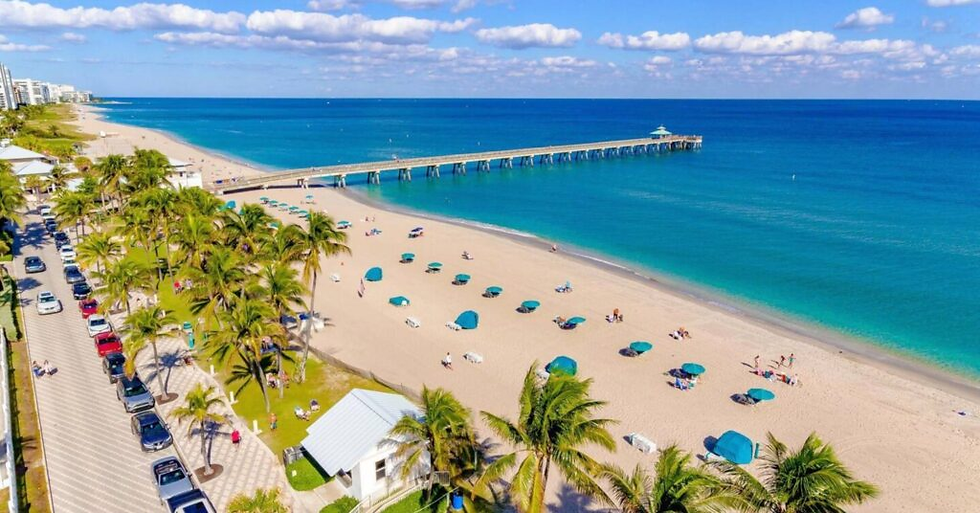
One of Deerfield Beach’s biggest advantages is its balance between affordability and coastal lifestyle. Renters can still enjoy beach access, waterfront dining, marinas, parks, and walkable areas without paying the same premiums found in some nearby upscale cities.
The city also appeals to renters looking for:
A more laid-back atmosphere
Walkable beach neighborhoods
Access to both Broward and Palm Beach County job centers
Easier parking and reduced traffic congestion
A mix of retirees, seasonal residents, and younger professionals
Its location near major highways including Interstate 95 and Florida’s Turnpike also makes commuting more manageable for residents working throughout South Florida.
For many renters, Deerfield Beach represents the “middle-ground” option in the region’s rental landscape. It delivers many of the benefits associated with South Florida coastal living while remaining somewhat more attainable financially than neighboring luxury-heavy markets.
As rental prices continue rising across the state, Deerfield Beach remains appealing to those seeking a balance of beach access, convenience, and relative affordability without moving too far inland.

Palm Coast: More Space for the Money
Among the three Florida rental markets, Palm Coast consistently delivers the most value for renters focused on affordability, space, and newer housing options.
Located in Northeast Florida between Daytona Beach and St. Augustine, Palm Coast has grown steadily over the past decade as more renters and homeowners search for alternatives to Florida’s increasingly expensive coastal metro areas. With lower population density and a larger supply of newer residential developments, renters often find significantly more living space for the same monthly budget.
At approximately $2,000 per month, renters in Palm Coast can often secure housing options that would be difficult to find at the same price point in South Florida markets.
This budget may include:
Newer apartment communities
Spacious two-bedroom units
Townhomes
Small single-family homes
Features such as garages, private yards, or upgraded interiors
Many apartment complexes in Palm Coast are relatively modern compared to older coastal properties in South Florida. Open floor plans, newer appliances, community pools, fitness centers, and parking availability are more common at this price level.
While Palm Coast lacks the high-energy nightlife and dense urban atmosphere found in larger South Florida cities, many renters see that as part of the appeal.
Compared to markets farther south, renters often gain:
More square footage
Lower traffic congestion
Newer housing developments
Family-oriented neighborhoods
A calmer and quieter pace of life
The city’s location also provides access to beaches, golf courses, parks, and outdoor recreation while maintaining a more suburban environment. Residents can reach both Daytona Beach and St. Augustine within a relatively short drive, giving renters access to entertainment and coastal amenities without living directly in a crowded tourist-heavy market.
Palm Coast has become especially attractive for remote workers, retirees, and families prioritizing value over proximity to larger South Florida business hubs such as Miami or Fort Lauderdale. For renters relocating within Florida, the difference in affordability can feel substantial.
In many cases, renters moving from South Florida are surprised by how much additional space and housing quality a $2,000 monthly budget can provide in Palm Coast. As Florida’s population growth continues to reshape rental demand statewide, Palm Coast remains one of the stronger options for renters seeking a balance between affordability, comfort, and lifestyle.
Side-by-Side Rental Comparison
City | What $2,000/Month Typically Gets You | Overall Feel |
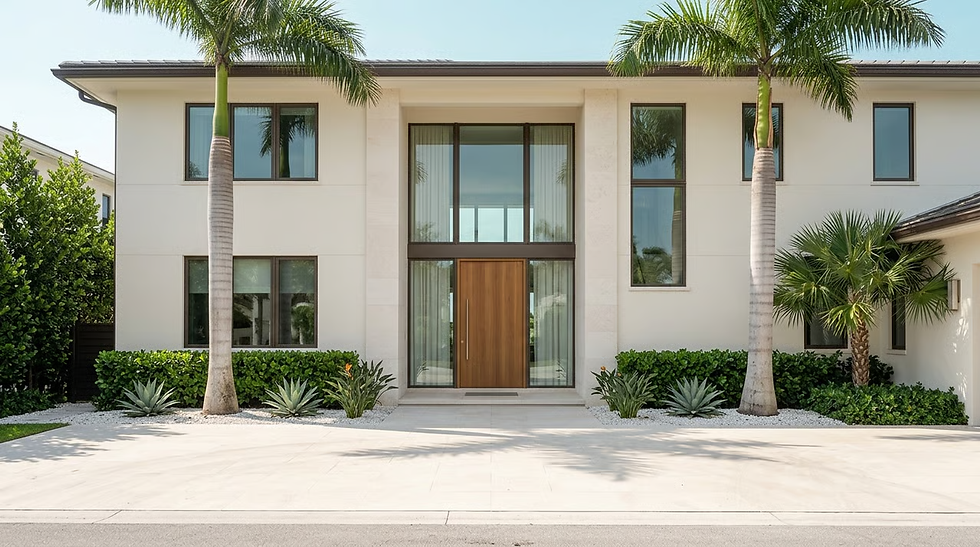
Boca Raton | Smaller 1-bedroom apartment or older condo | Upscale, high-demand coastal city |
Deerfield Beach | Larger 1-bedroom or modest 2-bedroom | Balanced coastal lifestyle |
Palm Coast | Newer 2-bedroom, townhome, or small house | Affordable and spacious coastal living |
Why the Differences Are So Large
Florida’s rental market is often discussed as a single statewide trend, but the reality is far more complex. A $2,000 monthly rental budget can deliver dramatically different results depending on where renters choose to live.
The contrast between Boca Raton, Deerfield Beach, and Palm Coast highlights how local market conditions shape affordability, housing size, and lifestyle options across the state.
Several major factors help explain why these differences are so significant.
Demand Levels: Why Boca Raton and Palm Coast Rent Prices Differ So Much
One of the biggest factors behind the large rental price gap between Boca Raton and Palm Coast is simple: demand.
Boca Raton has long been one of South Florida’s most sought-after residential markets. The city attracts a wide mix of affluent residents, business professionals, retirees, seasonal visitors, and corporate employees looking for a high-end coastal lifestyle. Its reputation for luxury living, strong public and private schools, well-maintained neighborhoods, golf communities, and proximity to major business centers creates constant competition for housing.
Because demand remains consistently strong, landlords in Boca Raton are often able to charge premium rental rates — even for smaller apartments, older condominium buildings, or properties located slightly inland from the beach. Limited inventory in desirable neighborhoods further increases pricing pressure, especially during peak moving seasons and winter months when seasonal residents arrive.
Another major contributor is Boca Raton’s overall image and branding. The city is widely associated with upscale living, waterfront communities, luxury shopping, and a polished suburban environment. That reputation alone helps support higher rent expectations compared to many other Florida cities.
In contrast, Palm Coast experiences far less luxury-driven rental pressure. While the city has grown steadily over the past decade, it remains a smaller and less competitive market overall. Palm Coast offers more available land for development, lower population density, and a housing supply that is less constrained than South Florida coastal markets.
The renter profile is also different. Palm Coast tends to attract families, retirees, and residents looking for affordability, space, and a quieter lifestyle rather than luxury branding or proximity to major financial and corporate centers. As a result, rental demand is more balanced, helping keep prices comparatively moderate.
For renters, this means the same monthly budget can produce dramatically different results depending on location. In Boca Raton, renters may pay premium prices for convenience and prestige, while in Palm Coast they can often secure larger homes, newer properties, or additional amenities for the same cost.
Housing Inventory: How Supply Shapes Rental Prices in Boca Raton, Deerfield Beach, and Palm Coast
Housing inventory is one of the most important factors influencing rental prices across Florida’s coastal markets. The difference in available land, development opportunities, and housing supply helps explain why rents vary so dramatically between Boca Raton, Deerfield Beach, and Palm Coast.
In Palm Coast, housing supply has remained relatively flexible compared to South Florida’s dense coastal cities. The area still has more available land for residential expansion, giving developers greater freedom to build new communities, apartment complexes, townhomes, and single-family housing developments. Because land acquisition costs are generally lower, builders can develop larger projects at more affordable price points.
This broader housing inventory helps reduce some of the upward pressure on rental prices. Renters in Palm Coast often have access to newer construction homes, larger floor plans, and modern amenities without paying the premium pricing commonly seen in more supply-constrained coastal markets.
By contrast, Boca Raton faces a very different reality. Much of the city is already heavily developed, especially near the coast and in highly desirable residential areas. Vacant land is limited, and when properties do become available for redevelopment, acquisition costs are often extremely high.
That scarcity directly impacts rental pricing. With fewer opportunities to significantly expand housing inventory, demand continues to compete for a more limited supply of apartments, condominiums, and homes. The result is higher rents across many segments of the market, including older buildings that might cost substantially less in less constrained cities.
Deerfield Beach sits somewhere between the two markets. The city offers a combination of older housing stock, moderate redevelopment activity, and a somewhat more balanced supply environment than Boca Raton. While Deerfield Beach still benefits from coastal demand and rising popularity, it does not face the same degree of inventory scarcity found in Boca Raton’s luxury-driven market.
This middle-ground position often allows renters in Deerfield Beach to find somewhat more affordable coastal housing options while still enjoying access to beaches, waterfront living, and South Florida amenities.
Ultimately, housing inventory plays a major role in determining rental affordability. Cities with more available land and ongoing development opportunities tend to maintain more moderate pricing, while fully built-out coastal markets with limited expansion potential often experience stronger rent growth and higher long-term housing costs.

Coastal Location Pressure: Why South Florida Beach Cities Demand Higher Rents
One of the strongest forces shaping Florida’s rental market is coastal location pressure. Cities located near beaches, waterfront districts, entertainment centers, and major employment corridors consistently command higher rental prices because demand for those locations remains extremely strong.
In South Florida, Boca Raton and Deerfield Beach both benefit from direct access to the Atlantic coastline and their strategic position within two of Florida’s most economically active regions: Palm Beach County and Broward County.
For many renters, proximity to the beach is only part of the appeal. These cities also offer convenient access to major highways, business districts, shopping centers, restaurants, healthcare facilities, and professional employment opportunities throughout South Florida. Residents can commute to nearby economic hubs while still enjoying a coastal lifestyle, creating strong and sustained demand for housing.
Boca Raton, in particular, has become known for combining luxury coastal living with a strong professional environment. The city attracts executives, business owners, retirees, and seasonal residents who are willing to pay premium prices for location, convenience, and lifestyle. That demand pushes rental prices higher across much of the market, especially near waterfront areas and desirable neighborhoods.
Deerfield Beach also benefits from coastal demand, though typically at a slightly lower price point than Boca Raton. Its beachfront communities, marina access, walkable entertainment areas, and proximity to both Palm Beach and Fort Lauderdale employment centers continue to attract renters seeking a balance between affordability and coastal access.
By comparison, Palm Coast operates on a different scale. Although it is still a coastal city with access to beaches and natural waterfront areas, it remains less urbanized and less densely connected to large metropolitan job centers than South Florida markets.
Palm Coast’s slower pace, lower population density, and greater physical distance from major corporate and financial hubs help reduce some of the intense pricing pressure found farther south. While demand for Florida coastal living still supports the local rental market, competition for housing is generally less aggressive than in Boca Raton or Deerfield Beach.
This difference highlights how location influences housing costs. Coastal access alone does not always determine pricing — proximity to economic activity, infrastructure, entertainment, and population density all combine to shape rental demand and market pressure.
Lifestyle Branding and Reputation: How City Identity Influences Rental Prices
A city’s reputation can have a powerful impact on its housing market. Beyond supply, demand, and location, lifestyle branding often shapes how much renters are willing to pay — especially in Florida’s competitive coastal markets.
Boca Raton is one of the clearest examples of how branding and image can directly influence rental pricing. Over several decades, the city has developed a reputation as one of Florida’s premier affluent coastal communities. Luxury shopping destinations, private golf clubs, upscale restaurants, gated residential neighborhoods, waterfront properties, and high-end commercial developments all contribute to Boca Raton’s polished image.
That reputation creates a strong psychological and lifestyle value for many renters. People are not simply paying for an apartment or home — they are paying for access to the Boca Raton lifestyle itself. For professionals, retirees, seasonal residents, and affluent renters, the city represents prestige, comfort, convenience, and exclusivity. As a result, landlords are often able to command premium rental rates because the Boca Raton name carries perceived value beyond the physical property.
Lifestyle branding also attracts continued investment into the city, further reinforcing its upscale identity. Luxury retail centers, well-maintained public spaces, corporate campuses, and high-end residential projects help maintain Boca Raton’s position as one of South Florida’s most desirable rental markets.
By comparison, Deerfield Beach projects a more casual and relaxed coastal atmosphere. While the city still benefits from beachfront living and South Florida demand, its identity is generally viewed as more laid-back and approachable than Boca Raton’s luxury-focused image. This helps create a rental market that can feel more accessible while still offering many coastal lifestyle advantages.
Meanwhile, Palm Coast has built much of its identity around affordability, outdoor living, and family-friendly space rather than luxury status. The city appeals to residents seeking larger homes, quieter neighborhoods, natural scenery, and a slower pace of life. Instead of competing through exclusivity or upscale branding, Palm Coast attracts renters looking for value, comfort, and long-term livability.
These differences show how perception and branding influence real estate markets. In many cases, renters are paying not only for square footage or location, but also for the image, lifestyle, and social identity associated with a particular city.
Population Density and Competition: How Crowding Impacts Rental Prices
Population density plays a major role in shaping rental affordability across Florida’s housing markets. In areas where more people compete for limited housing, rental prices often rise quickly — especially in desirable coastal communities.
South Florida markets such as Boca Raton and Deerfield Beach experience significantly higher population density and housing competition than many parts of Northeast Florida. These regions are part of larger metropolitan areas with dense residential development, major transportation networks, active business centers, and strong tourism industries.
As population growth continues throughout South Florida, competition for apartments, condominiums, and rental homes remains intense. Desirable neighborhoods located near beaches, downtown districts, restaurants, entertainment areas, and major employment hubs often experience especially strong demand. In many cases, renters compete for a limited number of available properties, allowing landlords to maintain higher pricing.
Higher density also means that land becomes more valuable over time. As cities become more crowded, opportunities for large-scale residential expansion become more limited, further increasing pressure on housing supply and rental costs.
Palm Coast operates under a different market dynamic. The city has a lower population density, more open land, and a slower pace of development than South Florida’s coastal markets. Because the area is less crowded, renters typically face less aggressive competition when searching for housing.
This reduced bidding pressure helps keep rental prices more moderate compared to heavily populated South Florida cities. In many cases, renters in Palm Coast can secure larger homes, newer construction properties, additional outdoor space, or upgraded amenities at monthly prices that would be far more difficult to find in Boca Raton or Deerfield Beach.
Palm Coast’s lower-density environment also appeals to residents seeking a quieter lifestyle, less traffic congestion, and more residential space. That combination of affordability and lower competition continues to attract families, retirees, and remote workers looking for alternatives to Florida’s more crowded coastal markets.
Ultimately, population density has a direct impact on housing affordability. The more competitive and crowded a market becomes, the more pressure it places on rental inventory and pricing. Less dense markets often provide renters with greater flexibility, larger living spaces, and more value for the same monthly budget.
Different Budgets, Different Lifestyles: How Far Your Rent Money Goes Across Florida
Florida’s rental market has become increasingly regional, with dramatic differences in what renters can afford depending on the city they choose. The same monthly housing budget can create entirely different living experiences across the state, especially when comparing markets like Boca Raton, Deerfield Beach, and Palm Coast.
In Boca Raton, a $2,000 monthly budget may secure a compact one-bedroom apartment in an older residential community or a smaller condominium farther from prime waterfront areas. The city’s strong demand, luxury reputation, limited inventory, and highly competitive coastal market continue to push rental prices upward. Renters often pay a premium for location, prestige, and access to the Boca Raton lifestyle, even when living space is relatively modest.
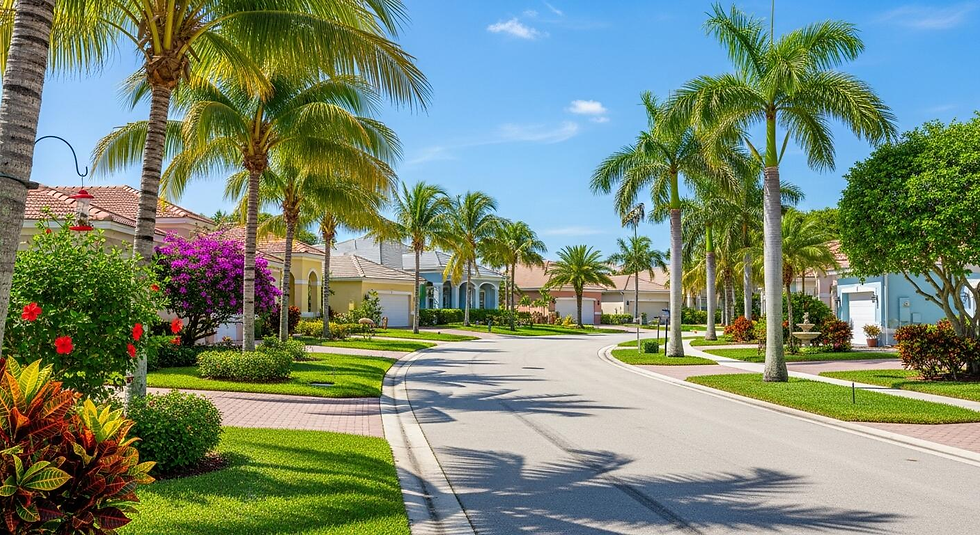
By comparison, Deerfield Beach often provides renters with more flexibility at a similar price point. Depending on location and property type, renters may find larger apartments, updated condominiums, or properties closer to the beach while still remaining within budget. Deerfield Beach offers many of the same South Florida coastal advantages — including beach access, boating, restaurants, and walkability — but typically with slightly less pricing pressure than Boca Raton.
Meanwhile, Palm Coast presents an entirely different affordability equation. With lower population density, greater housing inventory, and reduced competition, renters may find newer two-bedroom apartments, townhomes, or even small single-family homes within the same monthly budget. Features such as garages, private yards, larger floor plans, and newer construction are often more attainable in Palm Coast than in heavily developed South Florida markets.
These differences highlight how Florida’s housing market is no longer driven solely by statewide trends. Local conditions now play an equally important role in determining affordability. Factors such as demand, housing supply, coastal location pressure, lifestyle branding, population density, and regional economic growth all shape what renters receive for their money.
For people considering relocation within Florida, understanding these market differences has become increasingly important. Choosing where to live is no longer simply about finding the lowest rent — it is also about balancing lifestyle preferences, commute patterns, space needs, amenities, and long-term affordability.
Some renters prioritize luxury coastal living and access to major business centers, while others value larger homes, quieter neighborhoods, and lower monthly housing costs. Florida’s diverse rental landscape allows for both options, but the value attached to each budget can vary dramatically depending on the city.
Which Market Fits Best?
Choosing the right Florida rental market often comes down to priorities rather than price alone. While monthly rent is an important factor, lifestyle preferences, commute needs, housing size, and overall atmosphere can dramatically change which city offers the best fit for a renter’s situation.
For many people, Boca Raton remains one of the most desirable rental markets in the state despite its higher costs. Renters who prioritize prestige, highly rated schools, luxury amenities, professional networking opportunities, and convenient access to South Florida business centers are often willing to accept smaller living spaces in exchange for the Boca Raton lifestyle. The city’s upscale reputation, coastal location, and polished residential environment continue to attract professionals, retirees, and affluent renters seeking a premium living experience.
Others find Deerfield Beach offers the best balance between affordability and coastal living. The city provides beach access, waterfront recreation, restaurants, walkable areas, and proximity to both Broward and Palm Beach County employment centers, often at somewhat lower rental prices than nearby luxury markets. For renters seeking South Florida coastal convenience without paying top-tier Boca Raton pricing, Deerfield Beach is frequently viewed as a practical middle ground.
Meanwhile, Palm Coast continues attracting renters focused on space, affordability, and a quieter pace of life. Lower population density, newer residential development, and greater housing inventory often allow renters to secure larger homes, additional outdoor space, garages, or upgraded amenities for the same monthly budget. Families, retirees, and remote workers frequently view Palm Coast as one of the stronger overall value markets for renters seeking long-term affordability without completely sacrificing coastal access.
These differences demonstrate how Florida’s rental landscape has become increasingly localized. A renter’s experience can vary dramatically depending on whether they prioritize luxury branding, beach proximity, commuting convenience, living space, or monthly affordability.
As Florida’s housing market continues evolving in 2026, understanding these regional differences has become more important than ever. Renters are no longer simply comparing prices — they are comparing lifestyles, long-term value, quality of life, and the type of environment that best matches their personal goals and financial comfort level.
Ultimately, the “best” market is not the same for everyone. The right choice depends on what matters most to each renter and how they choose to balance budget with lifestyle expectations.


Comments