Before You Rent Your First Home in Florida: 7 Things People Learn the Hard Way
- Maria V.
- Dec 9, 2025
- 7 min read
Renting your first home in Florida is exciting—sunshine, beaches, palm trees, and warm weather year-round. But beneath the beauty, there are practical realities that many first-time renters don’t discover until they’ve already signed the lease. Whether you’re relocating from out of state or moving within Florida, understanding these common challenges can help you avoid costly mistakes and make a smarter housing decision.
Here are 7 things people often learn the hard way when renting in the Sunshine State.

1. The Weather Isn’t Just “Nice”—It’s Intense
Florida’s sunshine may be part of its charm, but newcomers quickly learn that the weather isn’t simply warm—it’s extreme. For much of the year, Florida experiences high heat, high humidity, and long stretches of 90°F+ temperatures. These conditions don’t just affect your comfort—they directly impact your housing costs and the condition of the home you’re planning to rent.
One of the biggest surprises for first-time renters is how dramatically the weather can influence utility bills. If a rental home isn’t properly insulated, the HVAC system has to work much harder to keep indoor temperatures stable. As a result, electric bills can rise sharply in the summer, especially during peak heat months. Homes with older AC units are even more vulnerable—these systems cool less efficiently, use more electricity, and are more likely to break down when they’re needed most.
This makes air conditioning one of the most important features to evaluate before you sign any lease in Florida. A modern, energy-efficient HVAC system not only keeps you comfortable but can also save you hundreds of dollars per year in electricity costs.

Before you sign the lease, make sure to ask:
How old is the AC unit? (Most units last 10–15 years in Florida’s climate.)
When was it last serviced? Regular maintenance is essential in high-humidity environments.
What are the average monthly utility bills for the home? This gives you a realistic expectation before you move in.
Understanding these factors helps you avoid unpleasant surprises and ensures the home can handle Florida’s climate year-round—without overwhelming your budget.

2. Mold and Moisture Problems Are More Common Than You Think
Florida’s tropical climate comes with year-round humidity, frequent rain, and warm temperatures—conditions that create the perfect environment for mold growth. While many people associate mold with neglected properties, the reality is that even well-maintained Florida homes can develop moisture problems if ventilation is poor or if small leaks go unnoticed.
Older homes, ground-floor units, and properties located near lakes, canals, or the coastline are especially at risk. Many first-time renters don’t realize the issue until after moving in, when they begin to notice a persistent musty smell, dark patches on walls or ceilings, or condensation forming around windows. In humid climates, mold can spread quickly and become both a health concern and a costly problem to address.
Because mold issues often start subtly, it’s important to be proactive during your walk-through. Don’t just glance around—look closely at the areas where moisture most commonly collects.
Before signing, check for signs of moisture or mold in:
Bathrooms, especially around shower tiles and ventilation fans
Closets, which can trap humidity
Under sinks, where slow leaks may go unnoticed
Window frames, a common place for condensation buildup
Corners of rooms, where dampness can accumulate
Taking these extra steps can prevent you from ending up in a home with hidden moisture problems—and help you avoid disputes, repair delays, or health issues later on.
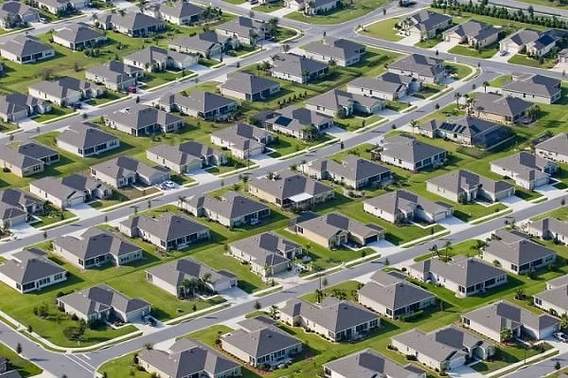
3. Not All Neighborhoods Look the Same Year-Round
Florida’s neighborhoods can feel completely different depending on the time of day or the season. A community that seems peaceful on a weekday afternoon may transform into a busy, noisy environment during evenings, weekends, or peak tourist months. This is especially true in coastal cities, entertainment districts, and areas close to beaches, downtown strips, or short-term vacation rentals.
Many first-time renters only tour a neighborhood once—usually during the day—when everything appears calm and pleasant. But once they move in, they may discover nighttime crowds, loud bars, seasonal visitors, traffic congestion, or parking issues they never expected. Tourist-heavy areas can become especially lively during holidays and winter months when “snowbirds” and vacationers arrive, significantly increasing noise and activity.
Because Florida’s communities shift with the seasons, taking time to observe the neighborhood at different moments helps you understand what daily life will really feel like.
Before signing, make sure to:
Visit during the evening to assess noise levels and safety.
Check the area on weekends, when traffic and activity often peak.
Observe parking availability, especially in popular or high-density areas.
Notice nearby businesses—bars, restaurants, and event venues may be louder than expected.
Seeing the neighborhood from different angles helps you choose a home that matches your lifestyle and avoids surprises that only become visible once you’ve moved in.

4. Rental Prices Can Rise Fast After the First Year
Florida attracts newcomers with the promise of sunshine, beaches, and—at first glance—affordable living. But many renters quickly discover that the real challenge comes after their first year. It’s increasingly common for rental prices to rise sharply when a lease renews, especially in fast-growing cities and desirable coastal areas.
Some renters experience increases of several hundred dollars per month, catching them off guard and forcing them to relocate sooner than expected. Florida’s rapid population growth, high demand for housing, and limited availability in certain regions contribute to these sudden jumps. Even stable neighborhoods can see fluctuations depending on local development, seasonal demand, or shifts in the broader market.
This makes it important for renters to look beyond the first-year price and think ahead. Understanding the landlord’s renewal patterns and the neighborhood’s rental trends can help you avoid surprises and budget more effectively for the future.
Before signing, make sure to:
Ask the landlord or property manager about past rent increases for previous tenants.
Review market data for the neighborhood to see if prices have been rising consistently.
Check online rental trends to understand what similar homes are renting for today versus a year ago.
Clarify whether renewal terms or caps exist, especially in professionally managed communities.
Being proactive helps ensure you’re not caught off guard—and allows you to choose a rental where your long-term budget feels stable, not stretched.

5. Pest Issues (Especially Ants and Roaches) Are a Normal Part of Life
Florida’s warm, humid climate doesn’t only attract tourists—it attracts pests too. Even well-maintained and spotless homes can experience visits from ants, palmetto bugs, roaches, and other insects that thrive in tropical environments. For many first-time renters, this can be surprising or even alarming, especially if they’re not used to living in a place where pests are simply a part of daily life.
In Florida, insects are active year-round, and once they find food or moisture, they can quickly become a problem. Homes near water, ground-floor units, older buildings, and areas with lush landscaping tend to see more activity. Regular pest control is usually enough to keep infestations under control, but not all landlords include this service in the rent.
If pest management isn’t covered, renters may find themselves paying for monthly treatments or DIY solutions just to maintain a comfortable living environment. Knowing what to expect can prevent frustration—and help you avoid unexpected costs.
Before signing, make sure to:
Ask whether routine pest control is included in the rent or requires an additional fee.
Find out how often treatments are scheduled, especially in high-risk areas.
Check for any signs of pests during your walk-through, such as droppings, dead insects, or ant trails.
Being proactive and clarifying these details upfront helps ensure your rental stays clean, comfortable, and pest-free throughout your lease.

6. Parking and HOA Rules Can Affect Daily Life
A large number of Florida rentals—especially townhomes, condos, and villa-style communities—fall under the management of a homeowners association (HOA). While HOAs help keep neighborhoods clean and well-maintained, they also come with rules that can significantly affect your daily routine as a renter. Many newcomers don’t realize how strict or detailed these guidelines can be until they receive a warning—or worse, a fine.
Parking is one of the most common challenges. Some communities have limited guest parking, designated towing zones, or strict rules about where residents can park overnight. If you have multiple vehicles, frequent visitors, or rely on street parking, these restrictions can quickly become inconvenient.
Beyond parking, HOAs often regulate many aspects of how you can use and maintain your home. This may include policies about pets, outdoor grills, patio furniture, holiday decorations, noise levels, and even the appearance of your front porch or balcony. Failure to follow these rules can lead to fines, and in some cases, renters are responsible for those costs—not the landlord.
Understanding the HOA’s expectations upfront can save you from confusion, conflict, and unnecessary expenses later on.
Before signing, make sure to:
Ask for the HOA rules or a summarized version from the landlord or property manager.
Pay attention to parking limitations, especially guest spaces and towing policies.
Check pet, noise, and exterior-use rules if they apply to your lifestyle.
Clarify who pays HOA fines in the event of a violation.
A few minutes reviewing HOA guidelines can prevent major frustrations and ensure the community’s rules align with your daily needs.

7. Insurance and Deposits Add Up Quickly
For many first-time renters in Florida, the real sticker shock doesn’t come from the monthly rent—it comes from the upfront costs required before you can even move in. Unlike some states where deposits are minimal, Florida landlords and property management companies often require several different payments, all due at the same time. These can quickly add up to hundreds or even thousands of dollars.
The most common expenses include security deposits, cleaning fees, application fees, and—if you have pets—additional pet deposits or monthly pet rent. Many landlords also require renters to carry renter’s insurance, especially in hurricane-prone areas where the risk of property damage is higher. Even if each fee seems small, they accumulate fast, and many renters underestimate the full financial commitment.
Because every landlord structures costs differently, it’s important to get everything in writing before you sign anything. Some fees are refundable, some are not, and others depend on property condition when you move out. Clarity now means fewer surprises later.
Before signing, make sure to ask for a full breakdown of move-in costs, including:
Security deposit (and whether it’s refundable)
Pet deposit, pet rent, or breed restrictions
Cleaning fees or administrative charges
Renter’s insurance requirements and recommended coverage amounts
Application fees for each adult applicant
First and last month’s rent if required upfront
Understanding the total cost of moving in helps you plan your budget realistically—and ensures you’re not blindsided right before move-in day.
Florida is a wonderful place to live, but first-time renters often overlook factors that can significantly affect comfort and cost. By knowing what to look for—AC condition, neighborhood behavior, HOA rules, pest control, and more—you can make a smarter decision and enjoy your Florida lifestyle instead of dealing with stressful surprises.
Source:
Before You Rent Your First Home in Florida: 7 Things People Learn the Hard Way
Florida Rental Living Guide – Sunshine State Housing Insights
https://www.hvac.com/expert-advice/how-long-do-air-conditioners-last-in-florida/
https://libertyplus.libertymutual.com/article/7-ways-to-help-prevent-mold-in-your-home
https://www.rblegacypm.com/blog/do-i-need-property-management-for-a-multifamily-rental-property
https://www.fsresidential.com/corporate/news-and-articles/articles/6-hoa-parking-rules/


Comments