How Much Does It Really Cost to Rent a House in Boca Raton, Deerfield Beach, or Palm Coast in 2026?
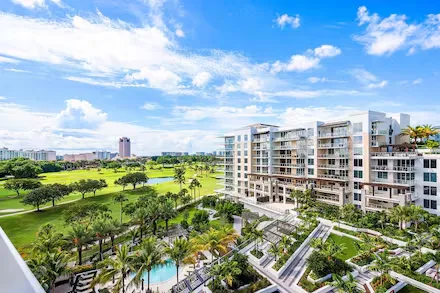
An in-depth look at the rental market in three Florida coastal cities
Renting a house in Florida in 2026 varies widely depending on location, home size, neighborhood amenities, and market demand. South and Northeast Florida continue to attract renters for their climate, beaches, jobs, and lifestyle — but prices reflect that appeal. Below, we break down the latest rental cost trends for Boca Raton, Deerfield Beach, and Palm Coast based on recent real-estate data and market reports.
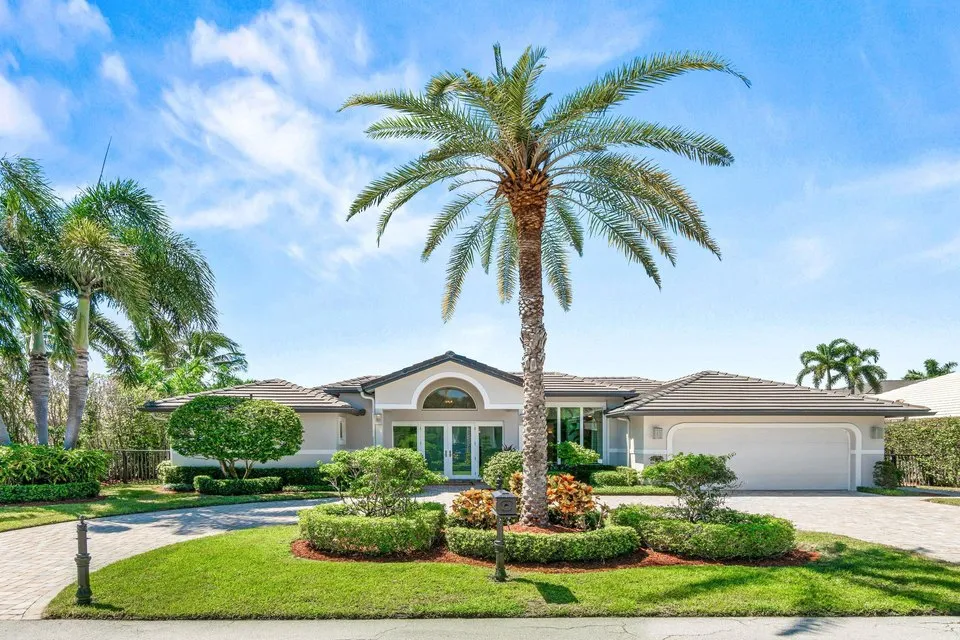
Boca Raton: Premium Coastal Living
Boca Raton — located in Palm Beach County on Florida’s southeastern coastline — continues to set the standard for premium coastal living, blending upscale lifestyle amenities with scenic beaches, vibrant cultural districts, and strong economic growth. One defining feature of life in Boca Raton is its rental market, which consistently ranks among the most expensive in the state and well above national benchmarks.
As of late 2025, Boca Raton remains one of Florida’s most competitive and high-cost rental markets. According to recent data from Zillow, the average rent for all property types (including single-family homes, condos, and apartments) stands at around $3,000 per month. This figure reflects the area’s ongoing appeal for professionals, retirees, and families seeking a high quality of life by the coast.
Despite slight month-to-month adjustments and some cooling compared with peak post-pandemic levels, Boca’s rental prices remain elevated relative to national and state averages. Zillow classifies the market as “warm,” with rents approximately 50–58% higher than the national average, demonstrating both the city’s desirability and the strong demand for housing in this part of South Florida.
What makes Boca Raton especially unique is the range of rental options. While the median rent figure is around $3,000 per month, individual properties can vary widely in price — from more affordable studios and smaller units to luxury homes and waterfront estates fetching much higher rents. This diversity reflects Boca’s mix of demographics, from young professionals and seasonal residents to affluent long-term renters.
The rental market also mirrors broader trends in South Florida’s housing landscape. Continued interest from out-of-state relocators, retirees drawn to the region’s warm climate and low taxes, and professionals relocating for work contribute to sustained demand. Although construction of new rental units is underway, supply has not grown fast enough to significantly lower rental costs, keeping Boca Raton near the top of Florida’s rental price rankings.
In summary, Boca Raton’s combination of coastal beauty, cultural amenities, and economic opportunity makes it one of Florida’s premier — and most expensive — rental markets, with average rents holding around the $3,000 mark as of late 2025.
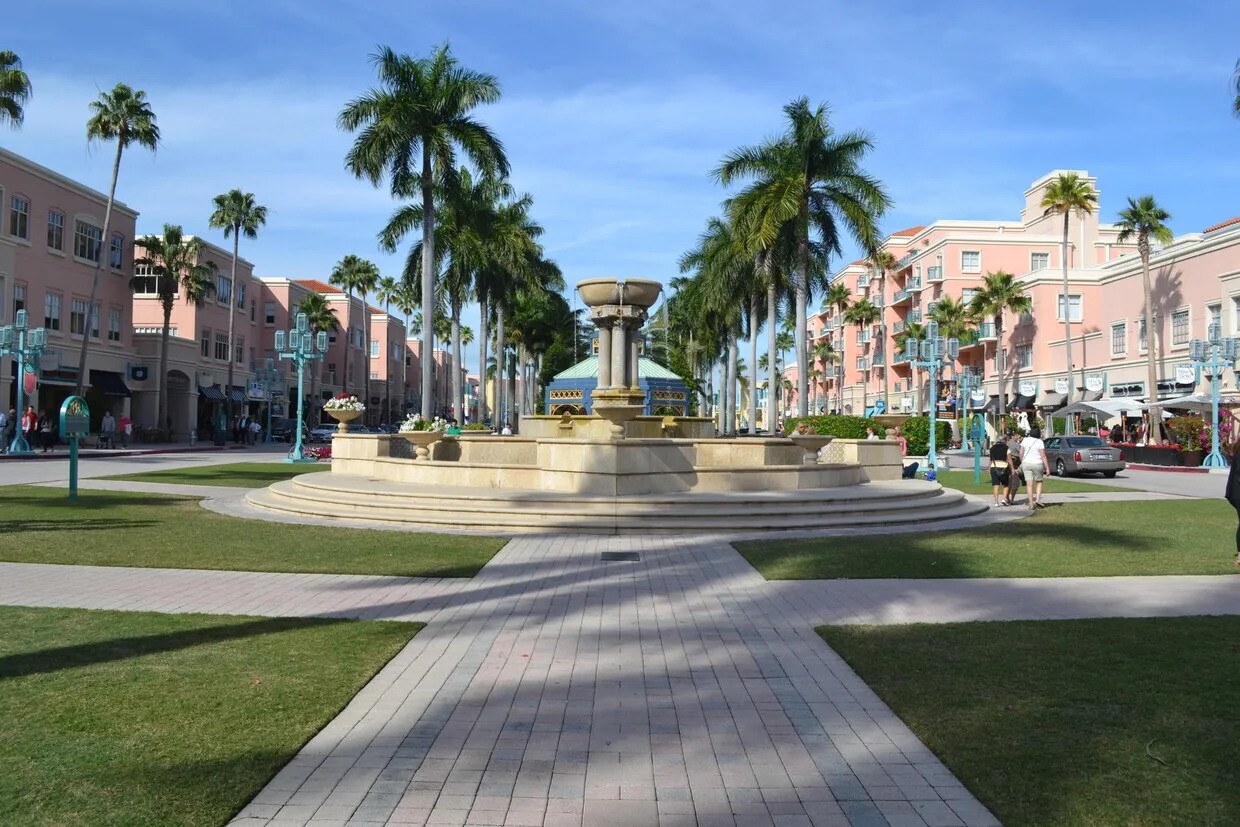
Rental Listings by ZIP: Boca Raton’s Neighborhood-Level Rent Snapshot
Rental listings across Boca Raton’s ZIP codes show a tight cluster of asking rents, with many neighborhoods reporting average rents roughly between $2,847 and $2,972. This range reflects how rental demand and pricing are consistent across much of the city — from inland neighborhoods to areas closer to the coast — even as individual unit types and amenity levels create variation at the property level.
Why ZIP-level averages matter: landlords, renters, and agents often look at ZIP-code statistics because they capture local supply/demand dynamics better than a single citywide number. In Boca Raton, ZIP-level rents tend to track closely with the city median—Redfin’s recent market overview lists the median rent near $2,947, which sits squarely inside the $2,847–$2,972 band reported in area listings. That alignment indicates the ZIP-level averages are a reliable reflection of market reality for most renters.
What’s behind the similarity across ZIPs? Several factors keep rents within a narrow band across neighborhoods:
Homogenous demand: Boca’s mix of professionals, retirees, and seasonal residents creates steady demand across multiple neighborhoods rather than concentrating it in a single pocket.
Comparable stock: Many ZIPs contain a mix of mid-range apartment communities and single-family rental homes; while luxury waterfront properties push the top end up, the bulk of listings fall into mid-to-upper-mid price tiers.
Limited short-term supply shifts: New construction has been active but hasn’t dramatically expanded supply enough to produce large price dispersion between neighboring ZIPs.
What renters should take away: if you’re apartment- or house-hunting in Boca Raton, expect many neighborhoods to advertise similar average asking rents in the high-$2,000s. To find savings, focus on micro-differences such as unit size, building age, included utilities, lease length, and distance to major corridors or transit — these details often move final negotiated rent more than the ZIP-level headline number.
Boca Raton Rentals: Wide Price Range Reflects Diverse Housing Stock
Boca Raton’s rental market stands out not only for its overall high pricing but also for its remarkably wide range of rental options. Monthly rents can start near $1,500 for more modest units and climb well beyond $4,000 for luxury homes, particularly in upscale neighborhoods, beachfront areas, or gated communities. This broad spectrum reflects the city’s diverse housing stock, which spans compact apartments and smaller single-family homes to expansive estates designed for premium coastal living.
Why the Price Range Is So Broad
According to recent data from Zillow, Boca Raton rentals cover an unusually wide price range. While a significant share of listings clusters in the mid-$2,000s to low-$4,000s, lower-tier options can still be found from roughly $600 to $1,500 for smaller or more basic units. At the high end, luxury properties frequently exceed $5,000 per month, especially for large homes with premium finishes, waterfront access, or private community amenities.
This pricing spread is largely driven by the variety of housing types and locations throughout the city:
More Affordable OptionsSmaller apartments and condos with basic amenities often list in the $1,200–$1,500 per month range, providing entry points for singles, young professionals, and budget-focused renters.
Mid-Range HomesThe core of Boca Raton’s rental market consists of standard single-family houses, townhomes, and mid-size apartments priced between $2,000 and $4,000 per month. These properties make up the majority of long-term rental listings and appeal to families and established professionals.
Luxury RentalsBoca Raton also offers a strong supply of high-end rentals, including waterfront residences and homes in exclusive gated communities. These properties commonly list above $4,000 per month, with top-tier estates commanding significantly higher rents.
What This Means for Renters
The wide variation in rental pricing highlights Boca Raton’s appeal to a broad demographic of renters. Whether someone is seeking a modest apartment close to daily conveniences or a luxury home with ocean or golf-course views, the market provides options — though most come at prices above the national average.
At the same time, renters should be aware that while lower-priced listings do exist, the market overall skews toward higher rents, particularly for single-family homes and properties with premium features. This trend reflects Boca Raton’s reputation as a desirable coastal city with strong demand, limited land availability, and a consistently high quality of life.
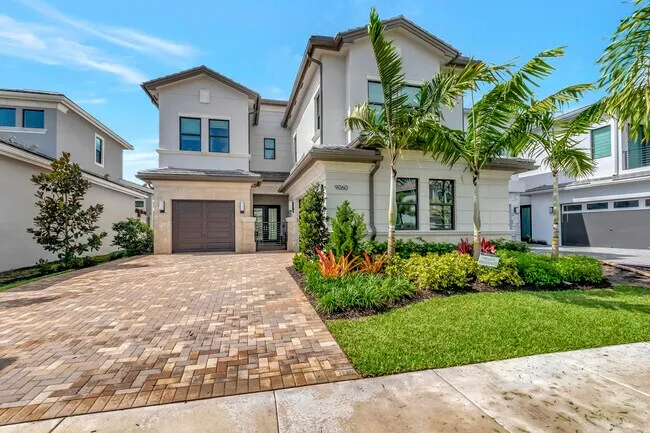
Typical Rental Price Range Estimate for 2026: Boca Raton Houses
As Boca Raton continues to rank among South Florida’s most desirable coastal cities, rental prices for single-family houses are expected to remain elevated in 2026. Market data and recent trends suggest that renters should plan for a typical monthly house rental range of approximately $2,800 to $4,000+, with higher prices tied to location, size, and property features.
What Renters Can Expect in 2026
Based on current listings and historical pricing patterns, most standard single-family homes in Boca Raton fall within the upper-$2,000s to mid-$3,000s per month. These homes are often located in well-established residential neighborhoods, offering practical layouts, outdoor space, and proximity to schools, shopping, and major roadways.
However, rental prices climb quickly for properties that offer premium advantages, including:
Prime locations near the beach, Intracoastal Waterway, or downtown Boca Raton
Larger floor plans, additional bedrooms, or dedicated home-office space
Upgraded interiors, modern renovations, pools, or private yards
Gated or luxury communities with added security and amenities
Homes that meet these criteria frequently exceed $4,000 per month, and luxury or waterfront rentals can push well beyond that threshold.
Why Prices Are Holding Firm
Zillow rental data shows that Boca Raton’s housing market has stabilized compared to earlier volatility, but demand continues to outpace supply, particularly for single-family rentals. Limited land availability, steady in-migration to South Florida, and the city’s strong lifestyle appeal help keep rents from declining significantly.
As a result, while dramatic price spikes are unlikely, meaningful price drops are also not expected. For 2026, the market outlook points to consistent pricing within the $2,800–$4,000+ range, especially for well-maintained homes.
Key Takeaway for Renters
Renters planning to lease a house in Boca Raton in 2026 should budget toward the upper end of Florida’s rental spectrum. While value opportunities exist, especially inland or in older neighborhoods, most houses will command rents well above the state average — a trade-off many renters accept in exchange for Boca Raton’s coastal setting, amenities, and quality of life.
Why It’s Expensive: The Cost of Renting in Boca Raton
Boca Raton consistently ranks as one of Florida’s more expensive places to live, and its rental market reflects that status. Several structural and lifestyle factors combine to push housing costs higher than in many other parts of the state, making the city a premium choice rather than a budget-friendly one.
Coastal Location Drives Demand
One of the biggest contributors to Boca Raton’s high rents is its prime coastal location. Proximity to the Atlantic Ocean, beaches, marinas, and waterfront parks significantly increases property values. Coastal land is limited, and strict zoning regulations further constrain new development, keeping rental supply tight while demand remains strong.
Highly Rated Schools and Community Appeal
Boca Raton is also known for its well-regarded public and private schools, which attract families willing to pay more for access to strong education options. This family-driven demand raises competition for single-family homes and larger rentals, particularly in neighborhoods zoned for top-performing schools.
Lifestyle Amenities and City Planning
Beyond location and schools, Boca Raton offers a lifestyle that sets it apart from many Florida cities. Residents benefit from:
Well-maintained infrastructure and public spaces
Upscale shopping and dining districts
Cultural venues, golf courses, and parks
A reputation for safety and cleanliness
These amenities add tangible value to living in the city and are reflected in higher rental prices.
How Boca Raton Compares Nationally
According to Zillow, rents in Boca Raton tend to run approximately 40–50% higher than the national average. This gap highlights how Boca’s combination of coastal access, quality-of-life features, and sustained demand places it in a different pricing tier than most U.S. rental markets — and even above many other Florida cities.
Boca Raton’s rental costs are high not because of short-term market pressure, but due to long-term desirability and limited supply. For renters, higher monthly payments often come with trade-offs: better schools, a coastal environment, and a polished, amenity-rich lifestyle. Those priorities explain why many renters continue to choose Boca Raton despite the premium pricing.
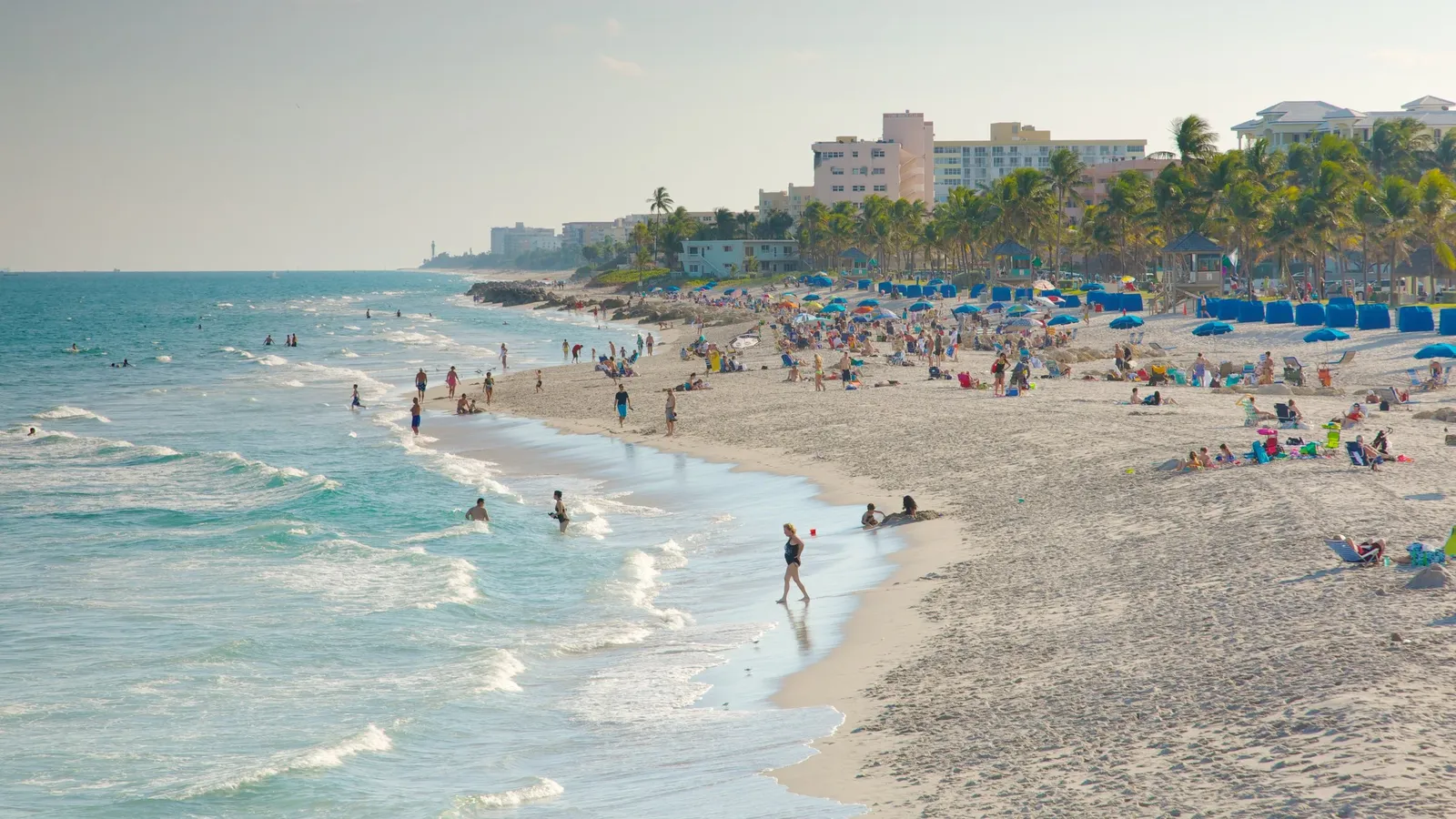
Deerfield Beach: More Moderate but Still Competitive
Located in Broward County just south of Boca Raton, Deerfield Beach offers renters a slightly more accessible price point while still delivering many of the coastal and lifestyle benefits that define South Florida living. The city has become an attractive alternative for renters who want proximity to the beach, walkable neighborhoods, and convenient transit access — without paying Boca Raton–level premiums.
A More Balanced Rental Market
According to Zillow, the average rent in Deerfield Beach is around $2,400 per month for all property types, including apartments, condos, and single-family homes. This places Deerfield Beach noticeably below Boca Raton’s average rent, while still remaining competitive compared to national and statewide averages.
The lower average does not mean a lack of demand. Instead, it reflects a broader mix of housing options, including older apartment communities, smaller single-family homes, and condos that help keep overall pricing more moderate.
Why Deerfield Beach Costs Less Than Boca Raton
Several factors contribute to Deerfield Beach’s comparatively lower rents:
More varied housing stock, including mid-century homes and established apartment complexes
Fewer luxury gated communities than Boca Raton
Slightly less brand-driven prestige, despite similar coastal access
Strong but less concentrated demand from high-income households
Even so, rents remain elevated in desirable pockets, particularly near Deerfield Beach Island, The Cove, and walkable downtown areas.
Still Competitive for Renters
While Deerfield Beach is more affordable, it is far from inexpensive. Properties close to the beach, renovated units, and larger single-family homes can still push rents well above the city average. Competition remains strong, especially for well-priced listings in prime locations.
For renters, this means Deerfield Beach often represents a value-driven compromise: access to beaches, dining, and major roadways like I-95 and US-1, paired with rents that are typically a few hundred dollars less per month than comparable properties in Boca Raton.
Deerfield Beach strikes a balance between coastal lifestyle and relative affordability. With average rents around $2,400 per month, it appeals to renters seeking South Florida living without the full premium pricing of neighboring Boca Raton — making it one of the more compelling rental markets in northern Broward County.
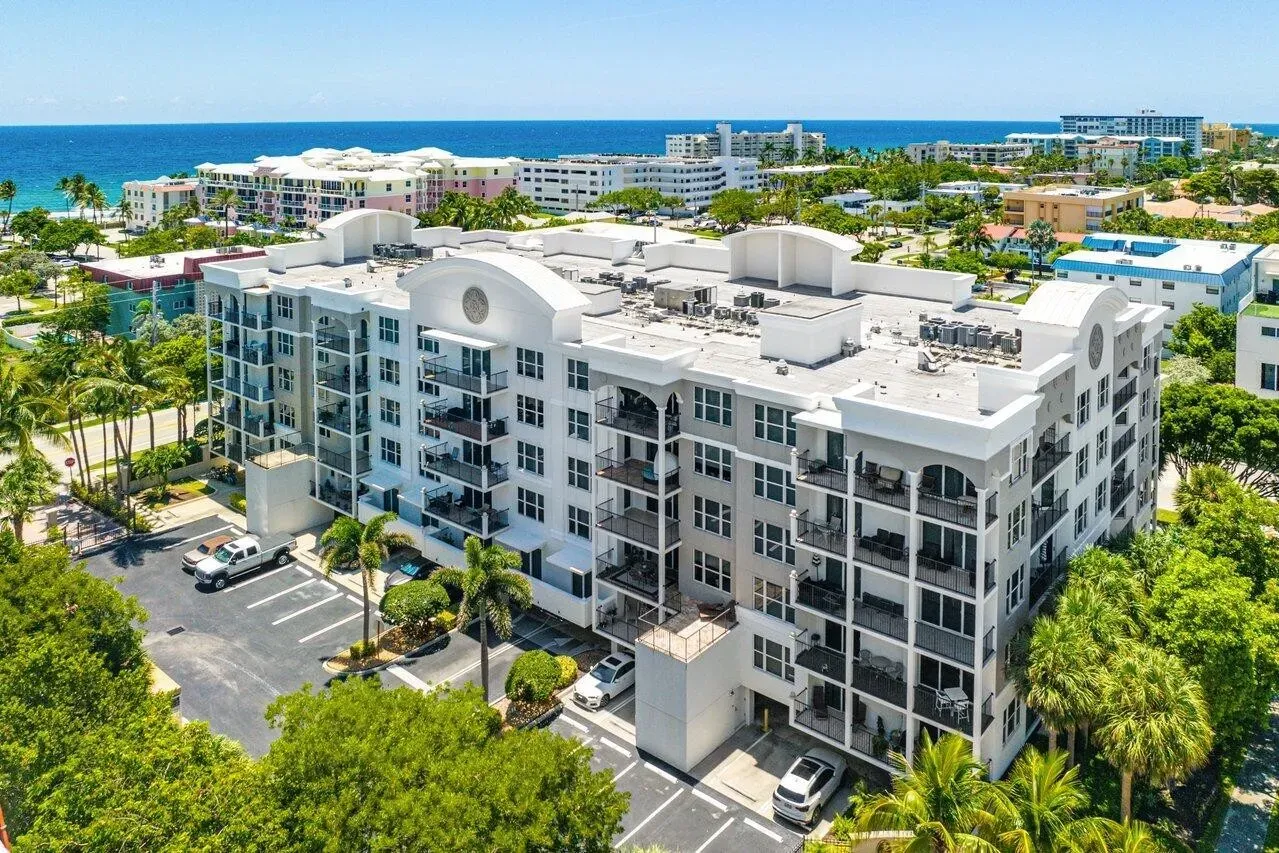
Independent Data Confirms Deerfield Beach Rental Pricing
Beyond Zillow, other rental market trackers reinforce the picture of Deerfield Beach as a more moderate — yet still competitive — rental market in South Florida. Platforms that aggregate active listings and signed lease data help validate whether average rent figures align across sources, and in Deerfield Beach, they largely do.
According to Zumper, the median rental price in Deerfield Beach is approximately $2,395 per month as of December 2025. This figure closely mirrors Zillow’s reported averages and supports the view that rents in the city generally sit in the mid-$2,000 range, depending on property type, size, and location.
Why Median Rent Matters
Median rent provides a useful snapshot because it reduces the impact of extreme listings — such as luxury beachfront homes or unusually low-priced units. Zumper’s median estimate suggests that most renters in Deerfield Beach are signing leases just under $2,400 per month, reinforcing the city’s position as more affordable than nearby Boca Raton, while still well above national averages.
What This Confirms About the Market
The consistency between Zillow and Zumper data highlights several key points:
Pricing stability: Deerfield Beach rents are not driven by outliers but by broad market demand
Competitive but accessible: The city offers coastal access and walkable areas without Boca-level pricing
Strong renter demand: Median pricing indicates steady absorption of listings at current rent levels
For renters, this alignment across platforms increases confidence that asking rents reflect real market conditions — not inflated or outdated figures.
Takeaway for Renters and Investors
With multiple data sources pointing to a median rent near $2,395, Deerfield Beach continues to position itself as a value-oriented alternative within South Florida’s coastal rental markets. While competition remains strong for well-located properties, renters can often secure better pricing here than in neighboring premium cities without sacrificing lifestyle appeal.
Rental Price Variation by Housing Type and Neighborhood
Rental prices are not uniform across a city — they shift noticeably based on housing type, size, and location. Market data consistently shows that smaller houses and apartments tend to rent for less, while larger single-family homes and beachfront or waterfront properties command significantly higher prices. This pattern is especially evident in coastal South Florida markets.
According to RentCafe, local neighborhood averages often center around $2,000–$2,500 per month, reflecting the middle of the market where most typical renters are active. These averages usually represent standard apartments, condos, and modest single-family homes located away from premium waterfront zones.
How Housing Type Influences Rent
Apartments and Smaller HomesStudios, one-bedroom apartments, and smaller houses generally sit at the lower end of the rent spectrum. These units appeal to singles, couples, and budget-conscious renters and often anchor neighborhood averages closer to the $2,000 range.
Standard Single-Family HomesMid-size single-family homes with two to three bedrooms typically push rents toward the upper end of the $2,000–$2,500 range, especially in well-maintained neighborhoods with good access to schools and amenities.
Larger or Beachfront PropertiesHomes with larger floor plans, private yards, pools, or proximity to the beach consistently rent for well above neighborhood averages. These properties skew overall market highs but do not represent the typical renter experience.
Why Neighborhood Averages Matter
Neighborhood-level averages help renters understand realistic expectations, filtering out luxury outliers while still reflecting local demand. RentCafe’s data shows that while premium listings raise the ceiling, most renters transact near the $2,000–$2,500 range, depending on unit size and location.
Key Takeaway
Rental price variation is a defining feature of the market. Smaller units and inland properties offer more accessible entry points, while space, location, and lifestyle features quickly raise monthly costs. Understanding housing type and neighborhood context is essential for setting an accurate rental budget.
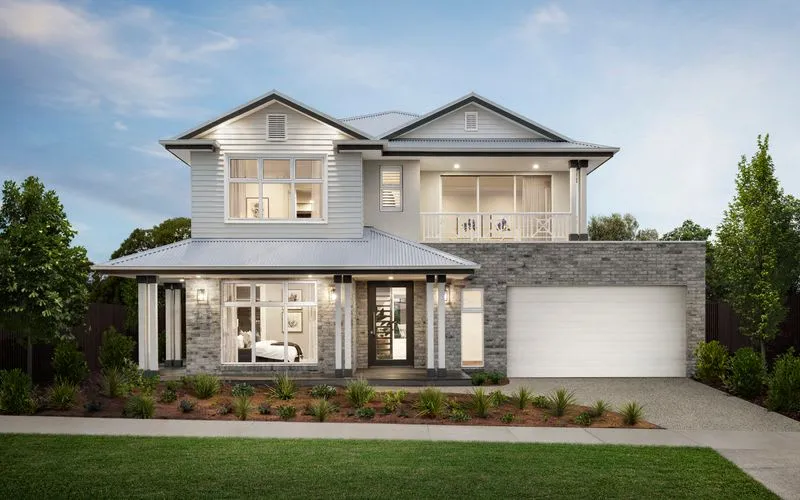
Typical Rental Price Range Estimate for 2026: Standard Houses
As the South Florida rental market moves into 2026, standard single-family house rents are expected to remain firm, reflecting steady demand and limited supply. Based on recent market trends and listing data, a typical rental price range of $2,200–$3,000 per month is a realistic expectation for standard houses, with higher pricing for larger homes or properties in more desirable locations.
What Defines a “Standard” House Rental
Homes in this range are typically:
Two- to three-bedroom single-family houses
Located in established, non-waterfront neighborhoods
Moderately updated or well maintained, but not luxury-level
Close to schools, shopping, and major commuting routes
These properties make up the core of the rental market, attracting families, professionals, and long-term renters seeking space and privacy without premium pricing.
Why Prices Vary Within the Range
While many listings cluster in the mid-$2,000s, several factors can push rents toward the upper end or beyond:
Larger floor plans or extra bedrooms
Newer renovations or upgraded interiors
Desirable neighborhoods with strong school zones
Proximity to the beach, downtown areas, or major amenities
Homes that offer these advantages frequently exceed $3,000 per month, even if they are not classified as luxury properties.
Market Outlook for 2026
Rental platforms and market trackers indicate that while dramatic rent growth has slowed, prices are not expected to decline meaningfully. Continued population growth, lifestyle-driven demand, and constrained housing supply support steady pricing. As a result, the $2,200–$3,000 range is likely to represent the most common pricing band for standard houses throughout 2026.
What Renters Should Plan For
Renters targeting single-family homes should budget toward the upper half of this range, especially if flexibility on location or size is limited. Value opportunities still exist, but well-priced homes continue to move quickly in competitive neighborhoods.
What Affects Rental Prices in Deerfield Beach
Deerfield Beach has long been viewed as a more moderately priced alternative to nearby Boca Raton, yet its rental market still sits above the national average. While rents are generally lower than in its upscale northern neighbor, several ongoing factors continue to support higher-than-average pricing across the city.
Proximity to the Beach Drives Demand
One of the most influential factors affecting rental prices in Deerfield Beach is access to the coastline. Properties near Deerfield Beach Island, the pier, and ocean-adjacent neighborhoods consistently command higher rents than inland areas. Many renters are specifically drawn to Deerfield Beach for affordable beach access within Broward County, increasing competition for coastal and near-coastal units.
Spillover Demand From Boca Raton
Deerfield Beach also benefits from spillover demand from Boca Raton. Renters priced out of Boca often look just south for similar lifestyle advantages — beach access, dining, and proximity to major employment hubs — at relatively lower cost. This dynamic keeps demand strong and prevents rents from falling to broader Broward County averages.
Housing Stock and Pricing Balance
Compared with Boca Raton, Deerfield Beach has:
More older apartment communities and mid-century homes
Fewer luxury gated developments
A broader mix of housing types at different price points
This mix helps keep average rents more moderate, but not inexpensive. As renovated units and newer developments enter the market, pricing pressure continues to build in desirable areas.
Above-National-Average Rents
According to Zillow, despite its reputation for relative affordability, Deerfield Beach rents remain above the national average. Coastal demand, limited beachfront supply, and sustained renter interest combine to support pricing levels higher than many inland Florida cities.
Rental prices in Deerfield Beach are shaped by a balance of moderate housing stock and strong lifestyle-driven demand. While it offers better value than Boca Raton, its coastal location and appeal within Broward County ensure that rents remain competitive and elevated compared to national norms.
Palm Coast: Relative Value in Northeast Florida
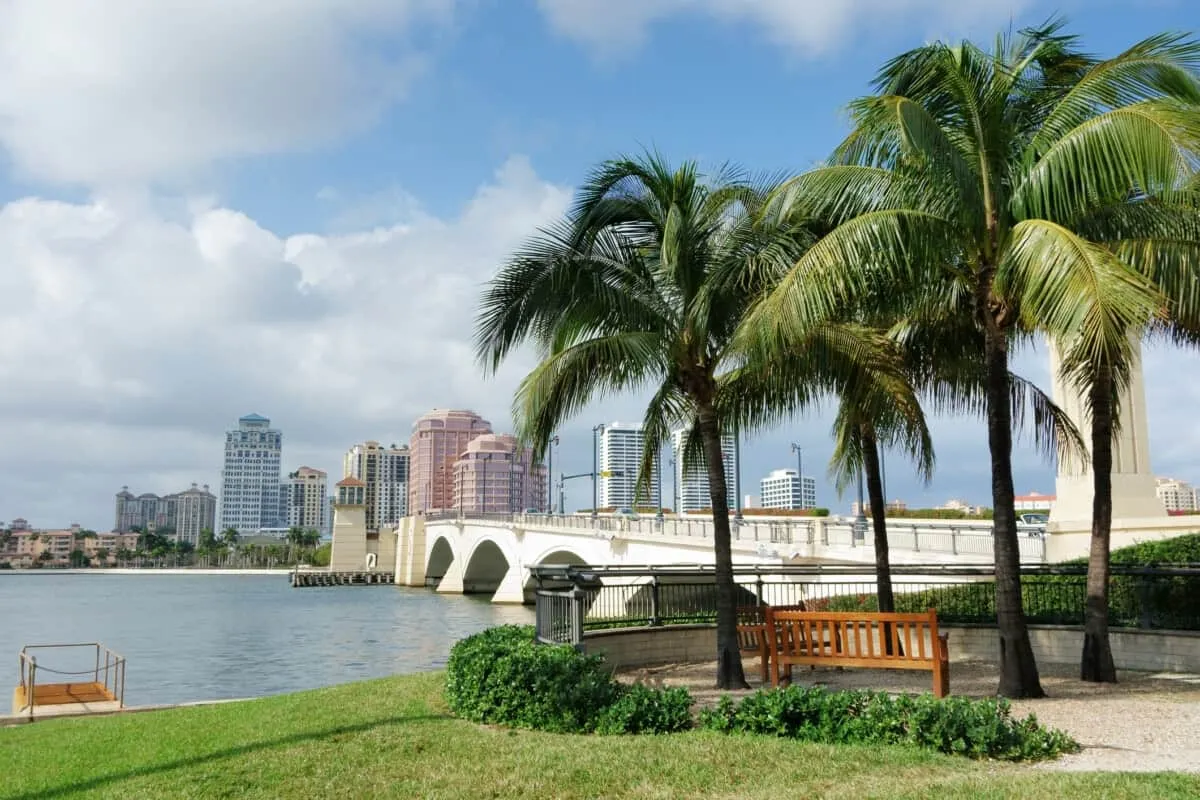
Palm Coast, located in Flagler County along Florida’s Atlantic Coast, is often viewed as a value-oriented alternative to the higher-priced rental markets of South Florida. While it still offers beach access, outdoor recreation, and a relaxed coastal lifestyle, rental prices in Palm Coast tend to be significantly lower than in cities like Boca Raton or Deerfield Beach.
More Affordable Coastal Living
According to Zillow’s rental market data, the average rent for all property types in Palm Coast is around $2,000 per month. This average includes apartments, townhomes, and single-family houses, and highlights Palm Coast’s position as a more budget-friendly coastal market compared to South Florida, where average rents are typically several hundred dollars higher.
Why Palm Coast Costs Less
Several factors help keep rents more moderate:
Lower population density and slower growth compared to major metro areas
More abundant land availability, allowing for easier housing expansion
Fewer luxury high-rise and gated developments, which limits upward pressure on average rents
A renter base focused more on long-term affordability and space rather than prestige locations
While premium properties near the ocean, Intracoastal Waterway, or golf communities can still command higher rents, they are less common and do not dominate the market averages.
Lifestyle Trade-Offs
Palm Coast appeals to renters who prioritize:
Quiet neighborhoods
Access to nature, trails, and beaches
Lower monthly housing costs
A slower-paced, less congested environment
In exchange, renters may have fewer dining, nightlife, and employment options compared to South Florida’s larger urban centers.
With average rents near $2,000 per month, Palm Coast offers relative value for coastal living in Florida, especially for renters seeking space, calm, and long-term affordability. It remains an attractive option for those priced out of South Florida or looking to balance lifestyle and housing costs along the Atlantic coast.
Alternative Data Shows Lower Average Rents Across the Market
While some rental platforms report averages near the $2,000 mark, other sources suggest that typical rents can be noticeably lower when looking across a broader mix of housing types and neighborhoods. This difference highlights how averages can shift depending on whether data emphasizes single-family homes, newer listings, or the full range of apartments and houses available.
According to Redfin’s rental market trends, average rents are closer to $1,680–$1,700 on a broad basis. This figure reflects a blended view of the market, incorporating smaller apartments, older housing stock, and homes located farther from premium coastal or high-demand areas.
Why Redfin’s Numbers Skew Lower
Redfin’s estimates tend to capture:
A wider mix of apartments and smaller units, not just houses
Neighborhoods with varying demand levels, including inland and suburban areas
Both older and newer properties, balancing luxury listings with more affordable options
Because of this, Redfin’s average often lands below figures reported by platforms that weigh single-family homes or newer developments more heavily.
What This Means for Renters
For renters, Redfin’s data suggests that sub-$1,700 rents are achievable, particularly for:
Apartments or condos
Smaller floor plans
Older but well-maintained properties
Neighborhoods outside premium coastal zones
At the same time, it does not contradict higher averages reported elsewhere — it simply illustrates that the rental market is diverse, and pricing depends heavily on housing type and location.
How to Read the Numbers Together
When viewed side by side:
Higher averages reflect demand for houses and newer properties
Lower averages reflect the availability of apartments and value-oriented neighborhoods
Together, they paint a realistic picture: renters who need space or premium locations will pay more, while those with flexibility can find more affordable options.
Bottom Line
Redfin’s rental trends confirm that average rents closer to $1,680–$1,700 are part of the same market, shaped by a diverse housing mix. Understanding which data set aligns with your housing needs is key to setting an accurate rental budget.
Typical Rental Price Range Estimate for 2026: Houses
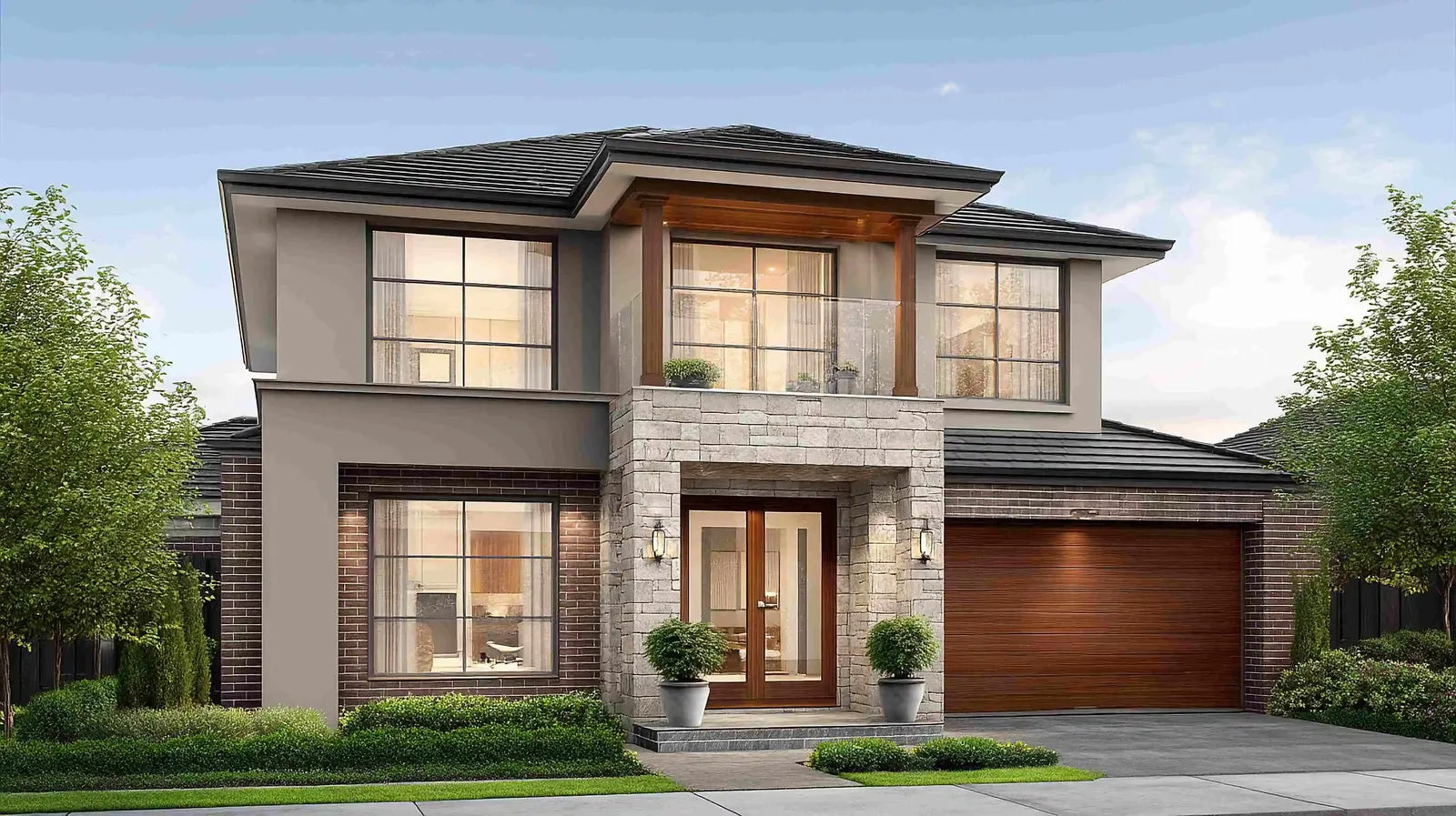
Looking ahead to 2026, rental pricing for single-family houses in many Florida coastal and suburban markets is expected to remain stable but elevated, reflecting steady demand and limited new supply. Based on current market trends and recent listing data, a typical rental price range of $1,800–$2,500 per month is a reasonable estimate for standard houses, with final pricing shaped largely by size, condition, and location.
What Falls Into This Price Range
Homes renting between $1,800 and $2,500 per month typically include:
Two- to three-bedroom single-family houses
Modest to mid-size floor plans
Older or moderately updated interiors
Locations outside premium beachfront or luxury-gated communities
These properties form the core of the long-term rental market, appealing to families, retirees, and professionals seeking space and privacy at a more accessible price point.
How Size and Location Affect Rent
Within this range, several factors influence where a home ultimately lands:
Smaller homes or inland neighborhoods tend toward the lower end
Larger layouts, newer renovations, or better school zones push rents upward
Proximity to beaches, Intracoastal waterways, or downtown hubs can quickly move pricing beyond $2,500
Even within the same city, neighborhood-level differences can create meaningful variation in asking rents.
Market Outlook for 2026
Rental data from major platforms suggests that while aggressive rent spikes have slowed, prices are unlikely to decline significantly. Population growth, lifestyle-driven relocation, and constrained housing supply continue to support current rent levels. As a result, the $1,800–$2,500 range is expected to remain the most common pricing band for standard houses through 2026.
What Renters Should Keep in Mind
Renters targeting this segment should be prepared to act quickly on well-priced listings, especially homes that offer good layouts or convenient locations. Flexibility on neighborhood or home size can still unlock better value within this range.
Why It’s Cheaper: Palm Coast’s Rental Advantage
Palm Coast stands out as one of Florida’s more affordable coastal rental markets, especially when compared with South Florida cities such as Boca Raton or Deerfield Beach. While it still offers Atlantic Ocean access and a relaxed beach-town atmosphere, several structural factors help keep rents lower and more accessible for long-term residents.
Distance From Major Employment Centers
One of the primary reasons Palm Coast is more affordable is its distance from South Florida’s major employment hubs. Unlike Miami-Dade, Broward, or Palm Beach counties — where dense job centers drive constant housing demand — Palm Coast is located in Flagler County, farther from large metropolitan cores. This reduces competitive pressure on housing and limits rapid rent escalation.
Lifestyle-Oriented Demand
Palm Coast traditionally attracts renters who prioritize a quiet coastal lifestyle over proximity to high-powered job markets. Many residents are retirees, remote workers, or households seeking a slower pace of life with access to beaches, trails, and natural surroundings. This type of demand tends to support stable, moderate pricing rather than aggressive bidding for rentals.
More Available Inventory
Another key factor is housing availability. Palm Coast has:
More developable land
Lower population density
Fewer zoning constraints than dense coastal metros
As a result, inventory growth has been more balanced, helping prevent the severe supply shortages that push rents higher in South Florida markets.
A Slightly Softer Market
According to Redfin, Palm Coast’s rental market is considered softer compared to high-demand coastal cities, meaning listings generally stay available longer and renters have more negotiating power. This softer market dynamic helps keep rents competitive and limits sharp price increases.
Bottom Line
Palm Coast’s lower rents are not a reflection of weak appeal, but rather of location, lifestyle focus, and healthier housing supply. For renters seeking coastal living without metro-level pricing — and who are willing to trade nightlife and job density for calm and affordability — Palm Coast remains one of Florida’s best value markets.
Final Takeaways for 2026: Coastal Rental Markets Compared
As renters plan for 2026, comparing coastal cities side by side helps clarify price expectations and lifestyle trade-offs. Boca Raton, Deerfield Beach, and Palm Coast each occupy a distinct position in Florida’s rental landscape, shaped by demand intensity, location, and housing supply.
Estimated Typical House Rents by City (2026)
City | Estimated Typical Rent (House) | Relative Market Tier |
Boca Raton | $2,800–$4,000+ | Premium, high cost |
Deerfield Beach | $2,200–$3,000 | Mid-to-upper coastal |
Palm Coast | $1,800–$2,500 | More affordable coastal |
Boca Raton: Premium Coastal Pricing
Boca Raton remains the costliest of the three markets. High demand, limited land availability, top-rated schools, and an amenity-rich lifestyle continue to support premium rents. For 2026, typical house rentals are expected to stay in the upper-$2,000s to $4,000+ range, particularly for well-located or upgraded homes.
Deerfield Beach: Balanced but Competitive
Deerfield Beach sits between moderate and high rent tiers. While generally more affordable than Boca Raton, pricing is still influenced by proximity to beaches, walkable districts, and Broward County employment centers. Houses in desirable neighborhoods often push toward the upper end of the $2,200–$3,000 range, keeping competition strong for quality listings.
Palm Coast: Value Without Sacrificing Coastal Living
Palm Coast offers the strongest relative value among the three. Located in Northeast Florida, it benefits from lower population density and more available housing inventory, helping keep typical house rents in the $1,800–$2,500 range. For renters willing to trade major metro access for a quieter environment, Palm Coast delivers coastal living at a more accessible price point.
Overall Outlook for 2026
Across all three markets, dramatic rent declines appear unlikely. Instead, steady demand and limited supply are expected to keep prices firm. The key difference lies in market tier:
Boca Raton commands a clear premium
Deerfield Beach offers a middle-ground coastal option
Palm Coast provides affordability with lifestyle appeal
Understanding these tiers helps renters align budget, location, and lifestyle priorities for 2026.
Source
Zillow Rental Manager: Average Rental Price in Boca Raton, FL & Market Trends, Zillow.com (updated December 13, 2025) Zillow
RentalSource — Boca Raton rental listings and market pages. RentalSource
Redfin — Boca Raton median rent and market trends (median ≈ $2,947). Redfin
Zillow Rental Manager — Boca Raton average rent and rental market overview. Zillow
Zillow / local listings (sample listings showing citywide asking rents). Zillow
RentCafe & Apartments.com — supplemental market snapshots and apartment-level averages. RentCafe+1
Zillow — Boca Raton, FL Rental Listings & Market Data, including rental price ranges and listing examples from Zillow.com.
Zillow — Boca Raton, FL Rental Market Trends & Single-Family Home Listings, Zillow Rental Manager and Zillow.com market data.
Zillow — Boca Raton, FL Rental Market Trends & Cost of Living Comparisons, Zillow Rental Manager and Zillow.com market data.
Zillow — Deerfield Beach, FL Rental Market Trends & Average Rent Data, Zillow Rental Manager and Zillow.com
Zumper — Apartments for Rent & Houses in Deerfield Beach, FL, Median Rent Data (December 2025), Zumper.com
RentCafe — Rental Market Trends, Neighborhood Averages, and Housing-Type Comparisons, RentCafe.com
RentCafe — Rental Market Trends and Neighborhood Averages, RentCafe.com
Zillow — Single-Family Rental Listings & Market Trends, Zillow.com
Zillow — Deerfield Beach, FL Rental Market Trends & Average Rent Comparisons, Zillow.com
Zillow — Palm Coast, FL Rental Market Trends & Average Rent Data, Zillow.com
Zillow — Single-Family Rental Listings & Market Trends, Zillow.com
Redfin — Rental Market Trends and Housing Mix Data, Redfin.com
Redfin — Palm Coast, FL Rental Market Trends & Housing Supply Analysis, Redfin.com
Zillow — Rental Market Trends, Average Rent Data, and City Comparisons for Boca Raton, Deerfield Beach, and Palm Coast, Zillow.com
Zillow Boca Raton rental trends — Average Rental Price in Boca Raton, FL (Zillow Rental Manager)
Zillow Deerfield Beach rental summary — Average Rental Price in Deerfield Beach, FL (Zillow Rental Manager)
Zillow Palm Coast rental overview — Average Rental Price in Palm Coast, FL (Zillow Rental Manager)
Zumper Deerfield Beach median rent — Average Rent in Deerfield Beach, FL (Zumper)
Redfin Palm Coast rent trends — Average rent in Palm Coast, FL (Redfin)