How to Rent a Home in Florida When You're Moving From Out of State — Step by Step
- Maria V.
- May 19
- 26 min read
Relocating to Florida from another state can be exciting, but finding a rental home before you arrive often feels overwhelming. Between online listings, application requirements, rising rental prices, and unfamiliar neighborhoods, many out-of-state renters are unsure where to begin.
Florida’s rental market has become increasingly competitive in recent years, especially in fast-growing areas like Miami, Tampa, Orlando, Jacksonville, and parts of South Florida’s coastal communities. However, with proper planning and a structured approach, it is still possible to secure a rental smoothly — even before physically arriving in the state.
Here is a step-by-step guide to renting a home in Florida when moving from out of state.

Step 1: Decide Which Florida Area Fits Your Lifestyle
One of the biggest mistakes people make when moving to Florida from out of state is assuming the entire state offers the same lifestyle. In reality, Florida is one of the most geographically and economically diverse states in the country. Rental prices, traffic patterns, weather conditions, job markets, and overall lifestyle can vary dramatically depending on the region.
Before beginning your apartment or home search, it is important to first decide which part of Florida best matches your daily needs, budget, and long-term goals.
South Florida: Urban Living and Higher Costs
Areas like Miami, Fort Lauderdale, and West Palm Beach are known for their fast-paced environment, nightlife, international culture, and strong luxury housing markets.
South Florida attracts professionals, entrepreneurs, retirees, and remote workers seeking:
Beach access
High-end amenities
Dining and entertainment
Walkable downtown districts
International business opportunities
However, these benefits often come with significantly higher rental prices, heavier traffic congestion, and increased insurance costs. Commutes can become time-consuming, especially during tourist season and peak hours.
For renters seeking excitement, nightlife, and a dense urban atmosphere, South Florida may be a strong fit — but affordability can become a challenge.
Central Florida: Growth and Family-Friendly Affordability
Cities like Orlando, Tampa, and nearby suburban communities continue to attract families and workers relocating from higher-cost states.
Central Florida is often chosen for:
More affordable rental pricing
Expanding job opportunities
Family-oriented neighborhoods
New housing developments
Access to major highways and airports
The region has experienced major population growth over the past several years, creating both opportunities and challenges. While rents remain lower than many South Florida coastal markets, traffic has increased substantially around growing metro areas.
Many newcomers appreciate Central Florida’s balance between affordability and economic opportunity.
Gulf Coast: Relaxed Coastal Lifestyle
Florida’s Gulf Coast, including cities such as Naples, Sarasota, and Fort Myers, is especially popular among retirees and renters seeking a slower-paced coastal lifestyle.
The Gulf Coast is known for:
Beaches and waterfront living
Retirement communities
Boating and outdoor recreation
Lower-density development
A quieter atmosphere compared to South Florida
Some Gulf Coast markets remain relatively affordable, while others — particularly luxury coastal areas — have seen major price increases in recent years.
This region often appeals to people prioritizing relaxation, scenery, and beach-focused living over nightlife and dense city environments.
Northeast Florida: Balance and Value
Areas around Jacksonville, St. Augustine, and surrounding coastal communities have become increasingly attractive for renters looking for a balance between affordability and coastal access.
Northeast Florida typically offers:
Lower housing costs than South Florida
Access to beaches
Growing job markets
Less intense traffic
More suburban and residential neighborhoods
Many renters relocating from other states find this region offers a practical middle ground between cost, lifestyle, and convenience.
Key Factors to Consider Before Choosing a Region
Before searching for specific rentals, narrow your target area based on your actual daily priorities. Important factors include:
Budget and monthly rent expectations
Work location and commuting distance
School districts
Beach proximity
Walkability and public amenities
Climate preferences
Hurricane exposure and flood zones
Traffic congestion
Insurance and utility costs
A neighborhood that looks attractive online may feel very different in everyday life once commuting, seasonal traffic, and weather patterns become part of your routine.
Avoid Choosing Based Only on Social Media
Many out-of-state renters make decisions based primarily on vacation experiences, online photos, or social media content. While Florida can appear glamorous online, daily living realities matter just as much as appearance.
Researching topics like:
Hurricane risk
Flood insurance
Traffic conditions
Local wages
Utility expenses
Seasonal population changes
can help prevent expensive mistakes later.
The best Florida location is not necessarily the most famous or luxurious one — it is the area that realistically fits your lifestyle, financial situation, and long-term goals.

Step 2: Establish a Realistic Rental Budget
One of the most important parts of relocating to Florida is understanding the true cost of renting beyond just the advertised monthly rent. Since 2020, rental prices across many Florida cities have increased significantly, especially in coastal markets and rapidly growing suburban communities.
Many newcomers underestimate how quickly move-in expenses can add up. Creating a realistic rental budget before starting your search can help prevent financial stress and reduce the risk of committing to a property that stretches your finances too far.
Florida Rental Prices Have Changed Rapidly
Florida experienced major population growth after 2020, with large numbers of people relocating from higher-cost states. This increased demand pushed rental prices upward across many areas, particularly in cities such as Miami, Tampa, Orlando, and Fort Lauderdale.
Even suburban communities once considered affordable have seen rising rents due to:
Population growth
Limited housing inventory
Increased construction costs
Higher insurance expenses
Strong demand for Florida living
Because of this, renters moving from out of state should budget carefully and prepare for higher upfront costs than expected.
Expenses Beyond Monthly Rent
The advertised rent is only part of the total cost of renting a home or apartment in Florida. Before signing a lease, make sure to account for additional recurring and one-time expenses.
Common rental-related costs include:
Monthly rent
Security deposit
Application fees
Administrative or move-in fees
Pet fees or pet rent
Parking fees
Utility bills
Internet service
Renter’s insurance
Moving truck or transportation costs
Furniture or household setup expenses
In some luxury apartment communities, move-in costs alone can total several thousand dollars before the first month even begins.
Understanding Income Requirements
Many Florida landlords and property management companies now require tenants to show verifiable monthly income equal to approximately 2.5 to 3 times the monthly rent.
For example:
A $2,200 apartment may require household income between $5,500 and $6,600 per month
Higher-end luxury communities may require even stronger income qualifications or higher credit scores
Applicants are often asked to provide:
Recent pay stubs
Employment verification
Bank statements
Tax returns
Proof of savings or assets
Self-employed renters and remote workers may need additional documentation compared to traditional employees.
Prepare for Larger Upfront Costs
Out-of-state movers are often surprised by how much cash is needed before move-in day. In many Florida rentals, tenants may need to pay:
First month’s rent
Last month’s rent
Security deposit
Application and administrative fees
This means moving into a $2,200 apartment could realistically require $5,000–$7,000 or more upfront depending on the property and qualifications.
Keeping extra emergency savings available is highly recommended, especially when relocating long-distance.
Avoid Becoming “House Poor”
It can be tempting to stretch your budget for luxury amenities, waterfront views, or trendy neighborhoods. However, Florida living also includes variable costs that newcomers sometimes overlook, including:
Hurricane preparation expenses
Higher summer electricity bills
Auto insurance increases
Toll roads and commuting costs
Seasonal tourism traffic
A safer approach is choosing a rental that leaves room for savings and unexpected expenses rather than maximizing your approved budget.
Build a Budget Before You Search
Before applying for apartments, calculate:
Your comfortable monthly housing limit
Expected utility costs
Transportation expenses
Emergency savings goals
Total move-in cash needed
Having a realistic budget helps narrow your search, reduces wasted application fees, and increases the chances of finding a rental that remains financially manageable long-term.

Step 3: Research Neighborhoods Carefully
One of the most common mistakes out-of-state renters make when moving to Florida is focusing only on the city instead of the specific neighborhood. While a city may look attractive overall, daily living experiences can vary dramatically depending on the exact area you choose.
In many Florida metro areas, neighborhoods only a few miles apart can have major differences in:
Rental pricing
Safety
Traffic congestion
Noise levels
Flood risk
School quality
Walkability
Commute times
Property condition and maintenance
Because of this, researching neighborhoods carefully before signing a lease is one of the most important steps in the relocation process.
A City Name Does Not Tell the Full Story
Large Florida metro areas such as Miami, Orlando, Tampa, and Jacksonville contain dozens of neighborhoods with completely different lifestyles and living conditions.
For example:
One neighborhood may offer quiet residential streets and shorter commutes
Another may experience heavy tourist traffic and nightlife noise
Some areas may have newer apartments and stronger maintenance standards
Others may face higher flood exposure or aging infrastructure
Choosing the right neighborhood often matters more than choosing the right city.
Research Your Daily Commute First
A neighborhood that appears perfect online may become frustrating if daily commuting is difficult.
Florida traffic can vary significantly depending on:
Tourist season
Highway access
Bridge crossings
School zones
Rush hour congestion
Ongoing construction projects
Using commute estimation tools before renting can help avoid long and stressful travel times.
Useful tools include:
Google Maps live commute estimates
Traffic apps with peak-hour forecasting
Local transportation authority websites
Testing commute routes during actual rush-hour periods — even virtually through map tools — can provide a more realistic picture of daily life.
Check Safety and Crime Trends
Safety is another critical factor that should be researched carefully before committing to a lease.
Many renters review:
Local crime maps
Police department reports
Neighborhood discussion forums
Community social media groups
Resident reviews of apartment communities
While online reviews should not be treated as perfect indicators, patterns of repeated complaints about theft, noise, poor maintenance, or security problems can be valuable warning signs.
Research Flood Zones and Hurricane Risk
Florida’s weather risks vary substantially between neighborhoods. Two apartments in the same city may have very different flood exposure depending on elevation and proximity to water.
Before renting, review:
FEMA flood zone maps
Hurricane evacuation zones
Storm surge exposure
Drainage and flooding history
Flood-prone areas may also lead to:
Higher renter insurance costs
Parking concerns
Increased storm anxiety during hurricane season
Understanding these risks ahead of time can help renters avoid expensive surprises later.
Evaluate Schools and Community Quality
Even renters without children often research school districts because they can affect:
Neighborhood stability
Property values
Traffic patterns
Overall community quality
Additional quality-of-life factors worth researching include:
Grocery store access
Parks and recreation
Walkability
Healthcare access
Restaurant and shopping options
Noise levels during weekends and holidays
Watch Daytime and Nighttime Neighborhood Videos
Photos alone rarely provide a realistic understanding of a neighborhood.
Many experienced renters now watch:
YouTube driving tours
Walking tours
Apartment review videos
Local creator content
Resident TikTok or social media videos
Viewing neighborhoods during both daytime and nighttime can reveal:
Traffic levels
Lighting conditions
Noise
Activity levels
Parking availability
General atmosphere
This often provides a much more accurate sense of the area than listing photos alone.
Consider Temporary Housing First
Many out-of-state movers choose short-term or temporary housing before signing a long-term lease.
This strategy allows newcomers to:
Explore neighborhoods in person
Test commute routes
Learn local traffic patterns
Experience weather conditions
Compare communities firsthand
Even spending a few weeks locally before committing to a 12-month lease can help renters make a more confident and informed decision.
Research Before You Commit
The right neighborhood can dramatically improve your Florida experience, while the wrong one can create daily stress and unexpected costs.
Careful neighborhood research helps renters avoid common relocation mistakes and increases the chances of finding a community that truly fits their lifestyle, budget, and long-term goals.

Step 4: Gather Your Documents Before Applying
Florida’s rental market can move extremely quickly, especially in desirable neighborhoods and competitively priced apartment communities. In many cities, well-priced rentals may receive multiple applications within days — sometimes even within hours of being listed.
Because of this, preparation is critical.
One of the smartest things out-of-state renters can do before beginning their apartment search is organize all required application documents in advance. Having your paperwork ready can significantly improve your chances of securing a property before another applicant does.
Why Preparation Matters in Florida’s Rental Market
In fast-growing Florida cities such as Miami, Orlando, Tampa, and Jacksonville, landlords and property managers often review applications on a first-qualified basis.
This means delays in submitting documents can sometimes cost renters the opportunity entirely.
If two applicants are similarly qualified, the person who provides complete paperwork faster may have the advantage.
Documents Most Florida Landlords Commonly Request
Before applying, prepare clear digital copies of all major documents. Many apartment communities now use online application systems, making electronic files especially important.
Commonly requested documents include:
Government-issued photo ID
Proof of income
Recent pay stubs
Employment verification
Bank statements
Previous landlord references
Credit history or credit report information
Social Security number for background screening
Having these files saved digitally in advance can make the application process much smoother.
Proof of Income Is Especially Important
Most Florida landlords want reassurance that tenants can comfortably afford rent payments.
Many properties require applicants to show monthly income equal to approximately 2.5 to 3 times the monthly rent.
Acceptable income verification often includes:
Recent pay stubs
Direct deposit records
W-2 forms
Tax returns
Employer verification letters
For renters relocating for a new job, an official employment offer letter may sometimes be accepted as proof of future income.
This is particularly common for professionals moving from out of state before their new position officially begins.
Additional Requirements for Self-Employed Renters
Self-employed applicants, freelancers, remote workers, and business owners may face additional screening requirements because their income is not always viewed as predictable as traditional salaried employment.
Landlords may request:
Several months of bank statements
Recent tax returns
Profit-and-loss statements
1099 forms
Client contracts or invoices
Providing organized and complete documentation upfront can help build confidence with landlords and reduce delays during approval.
Credit and Rental History Matter
Most professionally managed Florida apartment communities also run:
Credit checks
Criminal background screenings
Rental history verification
A lower credit score does not automatically prevent approval, but landlords may request:
Larger security deposits
Co-signers or guarantors
Additional proof of savings
Strong rental references from previous landlords can also improve approval chances, especially for applicants relocating long distance.
Organize Everything Before Touring Apartments
Many experienced renters create a digital folder containing all application materials before they even begin touring properties.
This allows them to:
Apply immediately after finding a suitable apartment
Avoid delays gathering paperwork later
Respond quickly to leasing agents
Compete more effectively in high-demand markets
Some renters even prepare partially completed applications in advance to save additional time.
Speed Can Make the Difference
In competitive Florida rental markets, hesitation can sometimes mean losing a desirable apartment to another applicant.
Having your documents prepared before beginning your search can make the entire process:
Faster
Less stressful
More professional
More competitive
The more organized you are before applying, the easier it becomes to secure housing quickly and confidently during your Florida relocation.

Step 5: Beware of Rental Scams
Rental scams have become a growing problem across Florida, particularly in competitive housing markets where demand is high and available rentals move quickly. Out-of-state renters are especially vulnerable because many cannot visit properties in person before sending deposits or signing agreements.
Scammers often take advantage of urgency, limited inventory, and the excitement of relocation to pressure renters into making fast financial decisions.
Understanding the most common warning signs can help renters avoid costly mistakes and protect themselves during the search process.
Why Florida Renters Are Frequent Targets
Florida’s strong population growth and high demand for housing have created an environment where scams can spread easily online.
Popular relocation destinations such as Miami, Orlando, Tampa, and Fort Lauderdale often see intense competition for reasonably priced rentals.
Scammers know that renters moving from another state may feel pressured to secure housing quickly before arriving in Florida.
As a result, fake listings frequently appear on social media platforms, online marketplaces, and even major rental websites.
Common Warning Signs of Rental Scams
While scams vary, several red flags appear repeatedly in fraudulent rental listings.
Be cautious if you encounter:
Rental prices significantly below market value
Pressure to send money immediately
Refusal to provide live video tours
Requests for wire transfers or cryptocurrency payments
Poorly written listings with inconsistent details
Listings copied from legitimate websites
“Landlords” claiming they are overseas or unavailable to meet
Excuses for why the property cannot be shown in person
If a deal seems dramatically cheaper or easier than similar rentals nearby, additional verification is extremely important.
Verify the Property and Ownership
Before sending deposits or signing agreements, renters should verify that the property actually exists and that the person advertising it has legitimate authority to rent it.
Helpful verification steps include:
Checking county property records
Searching the address online
Comparing listing photos across multiple websites
Confirming ownership information
Reviewing leasing company credentials
Requesting live video walkthroughs
Many Florida counties provide public property ownership databases online, allowing renters to confirm whether the landlord’s information matches official records.
Be Careful With Deposits and Payment Methods
One of the most common scam tactics involves requesting deposits before the renter has properly verified the property.
Scammers frequently ask for:
Wire transfers
Cryptocurrency payments
Peer-to-peer payment apps
Untraceable payment methods
Legitimate apartment communities and licensed professionals typically use secure and documented payment systems.
Renters should avoid sending money before:
Verifying the property
Reviewing the lease
Confirming ownership or management legitimacy
Conducting a tour whenever possible
Video Tours Are Increasingly Important
For out-of-state movers, live video tours have become one of the best ways to reduce fraud risk.
A legitimate landlord or leasing agent should usually be willing to:
Conduct a real-time video walkthrough
Show the exterior and surrounding area
Answer detailed questions live
Verify current property condition
Pre-recorded videos alone are not always enough because scammers often steal footage from legitimate listings.
Consider Working With Professionals
Using licensed Florida real estate professionals or established apartment communities can significantly reduce the risk of scams.
Licensed professionals are regulated by the state and generally provide:
Verified listings
Legal lease documentation
Professional communication
Traceable business operations
Large apartment communities with official websites and leasing offices also tend to offer greater transparency and accountability than informal online listings.
Trust Caution Over Urgency
Scammers often rely on emotional pressure and urgency to prevent renters from researching properly.
Statements such as:
“Many people are interested”
“You must send money today”
“I’m out of the country”
“I can’t show the property right now”
are often designed to rush decision-making.
Taking extra time to verify legitimacy can help renters avoid losing thousands of dollars and arriving in Florida without housing.
Protect Yourself Before You Move
Relocating to Florida can already be stressful and expensive. Falling victim to a rental scam can make the process far more difficult.
Careful research, property verification, and cautious payment practices can dramatically reduce risk and help renters secure legitimate housing with greater confidence.

Step 6: Schedule Virtual Tours or Visit in Person
Virtual apartment tours have become a standard part of Florida’s rental market, especially for out-of-state movers searching for housing before arriving. Many apartment communities, landlords, and real estate professionals now offer remote touring options that allow renters to explore properties from anywhere.
While virtual tours can save time and travel costs, renters should still approach the process carefully and gather as much real-time information as possible before signing a lease.
Whenever possible, visiting Florida in person before committing to a rental remains the safest and most informative option.
Virtual Tours Are Now Common Across Florida
In competitive Florida markets such as Miami, Orlando, Tampa, and Jacksonville, many renters secure apartments remotely before relocating.
This has made virtual leasing and online tours increasingly common.
Typical remote tour options include:
Live video walkthroughs
Pre-recorded apartment videos
3D interactive tours
Video calls with leasing agents
Virtual neighborhood previews
However, not all virtual tours provide the same level of transparency.
Request Live Video Walkthroughs
Whenever possible, request a live video tour instead of relying only on prerecorded clips or professionally edited marketing videos.
Live walkthroughs allow renters to:
Ask questions in real time
Request views from specific angles
Verify the actual condition of the unit
Confirm layout accuracy
Observe lighting and noise conditions
Pre-recorded videos may not reflect the current condition of the exact apartment being rented.
A live tour also helps confirm that the property is legitimate and actively managed.
Look Beyond the Apartment Interior
Many renters focus only on the inside of the unit while overlooking other important parts of the property.
During a virtual tour, ask to see:
Building entrances
Hallways and common areas
Parking lots or garages
Elevators and stairwells
Pool and fitness areas
Mailrooms and package lockers
Outdoor lighting and landscaping
These details can reveal a great deal about property maintenance standards and overall management quality.
Ask About Maintenance and Appliance Condition
Photos and videos may hide signs of wear or maintenance problems.
During the tour, ask specific questions about:
Appliance age and condition
Air conditioning performance
Water pressure
Pest control policies
Internet availability
Laundry facilities
Recent renovations or repairs
Florida’s heat and humidity make reliable air conditioning especially important, so renters should always confirm that cooling systems are functioning properly.
Research Noise and Construction Activity
Noise levels can vary dramatically depending on the neighborhood, nearby roads, and building location.
Ask about:
Traffic noise
Nearby nightlife
Airport flight paths
Ongoing construction projects
Thin walls or neighbor complaints
It is also important to confirm the exact location of the apartment within the building. Two units in the same complex may offer completely different experiences depending on proximity to parking lots, elevators, pools, or busy streets.
Verify the Exact Floor Plan and Unit
Sometimes the apartment shown during a tour may not be the exact unit available for lease.
Before signing, confirm:
Unit number
Floor plan
Square footage
Floor level
Balcony or window views
Appliance package
Flooring type
Requesting photos or videos of the exact unit can help avoid surprises on move-in day.
Visiting Florida in Person Is Still Ideal
Although remote leasing is increasingly common, visiting Florida before signing a lease remains the best option whenever financially possible.
Even a short weekend trip can provide valuable insight into:
Traffic conditions
Commute times
Neighborhood atmosphere
Weather patterns
Parking availability
Local businesses and amenities
In-person visits often reveal details that are difficult to fully understand through photos or video alone.
Temporary Housing Can Provide Flexibility
Some out-of-state movers choose short-term housing first so they can explore multiple neighborhoods in person before committing to a long lease.
This approach allows renters to:
Compare communities directly
Test commute routes
Experience local traffic
Learn neighborhood dynamics
Avoid rushed decisions
While temporary housing may cost slightly more initially, it can reduce the risk of choosing the wrong apartment long-term.
See Beyond the Marketing
Professional listing photos and edited videos are designed to make properties appear attractive. A careful and detailed tour process helps renters understand what daily life at the property will actually feel like.
The more questions you ask before signing a lease, the more confident and informed your relocation decision becomes.
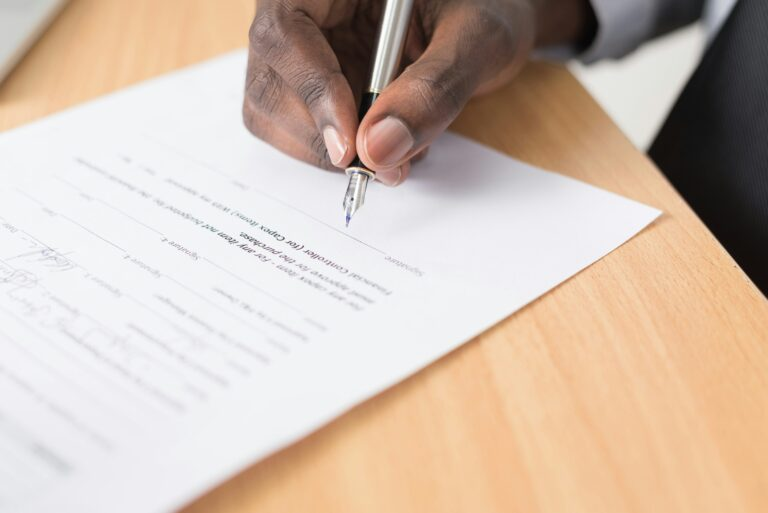
Step 7: Understand Florida Lease Terms
Signing a lease is one of the most important steps in the Florida rental process. While many renters focus primarily on price and location, the lease agreement itself determines the legal and financial responsibilities of both the tenant and the landlord.
Florida lease agreements can contain detailed terms that directly affect your monthly costs, flexibility, living conditions, and even storm-related responsibilities. Before signing electronically or in person, renters should carefully review every section and fully understand the agreement.
A lease is a legal contract, and overlooking small details can lead to expensive surprises later.
Review the Lease Length Carefully
One of the first things renters should confirm is the lease duration.
Most Florida rentals offer:
12-month leases
Short-term leases
Month-to-month agreements
Extended lease options
Shorter leases often come with higher monthly rent, while longer leases may lock in pricing for a more stable period.
If you are new to Florida and still learning the area, consider whether a shorter lease might provide more flexibility before committing long-term.
Understand Renewal Terms and Rent Increases
Many renters overlook the renewal section of the lease until the contract is about to expire.
Before signing, ask:
How renewal pricing is determined
Whether rent increases are capped
How much notice is required before renewal
What happens if you do not renew on time
In rapidly growing Florida markets such as Miami, Orlando, Tampa, and Fort Lauderdale, rental rates can change significantly between lease terms.
Understanding renewal policies ahead of time helps renters prepare financially and avoid unexpected increases.
Check Early Termination Rules
Life circumstances can change unexpectedly, especially after relocating to a new state.
Florida leases often include penalties for breaking the lease early, which may involve:
Several months of rent
Lease buyout fees
Loss of security deposits
Continued financial responsibility until a replacement tenant is found
Before signing, review:
Early termination clauses
Job relocation policies
Military relocation protections
Subleasing rules
Knowing your options in advance can prevent major financial stress later.
Understand Pet Policies and Guest Restrictions
If you have pets or expect frequent visitors, carefully review all related rules.
Some Florida communities may impose:
Breed restrictions
Pet weight limits
Monthly pet rent
Additional deposits
Limits on overnight guests
Restrictions on long-term visitors
Violating lease terms related to pets or guests can sometimes result in fines or lease violations.
Clarify Maintenance Responsibilities
Lease agreements should clearly explain who is responsible for maintenance and repairs.
Review sections covering:
Air conditioning repairs
Pest control
Plumbing issues
Appliance maintenance
Emergency repairs
Lawn care or exterior upkeep
Florida’s climate makes reliable air conditioning especially important, so renters should confirm how quickly maintenance requests are typically handled.
Pay Attention to HOA and Community Rules
Many Florida rentals are located within communities governed by homeowners associations (HOAs) or condo associations.
These communities may have rules regarding:
Parking
Balcony decorations
Noise levels
Pool access
Trash disposal
Moving hours
Vehicle restrictions
Violating HOA rules can sometimes result in fines passed on to tenants.
Always ask for copies of community guidelines if applicable.
Confirm Utility Responsibilities
Utility arrangements vary significantly between properties.
Before signing, confirm responsibility for:
Electricity
Water
Sewer
Trash collection
Internet and cable
Pest control
Parking fees
Some apartment communities include certain utilities in the rent, while others charge separately through third-party billing systems.
Florida Leases Often Include Storm-Related Clauses
Because Florida faces hurricanes and severe weather, leases may include special provisions related to:
Hurricane preparation
Storm evacuation procedures
Flooding responsibilities
Property damage reporting
Mandatory renter’s insurance
Some landlords may require tenants to carry renter’s insurance throughout the lease term.
Understanding these clauses is particularly important for renters unfamiliar with Florida weather risks.
Read Everything Before Signing Electronically
Electronic lease signing has become common throughout Florida’s rental market, especially for out-of-state movers.
However, digital convenience should not replace careful review.
Before signing:
Read every section thoroughly
Ask questions about unclear language
Request clarification in writing if needed
Confirm all verbal promises are included in the lease
Once signed, the lease becomes legally binding.
A Careful Review Can Prevent Future Problems
A well-understood lease creates clearer expectations and reduces the chances of disputes later.
Taking extra time to review the agreement carefully can help renters:
Avoid hidden fees
Understand responsibilities
Protect themselves financially
Feel more confident about the move
The lease is not just paperwork — it defines your entire rental experience in Florida.

Step 8: Consider Short-Term Housing First
For many people relocating to Florida from out of state, choosing a permanent rental immediately can feel overwhelming. Photos, online reviews, and virtual tours only reveal part of the experience, and many newcomers discover that daily life in a neighborhood feels very different from what they expected.
Because of this, a growing number of renters now choose a more flexible relocation strategy: starting with short-term housing before committing to a long-term lease.
This approach allows newcomers to settle into Florida gradually while learning the local market, traffic patterns, neighborhoods, and lifestyle options firsthand.
Why Short-Term Housing Has Become More Popular
Florida’s rapid population growth and competitive rental market have made many renters more cautious about rushing into long-term leases.
In cities such as Miami, Orlando, Tampa, and Jacksonville, neighborhoods can vary dramatically in:
Traffic conditions
Noise levels
Flood exposure
Walkability
School quality
Commute times
Overall atmosphere
Choosing incorrectly can lead to expensive lease termination fees or months of living in an area that does not fit your lifestyle.
Short-term housing provides time to make a more informed decision.
A Flexible Relocation Strategy
Many out-of-state movers now follow a step-by-step approach:
Rent temporary housing for 1–3 months
Learn the local area
Explore multiple neighborhoods
Compare commute routes and amenities
Commit to a long-term lease later with greater confidence
This strategy reduces pressure during the relocation process and allows renters to experience Florida beyond vacation impressions or online marketing.
Explore Neighborhoods in Real Life
One of the biggest benefits of temporary housing is the ability to experience neighborhoods personally before signing a long lease.
Living locally for even a few weeks allows renters to evaluate:
Morning and evening traffic
Weekend activity levels
Parking availability
Noise patterns
Grocery stores and shopping access
Restaurant and entertainment options
Flooding during storms
Overall neighborhood atmosphere
These details are difficult to fully understand through listing photos or virtual tours alone.
Especially Helpful for Remote Workers
Remote workers are among the groups most commonly using short-term rentals during relocation.
Because they are not tied to a daily office commute, many remote workers prefer to spend time exploring different Florida regions before deciding where they want to live long-term.
Some prioritize:
Walkable downtown areas
Beach access
Quiet residential neighborhoods
Co-working spaces
Reliable internet infrastructure
Lower overall living costs
Temporary housing gives them flexibility to compare multiple lifestyles before making a final commitment.
Families Often Benefit From Extra Time
Families relocating with children may also benefit from delaying a permanent lease decision.
Short-term housing allows parents to research:
School districts
Commute times
Family-friendly neighborhoods
Parks and recreational facilities
Healthcare access
Safety and community environment
Choosing the wrong area can be disruptive for both parents and children, so extra research time can be valuable.
Retirees Frequently Use This Approach
Many retirees moving to Florida prefer experiencing the state firsthand before choosing a long-term location.
Florida lifestyles vary greatly between:
Active urban areas
Quiet beach towns
Golf communities
Retirement-focused developments
Suburban residential neighborhoods
Temporary housing provides an opportunity to test daily life and determine which environment feels most comfortable.
Short-Term Rentals May Cost More Initially
One drawback of short-term housing is that monthly costs are often higher than traditional long-term leases.
Temporary rentals may include:
Furnished units
Flexible lease terms
Seasonal pricing
Additional service fees
However, many renters view the extra cost as worthwhile if it helps avoid expensive mistakes later, such as:
Breaking a lease early
Moving multiple times
Living in an unsuitable neighborhood
Facing unexpected commute stress
In many cases, spending slightly more upfront can save money and frustration long-term.
A Slower Decision Can Be the Smarter One
Relocating to Florida is a major life decision, and there is often pressure to secure housing quickly.
But taking extra time to explore neighborhoods, compare communities, and understand daily living realities can lead to a much better long-term outcome.
For many newcomers, short-term housing provides the flexibility and breathing room needed to make a more confident and informed decision about where to truly call home in Florida.

Step 9: Prepare for Fast Decision-Making
Florida’s rental market can move extremely quickly, especially in desirable neighborhoods and competitively priced apartment communities. Well-maintained rentals with strong locations, modern amenities, or below-market pricing often attract multiple applicants within a very short period of time.
For out-of-state movers, this fast pace can feel surprising and stressful. Many renters spend weeks researching neighborhoods and comparing listings, only to discover that the apartment they wanted has already been rented by someone who acted faster.
Being prepared to make decisions quickly — while still reviewing details carefully — is one of the most important parts of successfully renting in Florida.
Competitive Rentals Move Fast
In high-demand markets such as Miami, Orlando, Tampa, and Fort Lauderdale, attractive rental listings may receive significant interest immediately after being posted.
This is especially true for properties that offer:
Reasonable pricing
Updated interiors
Good school districts
Convenient commuting access
Beach proximity
Strong amenities
Flexible lease terms
Because inventory can be limited in popular areas, delays in responding or submitting paperwork may cause renters to lose opportunities quickly.
Preparation Creates an Advantage
The renters who are most successful in competitive Florida markets are usually the ones who prepare before they begin touring properties.
If you find a rental that matches your needs, you should already be ready to:
Submit documents immediately
Complete the application quickly
Respond to landlord requests promptly
Place a deposit if approved
Review and sign lease documents without unnecessary delays
Preparation reduces stress and allows you to move confidently when the right property becomes available.
Have Your Documents Ready Before Touring
Many apartment communities process applications on a first-qualified basis.
This means renters who provide complete documentation first may have a better chance of approval.
Before actively searching, prepare digital copies of:
Government-issued ID
Proof of income
Pay stubs or employment verification
Bank statements
Rental references
Credit information
Having everything organized in advance allows you to apply immediately instead of spending valuable time gathering paperwork after finding a property you like.
Respond Quickly to Leasing Agents
In busy rental markets, communication speed matters.
Landlords and leasing agents may move on to the next applicant if responses are delayed for too long.
Try to respond promptly to requests for:
Additional documentation
Income verification
Application corrections
Deposit confirmation
Lease signatures
Professional and timely communication can also create a stronger impression during the approval process.
Be Financially Prepared
Many renters lose apartments simply because they are not financially prepared when approval arrives.
If you plan to rent soon, keep sufficient funds accessible for:
Application fees
Security deposits
First month’s rent
Potential last month’s rent
Administrative or move-in fees
In Florida, move-in costs can sometimes total several thousand dollars, especially in professionally managed communities or luxury properties.
Review Lease Terms Quickly — But Carefully
Fast decision-making does not mean skipping important details.
Once approved, review the lease carefully and confirm:
Monthly rent
Lease duration
Renewal policies
Pet fees
Utility responsibilities
Early termination penalties
HOA or community rules
Competitive markets create urgency, but renters should still fully understand the agreement before signing.
Peak Moving Seasons Increase Competition
Florida’s rental competition often becomes even stronger during peak moving periods, including:
Summer relocation season
School calendar transitions
Corporate relocation cycles
Tourist-heavy migration periods
Retirement relocation seasons
Coastal areas and fast-growing suburban communities can become especially competitive during these times.
Hesitation Can Be Expensive
Waiting too long to make a decision may result in:
Losing a preferred apartment
Paying higher rent elsewhere
Restarting the search process
Increased moving stress
While renters should never rush blindly into a lease, being prepared to act efficiently can make a major difference in securing quality housing.
Confidence Comes From Preparation
The goal is not to make reckless decisions — it is to become organized enough that you can move quickly once the right opportunity appears.
Renters who research neighborhoods early, prepare documents ahead of time, and understand their budget are usually able to make faster and more confident decisions when a suitable Florida rental becomes available.

Step 10: Plan Your Move-In Logistics Early
Getting approved for a Florida rental is a major milestone, but the relocation process is not finished once the lease is signed. Move-in logistics can become surprisingly stressful if they are handled too late, especially during Florida’s busy moving seasons.
Careful planning before arrival can help renters avoid scheduling problems, unnecessary expenses, and last-minute complications. The more organized you are before move-in day, the smoother the transition into your new Florida home will be.
Florida’s Peak Moving Season Can Create Delays
Florida experiences heavy moving activity throughout the year, but competition for moving services often increases during:
Summer months
School breaks
Corporate relocation periods
Tourist migration seasons
Retirement relocation waves
In high-demand areas such as Miami, Orlando, Tampa, and Fort Lauderdale, moving companies and apartment scheduling slots can book quickly.
Planning ahead helps reduce the risk of delays and unexpected costs during arrival.
Set Up Utilities Before Arrival
One of the first things renters should handle after lease approval is utility setup.
Depending on the property, tenants may need to activate:
Electricity
Water and sewer service
Internet and cable
Trash collection
Gas service (if applicable)
Florida’s climate makes electricity especially important because air conditioning is essential for much of the year.
Scheduling utility activation before move-in day helps ensure the apartment is fully functional upon arrival.
Schedule Movers Early
Professional movers, truck rentals, and moving labor may become limited during busy periods.
Once your move-in date is confirmed:
Request moving quotes early
Reserve trucks or movers in advance
Confirm insurance coverage
Verify delivery timelines
Ask about additional fees for stairs or elevators
Long-distance moves into Florida can also face delays caused by weather, traffic, or seasonal demand, so building extra flexibility into your schedule is helpful.
Confirm Building Access and Elevator Reservations
Many apartment communities, especially larger buildings and luxury high-rises, require scheduled move-in appointments.
Before moving day, confirm:
Elevator reservation requirements
Approved moving hours
Loading zone access
Parking instructions for moving trucks
Entry gate procedures
Key pickup details
Some buildings charge move-in fees or refundable elevator deposits, so reviewing community policies ahead of time can prevent surprises.
Understand Parking Rules
Parking arrangements vary significantly across Florida properties.
Before arriving, confirm:
Assigned parking spaces
Guest parking availability
Garage access procedures
Vehicle registration requirements
Oversized vehicle restrictions
In dense urban areas or beach communities, parking limitations can become a daily frustration if not properly understood beforehand.
Purchase Renter’s Insurance
Many Florida landlords now require renter’s insurance before move-in.
Even when not mandatory, renter’s insurance can provide valuable protection for:
Personal belongings
Water damage
Theft
Fire damage
Temporary housing after covered events
Florida weather risks, including hurricanes and flooding, make insurance especially important for renters unfamiliar with the state’s climate conditions.
Forward Mail and Update Important Information
Before relocating permanently, remember to update your address with:
Banks and credit card companies
Employers
Insurance providers
Government agencies
Subscription services
Medical providers
Setting up mail forwarding through the postal service can help ensure important documents continue arriving during the transition period.
Understand Vehicle Registration Requirements
If relocating permanently to Florida, renters may also need to update:
Driver’s licenses
Vehicle registration
Auto insurance policies
Florida residency and registration timelines vary depending on circumstances, so reviewing state requirements ahead of time can help avoid penalties or delays.
Create a Move-In Checklist
Many renters reduce stress by creating a detailed move-in checklist covering:
Utility activation dates
Packing schedules
Travel plans
Lease documents
Insurance confirmation
Key pickup procedures
Emergency contacts
First-night essentials
Having a clear plan helps prevent overlooked tasks during an already busy relocation process.
A Smooth Arrival Starts Before Move-In Day
Moving to Florida involves far more than simply signing a lease. Careful logistical planning can make the transition more organized, less stressful, and far more manageable.
The earlier you begin preparing for move-in details, the easier it becomes to settle into your new Florida home with confidence.
Renting a home in Florida from out of state requires preparation, patience, and careful research — but thousands of newcomers successfully do it every year.
The key is avoiding rushed decisions.
Choosing the right neighborhood, understanding the true cost of living, preparing documentation early, and staying alert to scams can make the relocation process far smoother.
For many renters, the smartest approach is not simply finding the cheapest apartment, but finding a Florida community that truly matches their long-term lifestyle and financial goals.
Sources
Consumer Financial Protection Bureau – Renting Guide
Consumer Financial Protection Bureau – Renting Guide
Experian – Rental Application Requirements
Apartments.com Renter Resources
Zillow Rental Applications Guide
Zillow – Avoid Rental Scams
Apartments.com Renter Safety Tips
Apartments.com Virtual Apartment Touring Guide
Zillow – Renting an Apartment Sight Unseen
Consumer Financial Protection Bureau – Renting Resources
Florida Bar – Consumer Pamphlet: Rights and Duties of Tenants and Landlords
Consumer Financial Protection Bureau – Renting Resources
Consumer Financial Protection Bureau – Renting Resources
Consumer Financial Protection Bureau – Renting Resources
Consumer Financial Protection Bureau – Renting Resources
National Apartment Association



Comments