Renting Near Flagler Beach: The Most Affordable Coastal Lifestyle in Florida?
- Maria V.
- 3 days ago
- 11 min read
For years, living near the beach in Florida has often been associated with soaring rents, luxury condos, and crowded coastal cities. Markets like Miami, Naples, and parts of West Palm Beach have become increasingly expensive, pushing many renters to search for more affordable alternatives along the state’s coastline.
That search is leading more people toward smaller communities along Florida’s northeast coast — and one area attracting growing attention is Flagler Beach and the surrounding Flagler County region.
Positioned between Daytona Beach and St. Augustine, the area offers something that has become increasingly difficult to find in Florida: a relatively affordable coastal lifestyle without the intensity, congestion, and pricing seen in larger beach markets.
A Different Kind of Florida Beach Town
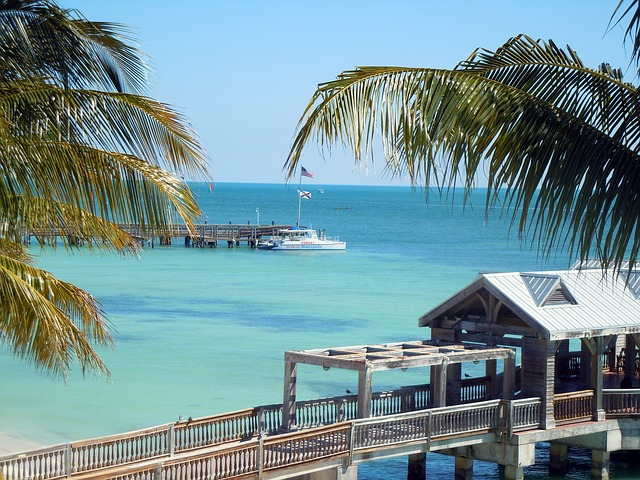
Flagler Beach offers a very different experience from many of Florida’s larger and more heavily commercialized coastal cities. While destinations across South Florida continue expanding with high-rise condos, dense tourism districts, and increasingly crowded beaches, Flagler Beach has maintained a quieter and more relaxed atmosphere that appeals to renters looking for a slower coastal lifestyle.
One of the city’s defining characteristics is its smaller population and strong community feel. Rather than feeling dominated by tourism, much of Flagler Beach remains residential, creating an environment where local businesses, neighborhood restaurants, and longtime residents shape the city’s identity more than large-scale resorts or entertainment developments.
The town is especially known for its laid-back coastal culture. Local seafood restaurants, surf shops, cafes, and small independent businesses line the area instead of major commercial chains. Residents often describe the lifestyle as “Old Florida,” where daily life moves at a slower pace and beach access is part of everyday living rather than a vacation experience.
Another major advantage for renters is the accessibility of the coastline itself. Unlike some Florida beach communities where private developments and resort infrastructure limit access, Flagler Beach still provides convenient direct beach access throughout much of the city. This allows residents to enjoy the ocean without dealing with the intense tourism crowds commonly found in larger beach destinations.
The city also benefits from its location between larger Florida hubs. Residents can remain close enough to employment centers, shopping, healthcare, and entertainment in nearby cities while still returning home to a quieter residential setting. That balance has become increasingly attractive for retirees, remote workers, and renters relocating from more expensive coastal markets.
For many renters, affordability plays a major role as well. While rental prices have increased across Florida in recent years, Flagler Beach often remains more attainable than many South Florida coastal communities. Renters seeking ocean views, beach proximity, and a relaxed atmosphere frequently find they can access a coastal lifestyle here without the extremely high housing costs associated with cities farther south.
According to Apartments.com, Flagler Beach continues to attract renters looking for a quieter seaside lifestyle while remaining within driving distance of larger employment and entertainment areas. The platform describes the city as a quiet seaside community with cozy local dining, residential neighborhoods, and direct access to miles of oceanfront beaches.
As more Florida renters prioritize lifestyle, flexibility, and affordability over dense urban living, Flagler Beach continues to stand out as a coastal market offering something increasingly difficult to find in the state: a true beach-town atmosphere that still feels local, residential, and connected to the community.

How Affordable Is It Compared to Other Coastal Florida Markets?
Affordability along Florida’s coastline has become increasingly difficult to find in recent years. As migration into the state accelerated and housing demand surged, many beach communities experienced dramatic increases in both home prices and rental costs. However, compared to many well-known coastal markets across the state, Flagler Beach still remains noticeably more affordable.
While prices have certainly risen compared to pre-pandemic levels, the area continues to offer renters a coastal lifestyle at a lower price point than many larger beachfront cities in Florida.
Recent rental data shows average rents in the Flagler Beach area generally ranging between approximately $1,700 and $2,300 per month depending on the property type, square footage, amenities, and distance from the ocean. Waterfront homes and premium condos can still command significantly higher prices, but many standard apartments and residential rentals remain below the costs commonly seen in South Florida and other major coastal regions.
In comparison, renters searching in markets such as Miami, Fort Lauderdale, Boca Raton, Naples, or parts of Tampa Bay frequently encounter monthly rents exceeding $3,000 to $5,000 for properties offering similar beach access or living space.
The affordability gap becomes even more noticeable when renters compare overall value rather than rent alone. In Flagler Beach and surrounding areas, renters often receive:
More living space per dollar
Easier parking availability
Less traffic congestion
Quicker access to beaches
Lower population density
A quieter residential environment
For many residents, those quality-of-life differences are just as important as the rental price itself.
Nearby inland communities such as Palm Coast have also contributed to the region’s growing popularity. Renters who are willing to live a short drive from the beach can often find even more affordable housing options while still remaining only minutes from the Atlantic coastline. This creates flexibility for people who want coastal access without paying premium oceanfront prices.
As a result, the broader Flagler County area has increasingly attracted several groups of renters seeking alternatives to higher-cost Florida markets. Remote workers relocating from larger metropolitan areas often view the region as an opportunity to maintain a beach-oriented lifestyle while reducing monthly housing expenses. Retirees are drawn to the slower pace and lower density compared to many crowded retirement destinations farther south.
Families relocating from high-cost states have also begun exploring the area because it provides a balance of affordability, residential neighborhoods, and access to outdoor recreation. In many cases, renters priced out of South Florida markets are discovering that Flagler County offers a more attainable path to coastal living without sacrificing beach access entirely.
Another major factor is stress reduction. Compared to heavily urbanized coastal regions, Flagler Beach offers a calmer environment with less tourism pressure, fewer crowds, and a more community-focused atmosphere. For many renters, that lower-stress setting has become a meaningful part of the area’s appeal.
Although Florida’s overall housing market remains expensive relative to historical standards, Flagler Beach continues to stand out as one of the coastal communities where renters can still find a combination of affordability, beach proximity, and everyday livability that has become increasingly rare elsewhere in the state.

Why Demand Has Increased
Demand near Flagler Beach has grown significantly over the past several years as broader migration patterns continue reshaping Florida’s housing market. What was once considered a quieter and relatively overlooked coastal area is now attracting increasing attention from renters, retirees, remote workers, and households relocating from more expensive parts of the country.
One of the biggest drivers behind this trend has been Florida’s overall population growth. Since the pandemic, the state has experienced a large influx of new residents seeking warmer weather, lower taxes, lifestyle changes, and greater housing flexibility. As major metro areas became increasingly expensive, many renters began shifting their attention toward secondary coastal markets that still offered relative value.
Flagler Beach has benefited directly from that shift.
Unlike larger Florida cities that experienced rapid high-rise development and severe congestion, Flagler Beach continues to offer a lower-density environment with a more residential and community-oriented atmosphere. For many renters, that balance has become increasingly attractive as crowded urban living becomes more expensive and stressful.
Remote and hybrid work flexibility has also played a major role in expanding demand. Before widespread remote work adoption, many households were forced to prioritize living near major employment centers. Today, a growing number of workers have more freedom to choose locations based on lifestyle preferences rather than commuting distance alone.
That change has opened the door for coastal communities like Flagler Beach to attract residents who may previously have been tied to larger cities. Many remote workers are now prioritizing beach access, quieter neighborhoods, outdoor recreation, and lower housing costs over proximity to downtown office districts.
The appeal of coastal living itself remains another powerful factor. Florida’s beaches continue to attract both long-term residents and people relocating from colder or more expensive regions. However, many traditional beach markets in South Florida and along the Gulf Coast have become financially difficult for middle-income renters.
Compared to those areas, Flagler Beach still offers relative affordability while maintaining direct ocean access and a laid-back lifestyle. For renters seeking a beach-oriented environment without the extremely high monthly costs associated with major coastal cities, the area has become an increasingly practical alternative.
Transportation access has contributed to growth as well. Flagler Beach sits near major regional routes including Interstate 95, allowing residents to travel relatively easily throughout Central and Northeast Florida. Nearby regional airports and access to larger metro areas such as Jacksonville, Daytona Beach, and Orlando also make the area more connected than its small-town atmosphere might initially suggest.
At the same time, Florida’s housing market itself has begun shifting after the intense post-pandemic surge years. During the peak of the market frenzy, inventory shortages across many parts of the state created fierce competition among renters and buyers. In some areas, properties received multiple applications almost immediately, and available rentals became difficult to secure.
More recently, however, inventory levels in several Florida markets have started improving. New construction, slowing migration growth, and moderating demand have helped create a more balanced environment compared to the extreme shortages seen earlier in the decade.
That shift could benefit renters near Flagler Beach. With more housing choices becoming available in parts of Florida, renters may find greater flexibility, improved negotiating power, and more opportunities than they had during the height of the housing boom.
Even so, demand for quieter coastal communities remains strong. As affordability challenges continue affecting larger Florida cities, markets like Flagler Beach are likely to remain attractive for renters seeking a combination of lifestyle, beach access, and relative value that has become harder to find elsewhere along the state’s coastline.

The Trade-Offs Renters Should Understand
While Flagler Beach offers a quieter coastal lifestyle and relative affordability compared to many Florida beach markets, renters should also understand the trade-offs that come with living near the ocean. Like most coastal communities across the state, the area presents both financial and lifestyle considerations that can affect long-term housing decisions.
One of the biggest concerns throughout Florida is the rising cost of insurance. Property insurance premiums have increased sharply across many parts of the state due to hurricane risks, storm damage claims, rebuilding costs, and insurer instability. Although renters do not directly pay homeowners insurance, those costs often influence rental pricing as landlords pass higher ownership expenses into monthly rents.
Coastal exposure also means hurricane and flood risks remain important realities. Properties located close to the ocean or within flood-prone zones may face greater weather-related vulnerabilities during hurricane season. Renters considering waterfront or near-water properties should carefully review flood zones, evacuation requirements, and building resilience features before signing a lease.
Another factor is inventory limitations. Flagler Beach is a relatively small coastal community, which means the number of available rentals directly near the beach can be limited at times. During periods of high demand, competition for desirable ocean-adjacent units may increase quickly, especially for properties offering updated interiors, parking, or direct beach access.
Seasonal tourism fluctuations can also influence daily life. While Flagler Beach is far less crowded than many major Florida destinations, tourism still increases during certain times of the year. Restaurants, beach access points, and local roads may become busier during peak travel seasons, holidays, and special events.
Employment opportunities represent another consideration. Compared to larger metropolitan areas such as Orlando, Tampa, Jacksonville, or South Florida cities, Flagler Beach has fewer major corporate employers and large-scale business districts. Many residents either work remotely, commute to nearby cities, operate local businesses, or rely on industries connected to healthcare, hospitality, construction, and regional services.
Waterfront living itself also carries additional long-term costs beyond rent alone. Florida’s coastal climate can accelerate wear and tear on buildings, vehicles, and infrastructure due to salt air, humidity, storms, and heat exposure. Property owners often face higher maintenance costs related to roofing, corrosion, exterior repairs, and storm preparation, which can indirectly affect rental pricing over time.
Housing experts and insurance analysts continue warning that long-term storm-related expenses and insurance pressures are likely to remain ongoing challenges throughout coastal Florida. As climate risks become a larger part of the housing conversation, both renters and property owners are increasingly paying attention to flood exposure, building codes, and disaster preparedness when evaluating coastal properties.
Lifestyle expectations are important as well. Because Flagler Beach is smaller and more residential than many Florida coastal cities, renters seeking extensive nightlife, luxury shopping districts, upscale entertainment corridors, or large urban amenities may find the area quieter than expected.
However, for many residents, that slower pace is precisely the reason they choose the area.
Rather than dense tourism zones and constant traffic, Flagler Beach offers a calmer environment centered around beach access, local businesses, outdoor recreation, and community-oriented living. For renters looking to escape the stress and high costs of larger coastal cities, those trade-offs are often viewed as worthwhile advantages rather than disadvantages.
Ultimately, living near Flagler Beach is less about luxury urban convenience and more about lifestyle balance. Renters willing to accept the realities of coastal living often find the area provides a level of affordability, peace, and beach accessibility that has become increasingly difficult to find elsewhere in Florida.

Is It Really the Most Affordable Coastal Lifestyle in Florida?
When discussing affordable coastal living in Florida, the answer depends heavily on what renters value most. If affordability alone is the only priority, there are still some smaller Gulf Coast communities and rural beach towns where housing costs may come in lower than Flagler Beach.
However, affordability is only one part of the equation.
What makes Flagler Beach stand out is the balance it offers between housing costs, direct beach access, livability, safety, and overall quality of life. In a state where many oceanfront communities have become increasingly dominated by luxury development, tourism pressure, and rapidly rising housing prices, that balance has become increasingly difficult to find.
Flagler Beach may not have the absolute lowest rents in Florida, but compared to many coastal cities across the state, it continues to provide a relatively attainable path to beach-oriented living for middle-income renters.
That distinction matters.
In many parts of South Florida and along portions of the Gulf Coast, renters now face housing markets where beachfront or near-beach living has become heavily luxury-driven. High-rise developments, resort-style condominiums, rising insurance costs, and investor demand have pushed monthly rents far beyond what many working households can comfortably afford.
By contrast, Flagler Beach still maintains much of its traditional beach-town character. The area offers direct ocean access, lower density, less congestion, and a slower pace of life without requiring the extremely high housing budgets commonly associated with Florida’s more famous coastal destinations.
For renters, the value becomes even clearer when comparing what their monthly budget actually delivers.
In many major coastal markets, renters may pay premium pricing for smaller apartments, limited parking, crowded beaches, and constant traffic. In Flagler Beach and nearby communities, renters often gain more space, easier beach access, and a quieter residential environment while remaining within driving distance of larger employment and entertainment centers.
Nearby inland communities such as Palm Coast strengthen that value proposition even further. Many renters choose to live slightly inland where housing costs can be lower while still remaining only minutes from the ocean. That combination of affordability and proximity has helped make the broader Flagler County region increasingly attractive to retirees, remote workers, relocating families, and renters leaving more expensive states.
Another important factor is long-term livability. Some lower-cost coastal areas outside Florida may offer cheaper housing, but they may lack infrastructure, healthcare access, economic stability, or population growth that supports long-term demand. Flagler Beach benefits from its location along Florida’s Atlantic coast while still remaining connected to larger regional economies and transportation routes.
Safety and community atmosphere also contribute to the area’s growing appeal. Many renters are not simply searching for the cheapest possible location — they are looking for a place where they can realistically build a sustainable lifestyle near the beach without the financial pressures found in larger coastal cities.
That is where Flagler Beach continues to stand out.
It delivers something increasingly rare in Florida’s modern housing market: a genuine beach-town lifestyle that remains attainable for middle-income renters.
As Florida’s larger coastal cities continue becoming more expensive and increasingly luxury-focused, communities like Flagler Beach and nearby Palm Coast may continue emerging as some of the strongest long-term value markets for renters who want coastal living without extreme housing costs.
While no Florida beach town remains truly “cheap” compared to past decades, Flagler Beach still represents one of the more practical and balanced coastal options for renters seeking affordability, lifestyle, and long-term livability in the same place.
Sources
Redfin Housing Market Trends
U.S. News – Remote Work Migration Trends
National Oceanic and Atmospheric Administration (NOAA) Hurricane Resources
U.S. Census Bureau – Flagler County QuickFacts


Comments