Palm Coast's Population Is Booming — Here's What That Means for Rental Availability Right Now
- Maria V.
- May 13
- 11 min read
Palm Coast has become one of Florida’s fastest-growing cities, and that rapid population growth is beginning to reshape the local rental market in significant ways.
Once considered a quieter and more affordable alternative to larger Florida coastal cities, Palm Coast has attracted a steady wave of new residents over the past several years. Retirees, remote workers, families relocating from more expensive states, and buyers priced out of South Florida have all contributed to the city’s expansion.
According to recent population estimates, Palm Coast’s population has grown by more than 28% since 2020, with annual growth approaching 4% in 2025 and 2026.
That level of growth creates both opportunity and pressure — especially for renters.

Why So Many People Are Moving to Palm Coast
Over the past several years, Palm Coast has quietly become one of Florida’s fastest-growing residential markets. Once considered a smaller coastal community between Daytona Beach and St. Augustine, the city is now attracting a steady wave of new residents from across the United States.
The migration trend accelerated during and after the pandemic, but demand for the area continues in 2025 as more households search for affordability, space, and lifestyle advantages that have become harder to find in many larger Florida metros.
One of the biggest reasons people are relocating to Palm Coast is housing affordability. Compared to expensive South Florida markets such as Miami, Fort Lauderdale, and Boca Raton, Palm Coast still offers relatively lower home prices, larger lots, and newer residential developments. For buyers and renters priced out of major coastal cities, the area represents an opportunity to maintain a Florida lifestyle without facing the same level of housing costs.
Another major attraction is location. Palm Coast provides close access to Atlantic beaches, golf courses, parks, nature preserves, and outdoor recreation while remaining less crowded than many larger beach communities. Residents can enjoy boating, fishing, hiking, and waterfront living without the intense traffic and density commonly associated with South Florida.
Remote work has also played a significant role in Palm Coast’s growth. As more companies allow flexible or hybrid work arrangements, many professionals are no longer required to live near expensive urban job centers. Palm Coast has benefited from this shift because it offers a quieter suburban environment while still providing access to larger regional economies. The city sits within driving distance of both Orlando and Jacksonville, making it appealing for commuters, remote workers, and business travelers alike.
Newer housing inventory has further supported the migration trend. Compared to older Florida coastal communities with limited available land, Palm Coast continues expanding with new subdivisions, rental communities, and residential construction. Many newcomers are drawn to modern homes, planned neighborhoods, and comparatively lower maintenance costs.
A significant portion of new residents are relocating from higher-cost states including New York, New Jersey, Pennsylvania, and Illinois. Rising taxes, expensive housing markets, cold weather, and lifestyle changes have encouraged many households to move south, continuing a broader migration pattern that has benefited Florida for years.
At the same time, rapid population growth is creating challenges. Local residents and online community discussions increasingly describe Palm Coast as “growing fast,” with concerns about traffic, infrastructure, school capacity, healthcare access, and the pace of development. Housing demand has remained strong, but many residents believe infrastructure expansion is struggling to fully keep pace with the city’s population growth.
Even with those growing pains, Palm Coast continues attracting attention because it offers something many buyers and renters still want: coastal Florida living at a price point that remains more accessible than many other waterfront markets in the state.

What This Means for Rental Availability in Palm Coast
As population growth continues accelerating in Palm Coast, many renters are asking an important question: will rental availability keep up with demand?
Compared to many larger Florida coastal markets, the answer — at least for now — appears to be yes.
One of Palm Coast’s biggest advantages is that the city still maintains more rental availability than highly competitive markets across South Florida. During the peak of the pandemic housing boom, cities such as Miami, Fort Lauderdale, and Boca Raton experienced extremely low vacancy rates, bidding wars for rentals, and rapid rent increases driven by intense migration demand.
Palm Coast has seen rising demand as well, but the market has benefited from a growing supply of housing inventory and rental listings over the past year. New construction, expanding residential developments, and additional rental communities have helped create more options for renters entering the market.
According to housing market data from Realtor.com, inventory levels in Palm Coast have increased significantly compared to previous years. That increase in supply is helping reduce some of the pressure that many Florida renters experienced during the height of the housing surge.
For renters, this means there is generally less competition for available properties compared to some larger coastal metros. In many cases, renters have more time to compare listings, negotiate lease terms, and search across different neighborhoods without the same urgency seen in tighter markets.
However, rental availability varies heavily depending on price range and property type.
Higher-end single-family homes and newer luxury rentals often remain available longer because they serve a smaller renter pool. Meanwhile, affordable rentals in lower and mid-range price categories tend to experience stronger competition due to continued population growth and affordability pressures across Florida.
Well-priced homes in desirable neighborhoods can still move quickly, especially properties offering newer construction, larger layouts, or proximity to beaches, schools, and major commuter routes.
Another factor shaping availability is continued migration into the area. Many newcomers arriving from states such as New York, New Jersey, Pennsylvania, and Illinois are seeking lower living costs and more space than they can find in larger metropolitan areas. That steady demand continues supporting Palm Coast’s rental market even as inventory rises.
Local residents increasingly describe the city as growing rapidly, and long-term housing availability will likely depend on how quickly infrastructure, development, and new housing supply continue expanding alongside population growth.
For now, though, Palm Coast remains in a relatively favorable position compared to many Florida coastal cities — offering renters a combination of improving inventory, less extreme competition, and comparatively better overall availability.

Mid-Range and Higher-End Rentals Are Easier to Find in Palm Coast
One of the biggest shifts in the Palm Coast rental market over the past few years has been the increase in availability for mid-range and higher-end rentals.
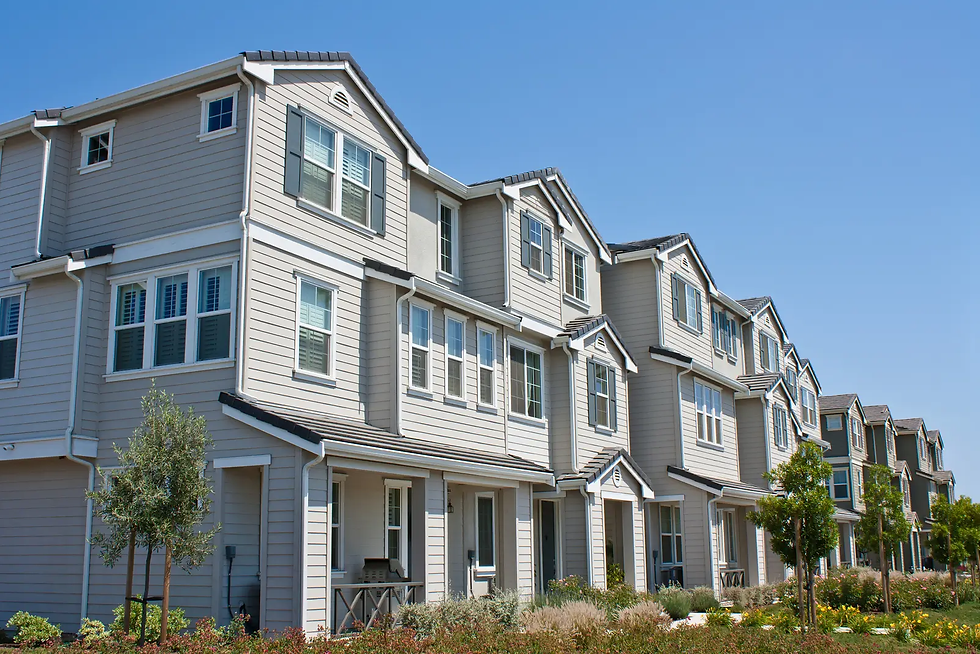
As new construction continues expanding across the city, developers have added more single-family rental homes, build-to-rent communities, and modern apartment complexes to the local housing supply. That additional inventory has helped create more choices for renters searching beyond the entry-level market.
Compared to the extreme housing shortages seen during the height of the pandemic migration boom, renters today generally face less competition in many mid-tier price ranges.
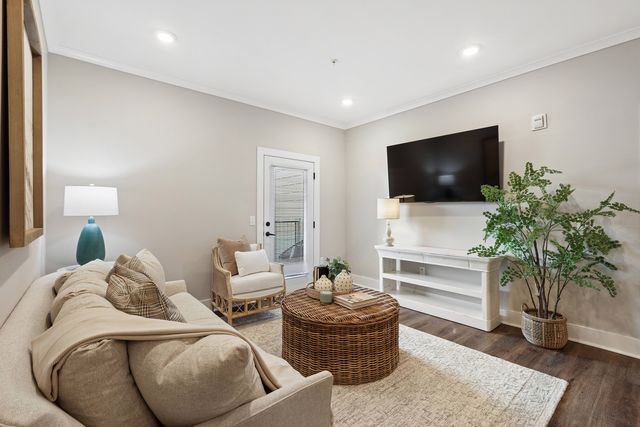
In particular, renters searching between roughly $1,700 and $2,300 per month now tend to have more available options than they did two or three years ago. This price range often includes newer apartments, upgraded townhomes, and modern single-family homes with larger floor plans, garages, and suburban-style amenities.
The increase in supply reflects Palm Coast’s broader residential expansion. Unlike many fully built-out South Florida coastal cities, Palm Coast still has room for continued suburban development, allowing builders to deliver newer housing inventory at a faster pace.
Average rental pricing in Palm Coast currently sits around the upper-$1,600s to low-$2,000s depending on the source, neighborhood, and property type. Single-family homes and newer luxury units typically command higher monthly rents, while older apartments and smaller units remain somewhat more affordable.
Demand, however, is not evenly distributed across the city.
Certain neighborhoods continue attracting significantly stronger renter interest, particularly areas with newer construction, higher-rated schools, convenient shopping access, and proximity to major commuter routes such as Interstate 95. Properties located near retail centers, healthcare facilities, parks, and coastal access points also tend to lease more quickly.
Many renters relocating from higher-cost states such as New York, New Jersey, Pennsylvania, and Illinois continue viewing Palm Coast as relatively affordable compared to larger metropolitan and coastal markets.
At the same time, the growing supply of newer rentals is helping stabilize the market compared to the intense competition renters faced during earlier migration surges. While well-priced homes in desirable neighborhoods still move quickly, renters today generally have more flexibility, more inventory to compare, and a wider range of housing choices across the mid-range and upper-tier market segments.
Affordable Rentals Remain Limited in Palm Coast
Although rental inventory in Palm Coast has improved over the past year, affordability remains one of the market’s biggest challenges.
New construction and expanding development have added more housing supply across the city, but much of that growth has focused on newer single-family homes, higher-end apartments, and mid-range rental communities rather than deeply affordable housing options.
As a result, many renters searching for lower-cost units continue facing significant competition despite the broader increase in listings.
Housing studies across Florida consistently show that affordable rental housing is disappearing faster than new affordable units are being built. Rising land costs, construction expenses, insurance rates, and financing costs have made it more profitable for developers to focus on higher-priced projects instead of lower-income housing.
That trend is visible in Palm Coast as well.
Renters searching above the market average often have more choices today than they did during the peak pandemic migration years. New apartment communities, suburban developments, and build-to-rent neighborhoods have expanded options for households with larger budgets.
However, renters with tighter budgets — especially those seeking units below average market rents — still face a much more competitive environment.
Well-priced apartments and homes in lower price ranges frequently attract multiple applicants, lease quickly, and remain difficult to secure. Many lower- and moderate-income renters continue struggling with rising housing costs even as inventory grows in other parts of the market.
This has created a clear split within the local rental landscape:
Higher-income renters are increasingly finding more available choices
Lower- and moderate-income renters continue facing affordability pressure
The divide reflects a broader issue affecting many Florida housing markets. While overall supply may be improving, the type of housing being added often does not fully match the needs of renters seeking lower monthly costs.
In Palm Coast, this means the market can appear balanced on the surface while affordability challenges remain significant underneath. A renter searching for a newer home or upscale apartment may have multiple options available, while someone searching for a lower-cost unit may still encounter limited availability and intense competition.
As population growth continues and migration into Florida remains strong, long-term affordability will likely depend on whether future development includes a greater mix of workforce and affordable housing alongside higher-end residential construction.
A More Balanced Market Is Emerging in Palm Coast
After several years of rapid price growth and intense competition, the housing market in Palm Coast is beginning to look far more balanced than it did during the pandemic boom years.
In 2021 and 2022, Florida’s housing market experienced unusually frenzied conditions. Homes sold quickly, bidding wars became common, rental inventory tightened dramatically, and both buyers and renters often felt pressured to make fast decisions before prices climbed even higher.
That environment has changed significantly.
Across Florida, housing inventory has generally increased, homes are staying on the market longer, and buyers have become more cautious due to elevated mortgage interest rates, rising insurance premiums, and broader affordability concerns.
Palm Coast reflects many of those same trends.
The city continues attracting new residents, but the pace of competition has eased compared to the peak migration years. More housing inventory, expanding residential development, and slower buyer activity have helped create conditions that feel less overheated and more stable overall.
That shift is also affecting the rental market.
During the height of the housing surge, many property owners expected rents to continue climbing rapidly year after year. In today’s market, however, landlords in some segments are competing more aggressively for tenants as renters gain more options and become increasingly price-sensitive.
Rent growth in Palm Coast has slowed considerably compared to the sharp spikes seen during the pandemic-era housing boom. In certain neighborhoods and property categories, asking rents have even softened modestly as supply improves and competition eases.
For renters, these changes are meaningful.
Compared to previous years, many renters now have:
More negotiating power during lease discussions
Slightly better overall inventory selection
Less pressure to commit immediately
More opportunity to compare neighborhoods, pricing, and amenities
Rather than rushing to secure the first available property, renters in many price ranges can now spend more time evaluating options across different parts of the city.
This does not mean Palm Coast has become an inexpensive or oversupplied market. Affordable housing challenges still exist, and well-priced properties in desirable neighborhoods can continue moving quickly. However, the extreme imbalance that defined the pandemic years has begun to ease.
Many local observers now describe the market as transitioning toward a healthier equilibrium where neither buyers, landlords, nor renters hold overwhelming control.
As Florida’s broader housing market continues adjusting to higher financing costs and slower price growth, Palm Coast increasingly appears to be moving away from crisis-level competition and toward a more sustainable long-term housing environment.
What Renters Should Expect Going Forward in Palm Coast
As Palm Coast continues evolving from a quieter coastal community into one of Florida’s fastest-growing residential markets, renters are entering a housing environment that looks very different from the intense conditions seen just a few years ago.
Most signs suggest Palm Coast is unlikely to stop growing anytime soon.
The city continues attracting new residents because it still offers a combination that has become increasingly difficult to find elsewhere in Florida: relative affordability, coastal access, suburban-style space, and newer housing inventory at price points generally below many larger beach markets.
Compared to highly competitive areas in South Florida, Palm Coast remains more accessible for many renters and relocating households. Its location between Jacksonville and Orlando, along with continued remote-work flexibility, has further strengthened migration into the region.
That ongoing population growth will likely keep long-term housing demand elevated.
However, one major difference compared to the pandemic housing boom is that inventory is also expanding. New residential developments, apartment communities, and build-to-rent neighborhoods continue adding supply to the local market, helping reduce some of the extreme pressure renters previously faced.
While Palm Coast is still an active housing market, the conditions now appear far more balanced than they were during 2021 and 2022.
The most likely near-term outcome is a market that remains competitive but increasingly stable, with several key trends shaping the rental landscape:
Rental supply gradually improving as new projects enter the market
Rent growth moderating compared to pandemic-era spikes
Competition remaining strongest for affordable and lower-priced units
Continued construction reshaping neighborhoods and expanding housing choices
For many renters, this creates a more manageable environment than the one that existed during the peak migration frenzy. Rather than rushing into leases immediately out of fear that inventory will disappear overnight, renters today often have more time to compare pricing, evaluate neighborhoods, and search for properties that better match their budgets and lifestyle preferences.
That flexibility is especially important in a market where conditions can vary widely by neighborhood and price range. Newer homes and mid-range rentals have become easier to find in some areas, while affordable housing remains far more constrained.
Palm Coast still faces long-term challenges related to infrastructure, traffic, affordability, and population growth. But compared to many Florida coastal cities where inventory remains extremely tight and pricing pressure remains intense, the city currently offers renters a more balanced environment overall.
For renters considering Palm Coast in 2025 and 2026, timing may matter less than it did during the height of the housing frenzy. The market now provides more options, more negotiating room, and a greater sense of stability than many renters experienced just a few years ago.
Sources
Florida Housing Coalition Reports


Comments