Understanding Flood Zones and Renter's Insurance in Palm Coast and Deerfield Beach
- Maria V.
- 14 hours ago
- 15 min read
Target Keyword: flood zone rentals South Florida
When searching for rental properties in Florida, many renters focus on location, amenities, and monthly costs. However, understanding flood risk is equally important, especially in coastal communities such as Palm Coast and Deerfield Beach. Flooding can occur from hurricanes, tropical storms, heavy rainfall, and storm surge events, making flood preparedness an important part of renting in Florida.
This guide explains FEMA flood zone designations, why renters should consider flood insurance, what standard renter's insurance policies typically exclude, and how to check a property's flood zone before signing a lease.

Why Flood Zones Matter for Renters
Many renters assume flood concerns only affect homeowners. In reality, flooding can have a significant impact on tenants as well. Floodwaters can damage personal belongings, force temporary relocation, and create unexpected expenses regardless of who owns the building.
A common misconception is that a landlord's insurance policy protects everyone living in the property. While landlords typically carry insurance for the structure itself, that coverage generally does not extend to a tenant's personal possessions. If a flood damages or destroys personal property, renters are often responsible for replacing those items themselves.
Items commonly at risk during a flood include:
Furniture
Electronics
Clothing
Appliances owned by the renter
Personal valuables
For renters in Palm Coast, Deerfield Beach, and other coastal Florida communities, understanding flood risk is an important part of choosing a rental property. Properties located in higher-risk flood zones may face a greater likelihood of flooding during hurricanes, tropical storms, heavy rainfall events, or seasonal weather patterns.
Flooding can create financial challenges that go beyond damaged belongings. Renters may need to pay for temporary housing, transportation, storage, and replacement items while repairs are being completed. These costs can add up quickly, especially if a flood affects an entire neighborhood.
Knowing a property's flood zone designation before signing a lease can help renters make informed decisions about risk, insurance needs, and emergency preparedness. Even properties outside of high-risk flood zones can experience flooding due to heavy rain, drainage issues, or storm-related events.
By understanding local flood zones and evaluating available insurance options, renters can better protect their finances and personal property while enjoying the benefits of living in Florida's coastal communities.
Understanding FEMA Flood Zone Designations
The Federal Emergency Management Agency (FEMA) maps flood risks throughout the United States using Flood Insurance Rate Maps (FIRMs). These maps divide properties into different flood zones based on their estimated flood risk and help property owners, renters, lenders, and insurance providers understand the likelihood of flooding in a particular area.
Flood zone designations do not guarantee that flooding will or will not occur. Instead, they provide a standardized way to assess risk based on historical data, rainfall patterns, storm surge potential, topography, and other environmental factors.
For renters in coastal Florida communities such as Palm Coast and Deerfield Beach, understanding FEMA flood zones can provide valuable insight into potential flood exposure before signing a lease.

Common FEMA Flood Zones
Zone X (Low to Moderate Risk)
Zone X areas are considered to have a lower risk of flooding. These properties are located outside the Special Flood Hazard Area (SFHA), which means they are less likely to experience flooding during a typical year.
While flood insurance is not usually required by lenders in Zone X areas, flooding can still occur due to heavy rainfall, drainage problems, hurricanes, or unexpected weather events. In fact, FEMA reports that many flood insurance claims come from properties located outside high-risk flood zones.
Zone AE (High Risk)
Zone AE is one of the most common high-risk flood zones. Properties in this zone have at least a 1 percent annual chance of flooding, often referred to as the "100-year floodplain."
FEMA provides a Base Flood Elevation (BFE) for Zone AE properties, indicating the expected water elevation during a major flood event. Buildings in these areas may be subject to specific construction and floodplain management requirements.
Zone VE (Coastal High Hazard Area)
Zone VE represents some of the highest flood risks in coastal regions. These areas face both flooding and wave action from storms and hurricanes.
Properties located in Zone VE are often situated near beaches, coastal waterways, or areas vulnerable to storm surge. Because of the increased risk, construction standards and insurance considerations are typically more stringent than in other flood zones.
Other Flood Zones
Additional FEMA flood zones may include:
Zone A: High-risk areas where detailed flood elevation data may not yet be available.
Zone AH: Areas with shallow flooding, typically caused by ponding water.
Zone AO: Areas subject to shallow sheet-flow flooding.
Zone D: Areas where flood risks have not been fully studied or determined.
Why Flood Zones Matter to Renters
Flood zone information can help renters evaluate potential risks before moving into a property. A rental located in a higher-risk flood zone may face greater exposure to storm surge, heavy rainfall flooding, or hurricane-related water damage.
Understanding a property's flood zone can also help renters determine whether flood insurance may be a worthwhile investment for protecting personal belongings and reducing financial risk.
While flood zone maps are an important planning tool, renters should remember that flooding can occur in virtually any location under the right conditions. Reviewing flood risk alongside factors such as building elevation, drainage systems, and local flood history can provide a more complete picture of a property's overall risk profile.
High-Risk Flood Zones
FEMA classifies certain areas as high-risk flood zones based on their likelihood of experiencing flooding during a major storm event. Properties located within these zones face a greater risk of flood damage and may be subject to additional building requirements, floodplain regulations, and insurance considerations.
For renters in coastal Florida communities such as Palm Coast and Deerfield Beach, understanding high-risk flood zones can provide valuable insight when evaluating rental properties and planning for potential flood-related expenses.
Zone A
Zone A properties are considered high-risk flood areas. These locations have at least a 1 percent annual chance of flooding, commonly known as the "100-year floodplain." While a 1 percent annual risk may seem small, it represents a significant cumulative risk over time.
In many Zone A areas, detailed flood elevation studies have not yet been completed. As a result, Base Flood Elevation (BFE) information may not be available. Property owners and renters in these zones should be aware that flooding can occur during hurricanes, tropical storms, heavy rainfall events, and other severe weather conditions.
Zone AE
Zone AE is one of the most common high-risk flood designations. Like Zone A, these properties have at least a 1 percent annual chance of flooding. However, Zone AE areas include detailed flood studies and established Base Flood Elevation data.
The availability of flood elevation information allows communities, developers, and property owners to better understand flood risks and implement construction standards designed to reduce potential flood damage. For renters, a property's elevation relative to the Base Flood Elevation can be an important factor when assessing flood exposure.
Zone VE
Zone VE represents some of the highest-risk flood zones in the United States, particularly in coastal regions. These areas face the combined threat of flooding, storm surge, and damaging wave action during hurricanes and major coastal storms.
Properties located in Zone VE are often found along beaches, barrier islands, and waterfront areas. Because of the elevated risk, buildings in these zones are generally required to meet stricter construction and elevation standards. Flood insurance costs may also be higher due to the increased potential for severe flood damage.
For renters considering properties near Florida's coastline, understanding whether a rental is located in a Zone VE area can help inform decisions about insurance coverage, emergency planning, and overall flood preparedness.
Why High-Risk Flood Zones Matter
Living in a high-risk flood zone does not mean flooding is guaranteed. However, it does indicate a statistically greater chance of experiencing flood-related damage over time. Renters should understand their property's flood zone designation and consider whether additional flood insurance coverage is appropriate for protecting personal belongings.
By reviewing flood zone information before signing a lease, renters can make more informed housing decisions and better prepare for Florida's unique weather and coastal flood risks.
Moderate-Risk and Low-Risk Flood Zones
While much attention is given to high-risk flood zones, renters should also understand moderate-risk and low-risk flood areas. Flooding is not limited to properties located in designated high-risk zones. Heavy rainfall, hurricanes, tropical storms, drainage failures, and localized flooding can affect properties in a wide range of locations.
Understanding the differences between moderate-risk and low-risk flood zones can help renters make informed decisions about housing, insurance, and emergency preparedness.
Moderate-Risk Flood Zones
Zone X (Shaded)
Shaded Zone X areas are classified as moderate-risk flood zones. These properties are located outside the Special Flood Hazard Area (SFHA) but may still be exposed to flooding under certain conditions.
Moderate-risk areas typically include locations that have a lower probability of flooding than Zone A or Zone VE properties. However, flooding can still occur during severe weather events, unusually heavy rainfall, tropical storms, or hurricanes.
Renters living in Shaded Zone X areas may assume flood insurance is unnecessary because the risk is lower than in high-risk zones. However, even moderate-risk properties can experience costly water damage, making it worthwhile to evaluate available flood insurance options and review local flood history.
Low-Risk Flood Zones
Zone X (Unshaded)
Unshaded Zone X areas are considered low-risk flood zones. These properties are located outside both high-risk and moderate-risk flood areas and generally have the lowest estimated probability of flooding according to FEMA flood maps.
Despite the lower risk designation, low-risk does not mean no risk. Flooding can occur almost anywhere when severe weather conditions overwhelm drainage systems, rivers, canals, retention ponds, or stormwater infrastructure.
According to FEMA and the National Flood Insurance Program, a significant percentage of flood insurance claims originate from properties located outside high-risk flood zones. This highlights the importance of understanding that flood risk exists even in areas considered relatively safe from flooding.
Why Renters Should Pay Attention to All Flood Zones
For renters in coastal Florida communities such as Palm Coast and Deerfield Beach, flood zone information should be viewed as one part of a broader risk assessment. Factors such as elevation, proximity to waterways, storm surge exposure, drainage capacity, and local flood history can all influence a property's vulnerability to flooding.
Before signing a lease, renters should consider reviewing the property's FEMA flood zone designation, discussing flood history with the property owner or manager, and evaluating whether flood insurance coverage may help protect personal belongings. Taking these steps can reduce financial risk and improve preparedness during Florida's hurricane and rainy seasons.

Flood Risks in Palm Coast and Deerfield Beach
Flood risk is an important consideration for renters throughout Florida, especially in communities located near waterways, wetlands, and coastal areas. While flood exposure varies from property to property, understanding local flood risks can help renters make informed housing decisions and better protect their personal belongings.
Both Palm Coast and Deerfield Beach have unique geographic characteristics that can contribute to flooding under certain weather conditions.
Flood Risks in Palm Coast
Located along Florida's northeast coast, Palm Coast features an extensive network of canals, wetlands, retention ponds, and access to the Intracoastal Waterway. These natural and man-made water systems help manage stormwater, but they can also contribute to localized flooding during periods of heavy rainfall.
Tropical storms, hurricanes, and prolonged rain events may increase flood concerns in some neighborhoods, particularly those located near low-lying areas or waterways. Flood risk can vary significantly depending on a property's elevation, drainage infrastructure, and proximity to water.
Renters considering a property in Palm Coast should review local flood maps and investigate whether the home is located within a FEMA-designated flood zone.
Flood Risks in Deerfield Beach
Deerfield Beach faces a different set of flood-related challenges due to its location along Florida's Atlantic coastline. Coastal communities are exposed to potential flooding from storm surge, king tides, heavy rainfall, and drainage system overflow during major weather events.
Properties located near the beach, coastal waterways, canals, or lower-elevation areas may experience elevated flood risks during hurricanes and severe storms. In addition, intense rainfall can sometimes overwhelm drainage systems, resulting in temporary street flooding and localized water accumulation.
As with Palm Coast, flood risk in Deerfield Beach can vary considerably from one neighborhood to another. Two properties located only a few blocks apart may have very different flood zone designations and flood exposure levels.
Why Renters Should Check Flood Zones
Because flood risk is highly location-specific, renters should never assume that all properties within a city face the same level of risk. Reviewing a property's FEMA flood zone designation can provide valuable insight into potential flood exposure before signing a lease.
Understanding flood risk allows renters to:
Evaluate potential exposure to flooding.
Determine whether flood insurance may be beneficial.
Better protect personal belongings.
Prepare for severe weather events.
Make informed rental decisions.
Whether renting in Palm Coast, Deerfield Beach, or any other Florida community, taking time to review flood maps and local flood history can help reduce surprises and improve long-term financial protection.

What Standard Renter's Insurance Typically Excludes
Many renters assume that a standard renter's insurance policy protects them against all forms of water damage. In reality, most renter's insurance policies distinguish between certain types of water-related incidents and flooding. Understanding this difference is essential, particularly for renters living in coastal Florida communities such as Palm Coast and Deerfield Beach.
While renter's insurance can provide valuable protection for personal belongings, liability, and additional living expenses under certain circumstances, flood damage is typically excluded from standard policies.
Flood Damage Is Usually Not Covered
Most standard renter's insurance policies do not cover flooding caused by rising water that enters a property from outside the building. Insurance companies generally classify these events as flood-related losses, which require separate flood insurance coverage.
Typical flood-related exclusions often include:
Storm surge flooding
Overflow from rivers, canals, streams, or lakes
Coastal flooding
Flash flooding caused by heavy rainfall
Surface water entering the property from outside
Water intrusion resulting from widespread flooding events
If personal belongings are damaged or destroyed by one of these events, a standard renter's insurance policy will often not provide reimbursement.
What May Be Covered
Although flood damage is typically excluded, renter's insurance may cover certain types of water damage that originate from inside the building or result from a sudden and accidental event.
Examples that may be covered, depending on policy terms and conditions, include:
Burst or frozen pipes
Accidental overflow from plumbing fixtures
Sudden water discharge from appliances
Certain water damage resulting from covered building system failures
Coverage varies among insurance providers and policy types. Policy limits, exclusions, deductibles, and specific circumstances can all affect whether a claim is approved.
Why Separate Flood Insurance May Be Important
For renters living in areas with potential flood exposure, separate flood insurance may help protect personal belongings from losses that standard renter's insurance does not cover. Flood insurance policies are available through the National Flood Insurance Program (NFIP) and, in some cases, through private insurance providers.
Because flooding can occur in both high-risk and low-risk flood zones, renters should evaluate their property's location, flood history, and personal financial situation when considering additional coverage.
Review Your Policy Carefully
Insurance policies can vary significantly between providers. Renters should carefully review their policy documents to understand what is and is not covered. If any coverage details are unclear, it is advisable to speak directly with an insurance agent or provider for clarification.
Understanding coverage limitations before a flood occurs can help prevent unexpected financial losses and provide greater peace of mind during Florida's hurricane and rainy seasons.
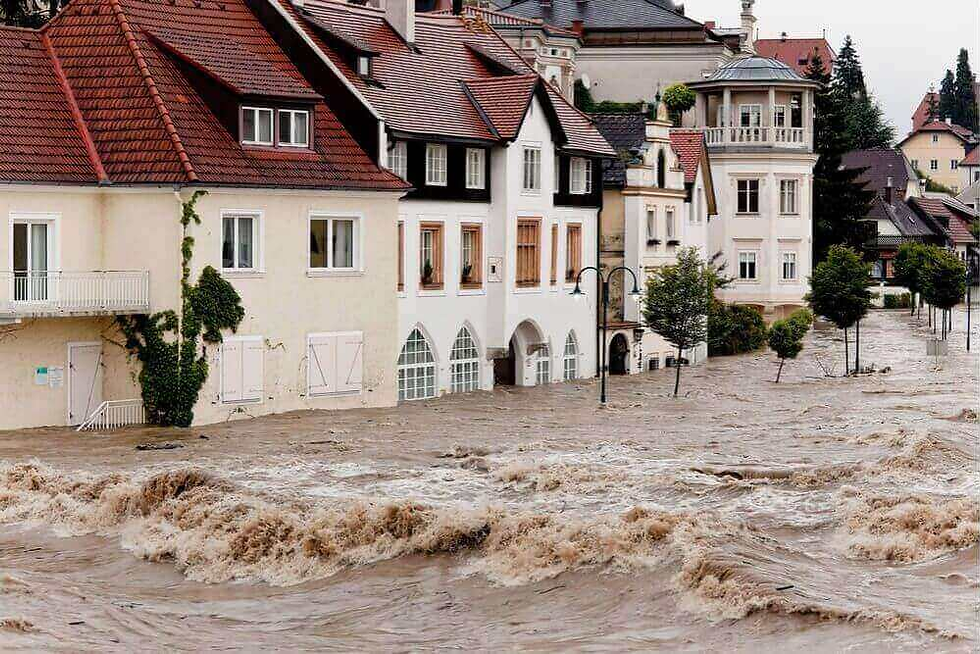
Why Renters Should Consider Flood Insurance
Many renters assume flood insurance is only necessary for homeowners. However, renters can also experience significant financial losses when flooding damages personal belongings. Since standard renter's insurance policies typically exclude flood-related damage, flood insurance may provide an important layer of protection for tenants living in flood-prone or weather-sensitive areas.
For renters in Palm Coast, Deerfield Beach, and other Florida communities, flood insurance can help reduce the financial impact of unexpected flooding events.
Protection for Personal Property
One of the primary benefits of flood insurance is protection for personal belongings. Flood insurance policies designed for renters can help cover the repair or replacement of covered possessions damaged by flooding.
Items that may be eligible for coverage include:
Furniture
Electronics
Clothing
Household goods
Personal belongings stored within the rental unit
Without flood insurance, replacing these items after a flood could require substantial out-of-pocket expenses.
Affordable Coverage Options
Flood insurance for renters is often more affordable than flood insurance for homeowners. This is because renters generally insure only the contents of the property rather than the building structure itself.
Premium costs vary based on factors such as location, flood risk, coverage limits, and policy type. Even so, many renters find that contents-only flood coverage provides valuable protection at a relatively reasonable cost.
Increased Financial Security
Flood damage can create significant financial challenges. Replacing furniture, electronics, clothing, and other household items can quickly become expensive, especially after a major storm or flood event.
Flood insurance can help reduce these unexpected expenses and provide financial support during the recovery process. Having coverage in place may also help renters recover more quickly after a disaster by reducing the burden of replacing essential belongings.
Peace of Mind During Hurricane Season
Florida experiences annual hurricane and tropical storm seasons that can bring heavy rainfall, storm surge, and localized flooding. Even properties outside high-risk flood zones may experience flood-related damage during severe weather events.
Flood insurance can provide added peace of mind by helping renters prepare for the unexpected. Knowing that personal belongings have financial protection can make hurricane season less stressful and improve overall preparedness.
How to Check a Rental Property's Flood Zone
Before signing a lease, renters should take time to understand the flood risk associated with a property. Fortunately, several resources are available to help determine a property's flood zone designation.
FEMA Flood Map Service Center
The FEMA Flood Map Service Center allows users to search by address and view official flood zone information. These maps identify whether a property is located within a high-risk, moderate-risk, or low-risk flood area.
Reviewing FEMA flood maps is one of the most reliable ways to assess flood exposure before renting a property.
Local Government Resources
Many counties and municipalities maintain floodplain management departments, geographic information systems (GIS), and online mapping tools that provide additional flood-risk information.
Local planning, engineering, or emergency management offices may also offer resources related to drainage systems, flood history, and flood mitigation projects within the community.
Ask the Property Manager or Landlord
Property managers and landlords may already know the property's flood zone designation and can often provide useful information about past flooding events, drainage improvements, or flood-prevention measures.
Renters should not hesitate to ask questions about flood history and any known flood-related concerns before signing a lease agreement.
Consult an Insurance Professional
Insurance agents and flood insurance specialists can help explain flood zone classifications and discuss available coverage options. They can also provide estimates for flood insurance premiums based on the property's location and level of risk.
Speaking with an insurance professional can help renters better understand both their exposure to flood risk and the potential benefits of obtaining flood insurance coverage.
Flooding can affect renters just as much as homeowners. Understanding flood zones, reviewing insurance coverage, and evaluating a property's flood risk are important steps toward protecting personal belongings and avoiding unexpected financial losses.
Whether renting in Palm Coast, Deerfield Beach, or elsewhere in Florida, taking a proactive approach to flood preparedness can provide valuable financial protection and greater peace of mind throughout the year.
Tips for Renters Considering Flood Zone Rentals South Florida
Renting a property in South Florida offers many advantages, including access to beaches, warm weather, and vibrant communities. However, because many areas are located near the coast, waterways, and low-lying terrain, renters should take time to understand potential flood risks before signing a lease.
If you are evaluating flood zone rentals South Florida, a little research can help you make a more informed decision and better protect your personal belongings.
Research the Property's FEMA Flood Zone
One of the first steps renters should take is checking the property's FEMA flood zone designation. FEMA flood maps identify areas with varying levels of flood risk, ranging from low-risk zones to high-risk coastal flood zones.
Knowing whether a property is located in Zone X, AE, VE, or another flood zone can help you better understand the potential exposure to flooding and determine whether additional insurance coverage may be appropriate.
Ask About Previous Flooding
Past flooding can provide valuable insight into a property's flood vulnerability. Ask the property manager or landlord whether the rental unit, building, parking area, or surrounding neighborhood has experienced flooding in the past.
While previous flooding does not guarantee future flooding, it can help renters identify potential concerns that may not be obvious during a property tour.
Review Evacuation Routes and Emergency Plans
South Florida residents should be familiar with local evacuation procedures, particularly during hurricane season. Before moving into a rental property, review evacuation routes, emergency shelters, and local emergency management resources.
Understanding where to go and how to prepare can help reduce stress and improve safety during severe weather events.
Understand Your Insurance Coverage
Many renters are surprised to learn that standard renter's insurance policies typically exclude flood damage caused by rising water from outside the building.
Before signing a lease, review your renter's insurance policy carefully and understand what is covered and what is excluded. If you have questions, consult your insurance provider for clarification.
Obtain a Flood Insurance Quote
If the property is located in a moderate-risk or high-risk flood zone, obtaining a flood insurance quote can help you evaluate the cost of additional protection.
Flood insurance for renters generally covers personal belongings rather than the building itself and is often more affordable than many people expect. Comparing costs and coverage options can help you make an informed decision.
Create a Digital Inventory of Personal Belongings
A digital inventory can simplify the insurance claims process if a flood or other disaster damages your possessions.
Consider photographing or recording:
Furniture
Electronics
Appliances
Jewelry
Collectibles
Important household items
Store receipts, warranty information, and photographs in a secure cloud-based location whenever possible.
Protect Important Documents
Floodwater can quickly destroy paper documents. Store important records in waterproof containers or waterproof document bags to reduce the risk of damage.
Important documents may include:
Passports
Birth certificates
Social Security cards
Insurance policies
Lease agreements
Financial records
Digital backups can provide an additional layer of protection.
Choosing a rental property involves more than evaluating location, price, and amenities. Understanding flood risk is an important part of protecting your finances and personal property.
For anyone considering flood zone rentals South Florida, researching flood zones, reviewing insurance options, and preparing for emergencies can help reduce risk and provide greater peace of mind throughout the year.
Flood awareness is an important part of renting in Florida. Whether you are considering a rental in Palm Coast, Deerfield Beach, or elsewhere along Florida's coast, understanding flood zones can help you make informed decisions.
Flood insurance is often overlooked by renters, yet it can provide valuable protection for personal belongings when severe weather strikes. By checking a property's flood zone, reviewing insurance coverage carefully, and preparing ahead of time, renters can better protect themselves from unexpected flood-related losses.
Source:
Federal Emergency Management Agency (FEMA) Flood Map Service Center: https://msc.fema.gov
FEMA, "Flood Insurance for Renters": https://www.floodsmart.gov
Florida Division of Emergency Management: https://www.floridadisaster.org
Federal Emergency Management Agency, Understanding Flood Risk: https://www.fema.gov/flood-maps
FEMA Flood Zones Overview: https://www.fema.gov/flood-maps
National Flood Insurance Program (NFIP): https://www.fema.gov/flood-insurance
FEMA Floodplain Management Requirements: https://www.fema.gov/floodplain-management
FloodSmart.gov, Understanding Flood Zones and Flood Risk: https://www.floodsmart.gov/understanding-flood-risk-and-flood-zones
Florida Division of Emergency Management: https://www.floridadisaster.org/planprepare/floods/
Federal Emergency Management Agency (FEMA) Flood Map Service Center: https://msc.fema.gov
FEMA Flood Zones and Flood Maps: https://www.fema.gov/flood-maps
FloodSmart.gov, Understanding Flood Risk and Flood Zones: https://www.floodsmart.gov/understanding-flood-risk-and-flood-zones
FEMA, Flood Insurance Facts and Statistics: https://www.fema.gov/flood-insurance
Florida Division of Emergency Management Flood Resources: https://www.floridadisaster.org/planprepare/floods/
Federal Emergency Management Agency (FEMA) Flood Risk Resources
Insurance Information Institute: Flood Insurance and Renters Coverage Information
Federal Emergency Management Agency (FEMA) Flood Risk Resources
Federal Emergency Management Agency (FEMA) Flood Insurance Information
Insurance Information Institute (III) Flood Insurance Resources
Florida Division of Emergency Management Flood Preparedness Resources
Federal Emergency Management Agency (FEMA) Flood Map Service Center: https://msc.fema.gov
FEMA Flood Zones Overview: https://www.fema.gov/flood-maps
National Flood Insurance Program (NFIP): https://www.floodsmart.gov
Broward County Flood Risk Information: https://www.broward.org
Flagler County Floodplain Management Information: https://www.flaglercounty.gov


Comments