Hurricane Prep for Renters Florida: A Complete Hurricane Season Checklist for Deerfield Beach and Palm Coast
- Maria V.
- 4 days ago
- 29 min read
Florida's hurricane season runs from June 1 through November 30, making preparation essential for every renter. Whether you rent an apartment in Deerfield Beach or a single-family home in Palm Coast, having a plan before a storm develops can protect your safety, belongings, and finances.
Unlike homeowners, renters have different responsibilities during hurricane season. Understanding what your landlord must provide, what you are responsible for, and how to prepare in advance can help reduce stress when severe weather approaches.
If you're searching for hurricane prep for renters Florida, this guide provides a practical checklist designed specifically for tenants.
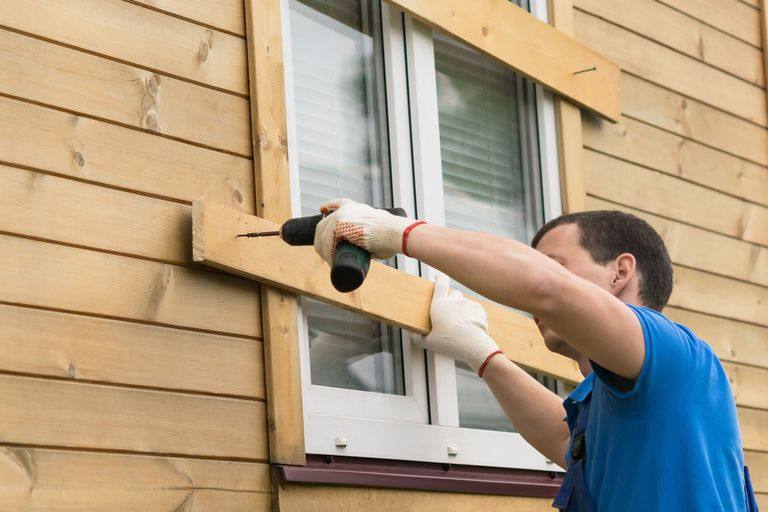
Why Hurricane Preparation Matters for Renters
Target Keyword: hurricane prep for renters Florida
Hurricane season in Florida can bring strong winds, heavy rainfall, flooding, and extended power outages. While homeowners often focus on protecting their property, renters also face significant risks. One of the most common misconceptions is that a landlord's insurance policy will automatically cover a tenant's personal belongings after a storm. In most cases, that is not true.
Understanding your responsibilities and preparing before a hurricane can help protect your finances, reduce stress, and make recovery easier after the storm.
Your Landlord's Insurance Does Not Cover Your Personal Property
A landlord's insurance policy generally protects the rental building itself, including the structure, roof, walls, and certain permanent fixtures. However, it typically does not cover a tenant's furniture, electronics, clothing, appliances, or other personal belongings if they are damaged by a covered event.
For renters, this is where renters insurance becomes valuable. Many renters insurance policies provide coverage for personal belongings and may also help with temporary living expenses if your rental becomes uninhabitable due to a covered loss. Coverage varies by policy, and some hurricane-related damage, especially flooding, may require separate insurance or may not be covered.
Review your insurance policy before hurricane season so you understand what is and is not included.
Avoid Last-Minute Supply Shortages
As a hurricane approaches, stores often experience high demand for essential supplies. Waiting until the last minute may leave you unable to purchase items you need.
Prepare your emergency kit before a storm by including:
Drinking water
Non-perishable food
Flashlights and extra batteries
Portable phone chargers or power banks
First aid supplies
Prescription medications
Pet supplies if applicable
Battery-powered or hand-crank weather radio
Early preparation gives you more choices and reduces unnecessary stress.
Protect Important Documents
Important documents can be difficult and time-consuming to replace after a hurricane.
Keep copies of essential documents such as:
Lease agreement
Renters insurance policy
Driver's license or identification
Passport
Medical records
Financial information
Vehicle registration
Store physical copies in a waterproof container and maintain secure digital backups using encrypted cloud storage or another protected location.
Reduce Property Damage
Although you may not own the building, you can still take steps to minimize damage to your belongings before a storm.
Consider these simple precautions:
Move valuable items away from windows.
Unplug electronics if flooding or power surges are expected.
Bring patio furniture, bicycles, and outdoor decorations indoors if permitted.
Close blinds or curtains to help reduce hazards from broken glass.
Follow your landlord's hurricane preparation instructions for the property.
Small preventive actions may significantly reduce damage during severe weather.
Evacuate Safely If Necessary
Some rental properties are located in evacuation zones or areas vulnerable to storm surge and flooding. If local officials issue an evacuation order, leave promptly and follow the recommended evacuation routes.
Before hurricane season begins:
Know whether your rental is located in an evacuation zone.
Identify multiple evacuation destinations.
Plan transportation if you do not own a vehicle.
Prepare an emergency bag with essential clothing, medications, chargers, identification, and important documents.
Make arrangements for pets well in advance.
Having a plan before an emergency allows you to leave quickly and safely.
Speed Up Insurance Claims After the Storm
Proper documentation can make the insurance claims process much smoother if your belongings are damaged.
Before hurricane season:
Photograph every room in your rental.
Record videos of valuable possessions.
Create a home inventory listing major items with estimated values.
Save receipts for expensive purchases when available.
Store your inventory in cloud storage so it remains accessible if your devices are damaged.
Detailed records help support your insurance claim and may reduce delays during recovery.
Hurricane preparation is not only for homeowners. Renters also have important responsibilities when it comes to protecting their belongings, planning for emergencies, and understanding their insurance coverage.
By preparing early, securing important documents, documenting your possessions, assembling emergency supplies, and knowing when to evacuate, you can reduce financial losses and improve your safety during Florida's hurricane season.
Being proactive today can make recovering from tomorrow's storm much easier.

Landlord Responsibilities During Hurricane Season
Target Keyword: hurricane prep for renters Florida
Hurricane season in Florida can create uncertainty for both landlords and tenants. While renters are responsible for protecting their personal belongings and preparing for evacuation if necessary, landlords also have important obligations related to the safety and habitability of the rental property.
Understanding what your landlord is typically responsible for before and after a hurricane can help you know what to expect and avoid confusion during an emergency.
Maintaining the Property's Structural Condition
Florida landlords are generally responsible for maintaining the structural integrity of the rental property. This responsibility does not end during hurricane season.
Typical responsibilities include:
Maintaining the roof and exterior structure
Repairing storm-related structural damage
Keeping exterior walls, windows, and doors in safe working condition when required under the lease and applicable law
Addressing conditions that make the property unsafe to occupy
If a hurricane causes damage that affects the property's safety or habitability, landlords are generally expected to make necessary repairs within a reasonable time, depending on the extent of the damage and the availability of contractors.
Repairing Essential Building Systems
After a hurricane, landlords are generally responsible for restoring essential building systems that are part of the rental property.
These may include:
Electrical systems
Plumbing systems
Heating, ventilation, and air conditioning (HVAC) systems
Water service, when repairs fall within the landlord's responsibility
Other building infrastructure covered by the lease
Keep in mind that widespread utility outages caused by the storm may be outside the landlord's control until service providers restore power or water.
Addressing Safety Hazards
Following a hurricane, landlords should address conditions that present health or safety risks to tenants.
Examples include:
Roof leaks that could cause additional damage
Broken windows or exterior doors
Fallen tree damage affecting the building
Exposed electrical wiring
Structural instability
Water intrusion that could lead to mold if not promptly addressed
Tenants should report damage as soon as it is safe to do so and document any issues with photographs or videos.
Following the Lease and Florida Law
Every rental agreement is different, but landlords must generally comply with both the lease terms and applicable Florida laws regarding repairs and habitability.
Your lease may outline:
How to report maintenance issues
Emergency contact procedures
Timeframes for requesting repairs
Tenant responsibilities after a storm
Insurance requirements
Reading these provisions before hurricane season can help prevent misunderstandings when severe weather occurs.
Hurricane Preparation Measures
Some landlords take additional steps before an approaching storm, although these measures vary depending on the property type and lease agreement.
Examples may include:
Installing or closing hurricane shutters
Securing outdoor furniture in common areas
Trimming trees or removing loose debris
Inspecting drainage systems
Providing tenants with emergency preparation guidance
These actions are not identical for every rental property, so tenants should not assume that all hurricane preparation tasks will be handled by the landlord.
Follow Property Management Instructions
If your landlord or property management company provides hurricane preparation instructions, follow them carefully.
These instructions may include:
When to install or remove patio furniture
Parking recommendations before the storm
Elevator shutdown schedules
Trash collection procedures
Emergency contact information
Building evacuation guidance, if applicable
Following these instructions can help protect both the property and its residents.
Tenant Responsibilities Still Matter
Even when landlords fulfill their obligations, renters still have important responsibilities during hurricane season.
Tenants should:
Secure personal belongings
Purchase renters insurance if desired
Assemble emergency supplies
Know local evacuation routes
Follow official evacuation orders
Report property damage promptly after the storm
Working together helps reduce damage and supports a faster recovery for everyone.
Florida landlords play an important role in maintaining safe and habitable rental properties before and after hurricanes. Their responsibilities generally include maintaining the building's structure, repairing storm-related damage, restoring essential systems, and addressing safety hazards.
At the same time, renters should understand that they remain responsible for protecting their personal belongings, preparing for emergencies, and following any hurricane procedures outlined in their lease or provided by property management.
Understanding these shared responsibilities can help make hurricane season less stressful and improve recovery after a storm.

Tenant Responsibilities Before a Hurricane
Target Keyword: hurricane prep for renters Florida
Preparing for a hurricane is a shared responsibility between landlords and tenants. While landlords are generally responsible for maintaining the building itself, renters must take steps to protect their personal belongings, follow emergency instructions, and prepare for possible evacuation.
Understanding your responsibilities before a hurricane can help reduce property damage, improve safety, and make recovery easier after the storm.
Secure Outdoor Furniture and Decorations
Strong hurricane winds can turn unsecured outdoor items into dangerous projectiles. Before a storm arrives, renters should secure or remove loose items from balconies, patios, and porches if permitted by the lease or property management.
Examples include:
Patio chairs and tables
Outdoor decorations
Grills, if allowed to be moved
Potted plants
Bicycles
Trash bins, if instructed by property management
If you are unsure where to store these items, contact your landlord or property manager before the storm.
Bring Patio Items Indoors
Whenever possible, move portable outdoor belongings inside your rental unit or another approved storage area.
Bringing these items indoors helps:
Prevent damage to your property
Reduce the risk of injuries caused by flying debris
Protect neighboring apartments and vehicles
Minimize damage to the building
Always follow any instructions provided by your landlord regarding outdoor furniture and balcony use before severe weather.
Follow Evacuation Orders
If local officials issue a mandatory evacuation order, leave the area as directed. Evacuation orders are issued to protect lives, especially in areas at risk of storm surge, coastal flooding, or other dangerous conditions.
Before hurricane season:
Know whether your rental is located in an evacuation zone.
Identify a safe destination.
Plan transportation in advance.
Prepare an emergency bag with clothing, medications, chargers, identification, and important documents.
Do not wait until conditions become dangerous before leaving if an evacuation order has been issued.
Protect Your Personal Belongings
Your landlord's insurance generally covers the building, not your personal possessions.
Before a hurricane:
Move valuable items away from windows.
Store important documents in waterproof containers.
Photograph valuable belongings for insurance purposes.
Back up important digital files to secure cloud storage.
Unplug electronics if flooding or significant power surges are expected.
Taking these steps can help reduce losses if your rental is affected by the storm.
Keep Emergency Supplies Available
Every renter should have an emergency kit prepared before hurricane season begins.
Consider including:
Drinking water
Non-perishable food
Flashlights
Extra batteries
Portable phone chargers or power banks
Prescription medications
First aid supplies
Battery-powered or hand-crank weather radio
Pet food and supplies if applicable
Having supplies ready before a storm helps you avoid shortages and reduces last-minute stress.
Maintain Renters Insurance
Some Florida landlords require renters insurance as part of the lease agreement. Even when it is not required, renters insurance can provide valuable financial protection for personal belongings and may help cover additional living expenses if a covered event makes your rental temporarily uninhabitable.
Before hurricane season:
Review your policy carefully.
Understand what types of storm damage are covered.
Ask your insurance provider whether flood damage requires separate coverage.
Keep a copy of your policy in a secure digital location.
Knowing your coverage before a storm can make the claims process much smoother.
Review Your Lease
Every rental agreement is different. Your lease may include additional hurricane preparation requirements or community rules.
These may address:
Balcony and patio restrictions
Hurricane shutter procedures
Vehicle parking before storms
Emergency communication methods
Property access during evacuations
Reporting storm damage after the event
Reading your lease before hurricane season helps ensure you understand your responsibilities and can respond quickly when severe weather threatens.
Preparing for a hurricane is one of the most important responsibilities renters have during Florida's storm season. By securing outdoor items, protecting personal belongings, maintaining emergency supplies, reviewing your insurance coverage, and following evacuation orders, you can reduce risks to yourself and your property.
Working together with your landlord and following your lease requirements can help make hurricane preparation more effective and support a safer recovery after the storm.
Purchase Renters Insurance Before Hurricane Season
Target Keyword: hurricane prep for renters Florida
One of the most important steps renters can take before hurricane season is purchasing renters insurance. While many people assume they can wait until a storm is approaching, that may not be an option. Insurance companies often place temporary restrictions, known as binding restrictions or moratoriums, on issuing new policies or making coverage changes once a tropical storm or hurricane has been officially identified and poses a potential threat.
Buying renters insurance well before hurricane season begins helps ensure you have financial protection when you need it most.
Why You Should Buy Coverage Early
Once a named storm is expected to affect an area, insurers may stop issuing new policies or suspend changes to existing coverage until the threat has passed. Waiting until a hurricane is in the forecast could leave you without protection.
Purchasing a policy early gives you time to:
Review your coverage options
Understand your deductibles
Ask questions about exclusions
Update your coverage if your belongings change
Avoid last-minute insurance restrictions
Planning ahead provides greater peace of mind throughout hurricane season.
What Renters Insurance Typically Covers
A standard renters insurance policy may help protect your personal belongings if they are damaged or stolen due to a covered event. Coverage varies by insurer and policy, so it is important to read your policy carefully.
Personal property commonly covered may include:
Furniture
Clothing
Electronics
Kitchen items
Small appliances
Personal valuables, subject to policy limits
Keep in mind that standard renters insurance generally does not cover flood damage. If your rental is located in a flood-prone area, ask your insurance provider whether separate flood insurance is available or appropriate for your situation.
Additional Living Expenses
If your rental becomes temporarily uninhabitable because of a covered loss, many renters insurance policies include Additional Living Expenses (ALE) or Loss of Use coverage.
Depending on your policy, this coverage may help pay for:
Hotel accommodations
Temporary rental housing
Restaurant meals above your normal expenses
Laundry costs
Other reasonable living expenses while your home is being repaired
Coverage limits, waiting periods, and eligible expenses differ by policy, so review your insurance documents before hurricane season begins.
Document Your Belongings
Having insurance is only part of the preparation process. Creating a detailed record of your belongings can make filing a claim much easier.
Before hurricane season:
Photograph every room in your rental.
Record videos of valuable items.
Save receipts for expensive purchases when available.
Create a home inventory listing major possessions and estimated values.
Store copies securely in cloud storage or another protected location.
Good documentation can help speed up the claims process after a storm.
Keep Your Insurance Information Accessible
After a hurricane, power outages and internet disruptions may make it difficult to access important documents.
Keep both digital and printed copies of:
Your renters insurance policy
Policy number
Insurance company contact information
Claims reporting instructions
Home inventory and photographs
Store printed copies in a waterproof folder and save digital copies in secure cloud storage so they remain available if your devices are damaged.
Review Your Coverage Every Year
Your insurance needs may change over time as you purchase new furniture, electronics, or other valuable items.
Before each hurricane season:
Confirm your policy is active.
Review your coverage limits.
Check deductibles.
Verify contact information.
Ask your insurer about hurricane and flood-related exclusions.
Update your home inventory if needed.
An annual review helps ensure your coverage continues to match your needs.
Purchasing renters insurance before hurricane season is one of the smartest financial decisions Florida renters can make. Buying coverage early helps you avoid insurance restrictions that may take effect once a storm has been identified and provides valuable protection for your personal belongings.
Combined with an emergency plan, a home inventory, and proper hurricane preparation, renters insurance can make recovering from a storm significantly less stressful.

Document Your Belongings Before Hurricane Season
Target Keyword: hurricane prep for renters Florida
Creating a detailed inventory of your personal belongings is one of the most effective steps you can take when planning your hurricane prep for renters Florida. If a hurricane damages your rental home or apartment, having clear documentation of your possessions can make the insurance claims process faster, easier, and more accurate.
Taking the time to document your belongings before hurricane season begins can save you significant stress during recovery.
Why a Home Inventory Matters
After a major storm, it can be difficult to remember everything you owned, especially if multiple rooms are affected. A home inventory provides a record of your possessions and helps support your insurance claim by showing what you owned before the damage occurred.
Without proper documentation, proving ownership and estimating the value of lost or damaged items may be more challenging.
Photograph Every Room
Walk through your rental and take clear photographs of every room.
Include:
Living room
Bedrooms
Kitchen
Bathrooms
Closets
Storage areas
Balcony or patio, if applicable
Capture wide-angle photos as well as close-up images of valuable belongings. Make sure the photos are well lit and show the condition of your items.
Record Videos of Valuable Items
In addition to photographs, record a video walkthrough of your rental.
While recording, slowly move through each room and capture:
Furniture
Televisions
Computers and laptops
Home office equipment
Kitchen appliances
Artwork and collectibles
Jewelry or other valuables, if appropriate
Narrating the video with purchase dates or estimated values can also help you identify items later.
Save Receipts When Available
Receipts provide additional proof of ownership and purchase value.
If possible, keep receipts for:
Furniture
Electronics
Major appliances
Designer clothing
Jewelry
High-value household items
If you no longer have paper receipts, check your email, online shopping accounts, or credit card statements for digital records.
Record Serial Numbers
Many valuable items have unique serial numbers that can help verify ownership and simplify insurance claims.
Consider recording serial numbers for:
Televisions
Computers
Tablets
Gaming systems
Cameras
Major appliances
Other expensive electronics
Store this information in a secure digital document that can be easily accessed after a storm.
Upload Everything to Cloud Storage
Your documentation is most useful if it survives the hurricane.
Upload copies of your:
Photographs
Videos
Home inventory list
Receipts
Warranty information
Insurance documents
Using secure cloud storage ensures you can access these files even if your phone or computer is damaged during the storm. You may also want to keep a backup on an external drive stored in a waterproof container.
Update Your Inventory Regularly
A home inventory should not be a one-time project. As you purchase new furniture, electronics, or other valuable items, update your records.
Review your inventory before each hurricane season to ensure it reflects your current belongings and remove items you no longer own.
Documenting your belongings is one of the easiest and most valuable parts of hurricane prep for renters Florida. A complete home inventory, supported by photographs, videos, receipts, and serial numbers, can significantly simplify the insurance claims process if your belongings are damaged by a hurricane.
By organizing your records before storm season begins and storing them securely, you will be better prepared to recover quickly and protect your financial interests after severe weather.
Prepare an Emergency Supply Kit
Target Keyword: hurricane prep for renters Florida
An emergency supply kit is one of the most important parts of hurricane prep for renters Florida. Hurricanes can cause extended power outages, road closures, flooding, and disruptions to grocery stores and pharmacies. Having essential supplies on hand before a storm helps you remain safe and comfortable if you need to shelter in place or evacuate.
Experts recommend preparing enough supplies to support everyone in your household for at least several days.
Why an Emergency Kit Is Essential
When a hurricane is approaching, stores often sell out of basic necessities within hours. Waiting until the last minute may leave you without essential items.
Preparing your emergency kit before hurricane season allows you to:
Avoid crowded stores and supply shortages
Stay safe during power outages
Reduce unnecessary travel during dangerous weather
Care for your family and pets
Be ready if evacuation becomes necessary
Keeping your supplies organized in one location also makes them easier to access during an emergency.
Essential Emergency Supplies
A well-stocked emergency kit should include items that meet your basic needs for food, water, communication, health, and safety.
Recommended supplies include:
Drinking water (enough for each household member for several days)
Non-perishable food
Manual can opener
Flashlights
Extra batteries
Portable phone chargers or fully charged power banks
First aid kit
Prescription medications
Personal hygiene products
Pet food and pet supplies, if applicable
Cash in small bills, as credit card systems and ATMs may be unavailable during power outages
Battery-powered or hand-crank weather radio for receiving emergency updates
Store these items in a clean, dry, and easily accessible location.
Pack Important Documents
In addition to your emergency supplies, prepare a waterproof folder containing important documents.
Include copies of:
Driver's license or identification
Passport
Lease agreement
Renters insurance policy
Emergency contact information
Medical information
Bank and insurance contact numbers
You should also keep secure digital backups in cloud storage so they remain accessible if your paper copies are damaged.
Prepare for Power Outages
Power outages are common during hurricanes and may last for several days after the storm.
To prepare:
Charge all mobile devices before the storm arrives.
Fully charge portable power banks.
Keep extra batteries for flashlights and weather radios.
Avoid relying on candles whenever possible, as they increase the risk of fire.
Battery-powered lighting is generally the safest option during extended outages.
Don't Forget Your Pets
If you have pets, include them in your emergency planning.
Pack supplies such as:
Food and water
Medications
Leash or carrier
Waste disposal bags
Food and water bowls
Veterinary records
Comfort items such as a blanket or favorite toy
If you may need to evacuate, confirm in advance that your destination or shelter accepts pets.
Check Your Kit Throughout Hurricane Season
An emergency kit should be reviewed regularly to ensure everything is ready when needed.
Periodically:
Check expiration dates on food, water, and medications.
Replace expired batteries.
Recharge portable power banks.
Update prescription medications.
Replace damaged or missing supplies.
Inspecting your kit throughout hurricane season helps ensure it remains complete and functional.
Preparing an emergency supply kit is a simple but essential part of hurricane prep for renters Florida. By gathering food, water, medical supplies, emergency equipment, important documents, and pet necessities before a storm threatens, you can better protect yourself and your household during severe weather.
Taking time to prepare today can make a significant difference in your safety, comfort, and peace of mind when hurricane season arrives.
Protect Important Documents Before Hurricane Season
Target Keyword: hurricane prep for renters Florida
Protecting your important documents is a critical part of hurricane prep for renters Florida. Hurricanes can bring flooding, wind damage, and prolonged power outages that may destroy paper records or make them difficult to access when you need them most.
By organizing and safeguarding your essential paperwork before hurricane season, you can simplify recovery, file insurance claims more efficiently, and quickly replace lost or damaged items if necessary.
Why Document Protection Matters
After a hurricane, you may need immediate access to identification, insurance information, financial records, or your lease agreement. If these documents are damaged or lost, replacing them can take time and delay important tasks such as filing insurance claims, applying for assistance, or securing temporary housing.
Preparing in advance helps ensure your most important records remain accessible during and after an emergency.
Store Documents in Waterproof Containers
Keep original documents in a durable waterproof and fire-resistant container whenever possible. Store the container in an easily accessible location so you can take it with you if you need to evacuate.
A secure storage solution helps protect paperwork from:
Floodwater
Heavy rain
Roof leaks
Humidity
Accidental spills
For added security, avoid storing all important documents in multiple locations around your home where they could be difficult to gather during an emergency.
Documents to Include
Create an emergency document folder that contains copies of your most important records.
Include copies of:
Lease agreement
Driver's license
Passport
Insurance policies
Medical records
Emergency contact information
Vehicle registration
Banking information
Depending on your circumstances, you may also want to include copies of birth certificates, Social Security cards, pet vaccination records, and prescription information.
Create Secure Digital Backups
Physical copies are important, but digital backups provide another layer of protection if your documents are lost or damaged.
Consider scanning your documents and storing them in a secure cloud storage service that uses strong passwords and multi-factor authentication. You can also save encrypted copies on an external drive kept in a separate safe location.
Having digital access allows you to retrieve important information even if you cannot return to your rental immediately after the storm.
Keep Emergency Contacts Readily Available
Store a printed list of important phone numbers in your emergency document folder in case your mobile phone loses power or internet service is unavailable.
Your contact list should include:
Family members
Landlord or property manager
Insurance company
Medical providers
Bank or financial institution
Local emergency contacts
Having these numbers available can save valuable time during an emergency.
Update Your Documents Regularly
Review your emergency document folder before each hurricane season.
Be sure to:
Replace expired identification or insurance documents.
Update emergency contact information.
Add new insurance policies if applicable.
Remove outdated records.
Verify that your digital backups are current and accessible.
Keeping your records up to date ensures you have accurate information when you need it most.
Protecting important documents is an essential step in hurricane prep for renters Florida. By storing paperwork in waterproof containers, creating secure digital backups, and keeping critical records organized, you can reduce stress and recover more quickly after a hurricane.
A little preparation before storm season can help protect your identity, finances, and peace of mind when severe weather strikes.
Know Your Evacuation Zone Before Hurricane Season
Target Keyword: hurricane prep for renters Florida
Knowing your evacuation zone is one of the most important parts of hurricane prep for renters Florida. Not every Florida resident is required to evacuate during every hurricane. Evacuation decisions are based on factors such as storm surge risk, flooding potential, and local emergency management guidance.
Understanding whether your rental property is located in an evacuation zone allows you to act quickly if local officials issue an evacuation order.
Why Evacuation Zones Matter
Florida emergency officials use evacuation zones to identify areas that may be at greater risk during hurricanes, particularly from storm surge and flooding. These zones help local governments determine which residents should leave first as a storm approaches.
Even if your home is built to withstand strong winds, storm surge and rising floodwaters can create life-threatening conditions. Knowing your evacuation zone ahead of time gives you more time to prepare and leave safely if necessary.
Deerfield Beach Evacuation Planning
If you rent in Deerfield Beach, determine whether your rental property is located within a designated coastal evacuation zone. Properties near the Atlantic coastline or in low-lying areas may be more vulnerable to storm surge and flooding.
Residents in designated evacuation zones may receive mandatory evacuation orders before a major hurricane. If an order is issued, follow instructions from local emergency management officials and leave as directed.
You can check your evacuation zone through the Broward County Emergency Management evacuation maps and resources before hurricane season begins.
Palm Coast Evacuation Planning
If you rent in Palm Coast, review local evacuation maps provided by Flagler County Emergency Management. While many neighborhoods are outside coastal evacuation zones, some communities near waterways, canals, or other flood-prone areas may be included in evacuation planning.
Knowing your property's location in advance helps you avoid confusion when emergency notifications are issued.
Plan Your Evacuation Route
Do not wait until a hurricane is approaching to decide where you will go.
Before hurricane season:
Identify at least two evacuation routes.
Choose a safe destination, such as family, friends, or a hotel outside the evacuation area.
Locate nearby public shelters if needed.
Plan transportation if you do not own a vehicle.
Keep your vehicle fueled during hurricane season when storms are forecast.
Roads can become congested as evacuation orders are issued, so leaving early is often safer and less stressful.
Prepare an Emergency Go Bag
If evacuation becomes necessary, having a packed emergency bag can save valuable time.
Your go bag should include:
Identification
Medications
Prescription information
Cell phone charger and power bank
Clothing for several days
Personal hygiene items
Important documents
Cash in small bills
Pet supplies if applicable
Store your bag in an easily accessible location throughout hurricane season.
Stay Informed
Weather conditions and evacuation orders can change rapidly. Monitor updates from trusted sources throughout hurricane season.
Reliable sources include:
Your county emergency management office
The National Hurricane Center (NHC)
The National Weather Service (NWS)
Local government emergency alerts
Local television and radio broadcasts
Following official guidance helps ensure you receive the latest evacuation information.
Knowing your evacuation zone is a vital part of hurricane prep for renters Florida. Whether you rent in Deerfield Beach, Palm Coast, or another Florida community, understanding your evacuation status before hurricane season allows you to respond quickly if an evacuation order is issued.
Do not wait until the last minute to learn your evacuation route. Planning ahead can help protect you, your family, and your belongings when severe weather threatens.

Prepare Your Vehicle Before Hurricane Season
Target Keyword: hurricane prep for renters Florida
If you own a vehicle, preparing it before severe weather is an important part of hurricane prep for renters Florida. Your vehicle may be essential for evacuating safely, obtaining emergency supplies, or traveling after the storm if roads are accessible.
Taking a few simple precautions before hurricane season can help improve your safety and reduce the risk of vehicle-related problems during an emergency.
Fill Your Gas Tank Early
One of the first things you should do when a hurricane is forecast is fill your gas tank.
As storms approach, fuel stations often experience:
Long lines
Temporary fuel shortages
Power outages that prevent gas pumps from operating
Keeping your tank as full as possible during hurricane season gives you greater flexibility if an evacuation order is issued or you need to travel unexpectedly.
Check Tire Pressure and Vehicle Condition
A well-maintained vehicle is more reliable during an emergency.
Before hurricane season, inspect your vehicle and check:
Tire pressure
Tire tread depth
Engine oil
Brake performance
Windshield wipers
Headlights and brake lights
Coolant and other essential fluids
Battery condition
Routine maintenance can help reduce the risk of breakdowns during evacuation or recovery efforts.
Park Away from Large Trees
When possible, park your vehicle in a location that reduces the risk of storm damage.
Consider parking:
Inside a garage if one is available
Away from large trees
Away from utility poles and power lines
Away from areas that frequently flood
In accordance with your apartment community's hurricane parking instructions
While no parking location is completely risk-free during a hurricane, avoiding potential hazards may reduce the chance of damage.
Keep an Emergency Kit in Your Vehicle
Your vehicle should contain basic emergency supplies in case you become stranded or need to evacuate quickly.
A vehicle emergency kit may include:
Drinking water
Non-perishable snacks
Flashlight
Extra batteries
First aid kit
Blanket
Basic tools
Jumper cables
Reflective warning triangles
Rain poncho
Check your supplies periodically and replace expired items as needed.
Store a Phone Charging Cable
Communication is essential during emergencies.
Keep the following in your vehicle:
A phone charging cable compatible with your device
A car charger or USB adapter
A fully charged portable power bank if available
These items can help you stay connected if power outages affect your home or evacuation shelter.
Know Multiple Evacuation Routes
Road conditions can change quickly during a hurricane. Flooding, traffic congestion, or road closures may affect your planned route.
Before hurricane season:
Learn at least two evacuation routes from your neighborhood.
Identify major highways and alternate roads.
Know the location of nearby shelters if needed.
Monitor local emergency management updates for changing conditions.
Planning multiple routes in advance can help you respond more effectively if one route becomes unavailable.
Keep Important Documents in Your Vehicle Go Bag
If you expect to evacuate, consider keeping copies of essential documents in your emergency go bag rather than leaving them in the vehicle.
These documents may include:
Driver's license
Vehicle registration
Insurance cards
Emergency contact information
Lease agreement
Medical information
Store paper copies in a waterproof pouch and maintain secure digital backups for added protection.
Preparing your vehicle is an important part of hurricane prep for renters Florida. Filling your gas tank, performing routine maintenance, packing emergency supplies, and planning evacuation routes can help you respond more safely and efficiently when severe weather threatens.
Taking these simple steps before hurricane season begins can improve your readiness and provide greater peace of mind for you and your household.
Communicate With Your Landlord Before Hurricane Season
Target Keyword: hurricane prep for renters Florida
Good communication with your landlord or property manager is an important part of hurricane prep for renters Florida. Before hurricane season begins, take time to understand your property's emergency procedures, maintenance policies, and communication methods.
Knowing what to expect before a storm can help you respond more confidently and reduce confusion during and after severe weather.
Why Communication Matters
Hurricanes can disrupt power, internet service, and phone networks, making it difficult to obtain information once the storm arrives. Discussing emergency procedures ahead of time ensures you know who to contact, how to report damage, and what steps to take if your rental is affected.
Clear communication also helps landlords coordinate repairs and keep tenants informed throughout the recovery process.
Questions to Ask Your Landlord or Property Manager
Before hurricane season, consider asking the following questions:
How Should Maintenance Emergencies Be Reported?
Ask about the preferred method for reporting emergency maintenance issues before and after a hurricane.
For example:
Is there an online maintenance portal?
Should emergencies be reported by phone, email, or text message?
Is there a separate process for reporting storm damage?
Understanding the reporting procedure can help ensure your request is received as quickly as possible.
Is There an Emergency Contact Number?
Many property management companies provide an emergency phone number that tenants can use outside normal business hours.
Keep this information in multiple locations, including:
Your mobile phone
Your emergency contact list
Printed copies stored with your important documents
Having quick access to emergency contact information can save valuable time after a storm.
Are Hurricane Shutters Provided?
Some rental properties include hurricane shutters or other storm protection features, while others do not.
Ask your landlord:
Whether hurricane shutters are available
Who is responsible for installing or closing them
Whether tenants are permitted to operate them
When they should be secured before a storm
Responsibilities vary depending on the property and lease agreement, so it is important not to make assumptions.
What Procedures Apply After the Storm?
Ask what steps tenants should follow once it is safe to return after a hurricane.
Topics may include:
How to report property damage
When maintenance teams will begin inspections
Safety procedures before re-entering the building
Temporary access restrictions
Expectations for cleanup responsibilities
Knowing these procedures in advance can help reduce uncertainty during recovery.
How Will Repair Updates Be Communicated?
Following a hurricane, repairs may take time due to widespread damage and high demand for contractors.
Ask how your landlord plans to provide updates, such as through:
Email
Text messages
Resident portals
Phone calls
Community notices
Understanding the communication process helps you stay informed about repair schedules and property conditions.
Review Your Lease
Your lease may already include information about hurricane preparation, emergency maintenance, and tenant responsibilities.
Review sections related to:
Emergency repairs
Property access
Maintenance requests
Insurance requirements
Storm preparation responsibilities
If anything is unclear, ask your landlord for clarification before hurricane season begins.
Keep Records of Important Conversations
After discussing hurricane procedures, keep a record of the information you receive.
Consider saving:
Emergency phone numbers
Email addresses
Written instructions
Maintenance procedures
Copies of important emails or notices
Having this information readily available can make communication easier during an emergency.
Effective communication with your landlord or property manager is an essential part of hurricane prep for renters Florida. Asking important questions before hurricane season helps you understand emergency procedures, maintenance expectations, and how repairs will be handled after the storm.
Preparing in advance can reduce confusion, improve response times, and help both tenants and landlords work together more effectively during hurricane season.
After the Hurricane: What Renters Should Do Next
Target Keyword: hurricane prep for renters Florida
The hours and days following a hurricane are just as important as the preparation before it. Once local officials announce that it is safe to return, renters should take careful steps to protect their safety, document any damage, and begin the recovery process.
Following a clear plan after the storm can help simplify insurance claims, support timely repairs, and reduce the risk of further damage.
Wait Until Authorities Say It Is Safe
Do not return to your rental property until local officials determine it is safe to do so. Floodwaters, downed power lines, unstable structures, and other hazards may remain even after the storm has passed.
Continue monitoring updates from local emergency management officials and follow any instructions regarding road closures, curfews, or restricted areas.
Inspect the Property Carefully
When you return, carefully inspect both the exterior and interior of your rental if it is safe to enter.
Look for signs of:
Roof damage
Broken windows or doors
Water intrusion
Fallen trees or debris
Damaged electrical systems
Gas leaks or unusual odors
Structural damage
If you suspect the building is unsafe, leave immediately and notify your landlord or property manager.
Photograph Any Damage Immediately
Before cleaning up or moving damaged items, take clear photographs and videos of any damage.
Document:
Damaged furniture
Electronics
Clothing
Appliances
Water damage
Broken windows
Ceiling or wall damage
Capture wide-angle photos of each room as well as close-up images of damaged belongings. These records can help support your insurance claim.
Report Maintenance Issues Promptly
Notify your landlord or property manager as soon as possible if the property has been damaged.
Provide:
A description of the damage
Photos or videos
The location of affected areas
Any immediate safety concerns
Prompt reporting helps landlords prioritize repairs and begin the recovery process.
Contact Your Renters Insurance Company
If your personal belongings were damaged by a covered event, contact your renters insurance company as soon as possible to begin the claims process.
Be prepared to provide:
Your policy number
Photos and videos of the damage
A home inventory, if available
Receipts or proof of ownership when possible
A list of damaged or destroyed items
Follow your insurer's instructions carefully and keep records of all communications related to your claim.
Avoid Dangerous Areas
Even after the storm, hazardous conditions may remain.
Avoid:
Flooded streets and parking lots
Standing water that may hide debris or electrical hazards
Buildings with structural damage
Downed power lines
Areas restricted by emergency officials
If you encounter dangerous conditions, report them to the appropriate authorities rather than attempting to handle them yourself.
Do Not Discard Damaged Belongings Too Soon
Although it may be tempting to begin cleaning immediately, avoid throwing away damaged belongings until your insurance company advises that it is appropriate.
Your insurer may need to inspect damaged items before approving your claim.
The exception is when damaged belongings create an immediate health or safety hazard, such as:
Mold-contaminated materials
Sewage-contaminated items
Perishable food
Hazardous debris
If disposal is necessary for health reasons, photograph the items thoroughly before removing them and keep any receipts related to cleanup or disposal.
Keep Records Throughout the Recovery Process
Maintain organized records of everything related to the hurricane, including:
Repair requests
Insurance claim numbers
Photographs and videos
Receipts for emergency expenses
Hotel or temporary housing costs, if covered by your policy
Communications with your landlord and insurance company
Good documentation can help resolve questions more efficiently during the recovery process.
Recovering from a hurricane takes time, but taking the right steps immediately after the storm can make the process smoother. Inspect your rental carefully, document all damage, report maintenance issues promptly, and work closely with your landlord and insurance company.
As part of your overall hurricane prep for renters Florida, understanding what to do after the storm is just as important as preparing before it. Careful planning and thorough documentation can help protect your safety, support your insurance claim, and speed your recovery.

Hurricane Preparedness Checklist for Renters
Target Keyword: hurricane prep for renters Florida
Preparing before hurricane season can make a significant difference in protecting your safety, personal belongings, and finances. Rather than waiting until a storm is approaching, renters should complete several important tasks well in advance.
Use this hurricane preparedness checklist to help ensure you are ready before severe weather threatens your area.
1. Review Your Lease Agreement
Start by reading your lease carefully to understand your responsibilities during hurricane season.
Pay close attention to sections covering:
Emergency maintenance procedures
Property access during storms
Insurance requirements
Tenant responsibilities for storm preparation
Reporting property damage
If anything is unclear, ask your landlord or property manager for clarification before hurricane season begins.
2. Purchase Renters Insurance
Renters insurance helps protect your personal belongings if they are damaged by a covered event. Purchasing a policy before hurricane season is important because many insurance companies temporarily stop issuing new policies once a tropical storm or hurricane threatens an area.
Review your policy carefully to understand what is covered and ask your insurance provider whether separate flood insurance is needed for your location.
3. Photograph All Belongings
Create a complete home inventory by photographing and recording videos of every room in your rental.
Be sure to document:
Furniture
Electronics
Clothing
Appliances
Valuable personal items
Save receipts and serial numbers whenever possible to support future insurance claims.
4. Store Important Documents Safely
Protect essential paperwork by storing it in a waterproof and fire-resistant container.
Important documents include:
Lease agreement
Driver's license
Passport
Insurance policies
Medical records
Vehicle registration
Emergency contact information
Create secure digital backups using encrypted cloud storage so you can access your documents even if the originals are damaged.
5. Assemble an Emergency Supply Kit
Prepare enough emergency supplies for everyone in your household for several days.
Your kit should include:
Drinking water
Non-perishable food
Flashlights
Extra batteries
First aid kit
Prescription medications
Personal hygiene items
Portable phone chargers
Battery-powered or hand-crank weather radio
Pet supplies if applicable
Check expiration dates regularly throughout hurricane season.
6. Charge Backup Batteries and Power Banks
Power outages are common during hurricanes and may last for several days.
Before a storm arrives:
Fully charge mobile phones.
Charge portable power banks.
Recharge rechargeable flashlights.
Keep extra batteries available for emergency equipment.
Maintaining backup power helps you stay connected during emergencies.
7. Learn Your Evacuation Zone
Not every Florida resident is required to evacuate during every hurricane.
Find out whether your rental property is located in a designated evacuation zone and learn your local evacuation routes before hurricane season begins.
If local officials issue a mandatory evacuation order, leave promptly and follow official instructions.
8. Save Emergency Contact Numbers
Keep important contact information in both printed and digital formats.
Include:
Landlord or property manager
Emergency maintenance number
Insurance company
Local emergency management office
Family members
Medical providers
Having these contacts readily available can save valuable time during an emergency.
9. Discuss Hurricane Procedures With Your Landlord
Talk with your landlord or property manager before hurricane season about emergency procedures.
Ask questions such as:
How should storm damage be reported?
Is there an emergency contact number?
Are hurricane shutters provided?
How will repair updates be communicated?
What procedures apply after the storm?
Knowing these answers in advance can reduce confusion during recovery.
10. Monitor Weather Forecasts Throughout Hurricane Season
Stay informed by monitoring reliable weather updates throughout hurricane season.
Follow information from trusted sources, including:
The National Hurricane Center
The National Weather Service
Florida Division of Emergency Management
Local emergency management agencies
Local news broadcasts
Early awareness gives you more time to prepare if severe weather develops.
Completing this hurricane preparedness checklist for renters before hurricane season begins can help protect your household, reduce stress, and improve your ability to recover after a storm. From reviewing your lease and purchasing renters insurance to assembling emergency supplies and planning evacuation routes, every step contributes to a safer and more organized response.
Preparing early is one of the most effective ways to protect yourself and your belongings throughout Florida's hurricane season.
Preparing early is one of the smartest decisions Florida renters can make. Whether you live in Deerfield Beach along the coast or in Palm Coast, understanding the difference between landlord and tenant responsibilities helps prevent misunderstandings during an emergency.
A little preparation today can make recovery much easier after a hurricane. By documenting your belongings, maintaining emergency supplies, understanding evacuation procedures, and communicating with your landlord, you'll be better prepared to protect yourself and your property throughout Florida's hurricane season.
Sources
Federal Emergency Management Agency (FEMA) – Prepare for Hurricanes
Federal Emergency Management Agency (FEMA) – Renters and Insurance Information
Florida Division of Emergency Management – Hurricane Preparedness
Florida Legislature – Florida Residential Landlord and Tenant Act (Chapter 83, Part II)
Florida Division of Emergency Management – Hurricane Preparedness
Federal Emergency Management Agency (FEMA) – Hurricanes and Insurance Preparedness
Insurance Information Institute – Renters Insurance Overview
Federal Emergency Management Agency (FEMA) – Build an Emergency Kit
Florida Division of Emergency Management – Hurricane Preparedness
Federal Emergency Management Agency (FEMA) – Make a Plan and Safeguard Important Documents
American Red Cross – Hurricane Safety and Emergency Preparedness
Broward County Emergency Management – Hurricane Evacuation Zones
Flagler County Emergency Management – Hurricane Preparedness and Evacuation Information
National Hurricane Center. Hurricane Preparedness Resources.
Federal Emergency Management Agency. Ready.gov: Build an Emergency Kit and Hurricane Preparedness.
Florida Division of Emergency Management. Know Your Zone and Florida Hurricane Preparedness.
Florida Department of Financial Services. Renters Insurance Consumer Resources.
Flagler County Emergency Management. Palm Coast Emergency Planning and Evacuation Information.
Broward County Emergency Management. Deerfield Beach Hurricane Preparedness and Evacuation Guidance.


Comments