Studio vs One-Bedroom Rental: Which Offers Better Value in Deerfield Beach and Palm Coast?
- Maria V.
- 9 hours ago
- 33 min read
If you're searching for a rental home in Florida, one of the biggest decisions you'll make is choosing between a studio apartment and a one-bedroom rental. While studios often have lower monthly rent, one-bedroom apartments provide more privacy and flexibility. Understanding the true value of each option can help you make a smarter financial decision.
Whether you're relocating to Deerfield Beach or Palm Coast, this guide compares costs, price per square foot, storage, furniture considerations, and who each rental type is best suited for.

Understanding the Difference: Studio vs One Bedroom Rental
When searching for a rental, one of the first decisions you'll face is choosing between a studio and a one-bedroom apartment. While the difference may seem straightforward, the layout has a major impact on your daily living experience, furniture requirements, storage options, privacy, and overall value. If you're comparing a studio vs one bedroom rental, understanding these distinctions can help you choose the home that best fits your lifestyle and budget.
What Is a Studio Apartment?
A studio apartment is an open-concept living space that combines the living room, bedroom, and kitchen into a single room. The only fully enclosed area is typically the bathroom.
Studios are designed to maximize space within a smaller footprint. Instead of separate rooms, residents create functional zones using furniture placement, rugs, shelving, or room dividers.
This layout appeals to renters who value simplicity, affordability, and easy maintenance.
Common features of a studio apartment include:
One open living area
Compact kitchen
Separate bathroom
Minimal hallways
Efficient use of square footage
Because every area serves multiple purposes, choosing space-saving furniture becomes especially important.
What Is a One-Bedroom Apartment?
A one-bedroom apartment includes a fully enclosed bedroom that is separate from the living room and kitchen.
This additional room creates clear distinctions between sleeping, relaxing, entertaining, and working. While one-bedroom apartments generally cost more than studios, many renters find the added privacy and flexibility well worth the investment.
Typical features include:
Separate bedroom with a door
Dedicated living room
Kitchen
Bathroom
Additional closets or storage space in many floor plans
The extra room allows renters to maintain a more organized and functional living environment.
Key Differences Between Studio and One-Bedroom Rentals
Although both apartment types can provide comfortable living, their layouts create very different experiences.
Privacy
One of the biggest differences is privacy.
In a studio apartment, your bed, couch, dining area, and kitchen are all visible within the same room. This works well for individuals who live alone and rarely entertain guests.
A one-bedroom apartment offers greater privacy because the bedroom can be closed off from the rest of the home. This is especially beneficial for couples, remote workers, or anyone who frequently hosts visitors.
Space and Organization
Even when the square footage is similar, the separate rooms in a one-bedroom apartment make it feel larger and more organized.
A dedicated bedroom allows you to:
Keep sleeping areas private
Reduce visual clutter
Separate work from relaxation
Store clothing and personal items more efficiently
Studio renters often need creative storage solutions and multifunctional furniture to keep the open space organized.
Furniture Needs
The apartment layout also affects the type and amount of furniture you'll need.
A studio often benefits from:
Murphy beds
Sofa beds
Storage ottomans
Foldable dining tables
Vertical shelving
A one-bedroom apartment can accommodate more traditional furniture arrangements, including:
Separate bedroom furniture
Larger sofas
Dining tables
Entertainment centers
Home office setups
While furnishing a one-bedroom may cost more initially, it offers greater flexibility over time.
Lifestyle Considerations
Choosing between a studio vs one bedroom rental depends largely on your lifestyle.
A studio may be ideal if you:
Live alone
Spend little time at home
Want lower monthly rent
Prefer minimal upkeep
Enjoy simple living
A one-bedroom apartment may be a better fit if you:
Work from home
Live with a partner
Frequently entertain guests
Need extra storage
Value privacy and quiet
Long-Term Value
While studios usually have lower monthly rent and utility costs, one-bedroom apartments often provide greater long-term value for renters who expect their housing needs to change.
The separate bedroom can accommodate lifestyle changes such as:
Remote work
Overnight guests
Growing storage needs
Couples sharing a home
Many renters find they can stay in a one-bedroom apartment longer before needing to upgrade.
Which Option Is Right for You?
There is no universal winner in the studio vs one bedroom rental debate. The best choice depends on your budget, daily routine, storage needs, and personal preferences.
If affordability and simplicity are your priorities, a studio apartment may be the perfect solution.
If privacy, flexibility, and room to grow matter more, a one-bedroom apartment is often worth the additional monthly cost.
Before signing a lease, consider not only today's needs but also how your lifestyle may evolve over the next year. Choosing the right layout now can improve both your comfort and your overall rental experience.
The primary difference between a studio and a one-bedroom apartment is the layout, but that distinction influences nearly every aspect of daily life. From privacy and organization to furniture needs and long-term value, each option offers unique advantages.
By understanding how each floor plan fits your lifestyle, you can confidently select the rental that provides the best balance of comfort, functionality, and value.

Average Rental Costs: Studio vs One Bedroom Rental in Deerfield Beach and Palm Coast
When comparing a studio vs one bedroom rental, monthly rent is often one of the biggest deciding factors. While studios generally cost less than one-bedroom apartments, the price difference varies depending on the local housing market, neighborhood, building amenities, and proximity to popular attractions.
For renters considering South and Central Florida, Deerfield Beach and Palm Coast offer two distinct rental markets. Deerfield Beach commands higher rental rates due to its coastal location, while Palm Coast typically provides more affordable housing with spacious layouts and newer residential communities.
Factors That Affect Rental Prices
Apartment pricing depends on much more than the number of bedrooms. Several factors influence monthly rent, including:
Location within the city
Age and condition of the property
Community amenities such as pools, fitness centers, or gated access
Updated kitchens and appliances
Parking availability
Pet-friendly policies
Distance to beaches, shopping centers, restaurants, and major employers
Because of these variables, rental prices can differ significantly even within the same neighborhood.
Average Rental Costs in Deerfield Beach
Located along Florida's Atlantic coast, Deerfield Beach remains one of the more desirable rental markets in Broward County. Easy access to the beach, dining, shopping, and major highways contributes to higher rental rates.
Typical monthly rental prices include:
Apartment Type | Typical Monthly Rent |
Studio | Approximately $1,400 to $1,900 |
One-bedroom | Approximately $1,700 to $2,300 |
Properties located within walking distance of the Atlantic Ocean or popular beachfront attractions generally command premium rents. Luxury apartment communities with resort-style amenities, covered parking, and updated interiors may also exceed these average price ranges.
For renters who prioritize beach access and an active coastal lifestyle, the higher monthly cost may be worthwhile.
Average Rental Costs in Palm Coast
Palm Coast offers a more budget-friendly rental market while still providing attractive neighborhoods, modern apartment communities, and convenient access to parks, golf courses, and the Atlantic coast.
Typical monthly rental prices include:
Apartment Type | Typical Monthly Rent |
Studio | Approximately $1,100 to $1,500 |
One-bedroom | Approximately $1,300 to $1,800 |
Compared with many South Florida markets, Palm Coast often provides larger apartment layouts for a lower monthly cost. Many residential communities have been built more recently, offering modern floor plans, updated amenities, and ample parking.
This combination of affordability and newer housing makes Palm Coast an attractive option for families, retirees, and remote workers.
Comparing the Two Markets
While both cities offer quality rental opportunities, their pricing reflects different lifestyles.
Deerfield Beach
Higher average rental prices
Strong demand for coastal living
Convenient beach access
Close to shopping, restaurants, and entertainment
Premium pricing near the waterfront
Palm Coast
Lower monthly rents
Larger apartment layouts
Newer residential developments
Family-friendly communities
Good value for renters seeking more space
Renters who want to maximize their housing budget may find Palm Coast offers greater value, while those seeking an oceanfront lifestyle may prefer Deerfield Beach despite the higher cost.
Is a One-Bedroom Worth the Extra Cost?
In both markets, upgrading from a studio to a one-bedroom apartment typically adds between $200 and $400 to the monthly rent. For many renters, the additional expense provides significant benefits, including:
Greater privacy
A separate sleeping area
More storage space
Better options for working from home
Increased flexibility for hosting guests
If your budget allows, a one-bedroom apartment can offer improved comfort and functionality over the long term.
Budget Beyond Monthly Rent
When evaluating rental costs, remember to account for expenses beyond the advertised monthly rent, such as:
Utilities
Internet service
Parking fees
Pet fees or pet rent
Renters insurance
Security deposit
Application and administrative fees
Factoring in these additional costs will provide a more accurate picture of your total monthly housing expenses.
Comparing average rental costs is an important step when deciding between a studio vs one bedroom rental. Deerfield Beach generally features higher rental prices due to its desirable coastal location, while Palm Coast offers more affordable housing with newer communities and spacious floor plans.
By considering both your budget and your lifestyle priorities, you can choose the rental that delivers the best combination of value, comfort, and convenience.

Price Per Square Foot: A Better Way to Compare Studio vs One Bedroom Rental Value
When comparing a studio vs one bedroom rental, many renters focus only on the monthly rent. While this is an important consideration, it does not always tell the whole story. Looking at the price per square foot can provide a clearer understanding of the value you're receiving for your money.
In many cases, a studio apartment has a lower total monthly rent but a higher cost per square foot. A one-bedroom apartment may cost more each month, yet offer significantly more living space for the additional expense.
Why Price Per Square Foot Matters
Price per square foot measures how much you're paying for each square foot of living space. This allows renters to compare apartments of different sizes more accurately.
For example, two apartments may differ in monthly rent by only a few hundred dollars, but if one provides several hundred additional square feet, it may represent the better overall value.
This metric is especially useful when comparing apartments within the same neighborhood or rental market.
Typical Comparison
The following table illustrates the general relationship between apartment size, monthly rent, and cost per square foot.
Rental Type | Typical Size | Monthly Rent | Approximate Cost per Square Foot |
Studio | 400–600 sq. ft. | Lower | Often higher |
One-Bedroom | 650–900 sq. ft. | Higher | Frequently lower |
While every property is different, this pattern is common across many rental markets, including Deerfield Beach and Palm Coast.
Why Studios Often Cost More Per Square Foot
At first glance, it may seem surprising that studios often have a higher price per square foot despite their lower monthly rent.
Several factors contribute to this:
Essential Spaces Take Up More of the Apartment
Every apartment, regardless of size, requires:
A kitchen
A bathroom
Plumbing systems
Electrical infrastructure
Heating and cooling equipment
In a smaller studio, these essential features occupy a much larger percentage of the total floor area. As a result, there is less flexible living space compared to a larger apartment.
High Demand for Affordable Housing
Studios are often the least expensive apartments available in a community, making them attractive to:
First-time renters
Students
Young professionals
Individuals living alone
Strong demand for lower-priced housing can increase the effective cost per square foot.
Efficient Locations
Many studio apartments are located in desirable urban centers or near beaches, shopping districts, and employment hubs. Prime locations often command higher prices regardless of apartment size.
One-Bedroom Apartments Often Deliver Better Value
Although one-bedroom apartments usually have higher monthly rents, they frequently offer more usable living space for each dollar spent.
Benefits of the additional square footage include:
Separate sleeping and living areas
Greater privacy
More storage options
Space for a home office
Improved furniture arrangements
Better flexibility for entertaining guests
For many renters, these advantages justify the modest increase in monthly rent.
Think Beyond Monthly Rent
Imagine two apartments:
A studio rents for $1,500 per month and offers 500 square feet.
A one-bedroom rents for $1,800 per month and offers 800 square feet.
While the one-bedroom costs $300 more each month, it provides 300 additional square feet of living space. The cost per square foot may actually be lower, making the larger apartment a stronger overall value.
This illustrates why comparing rent alone can sometimes be misleading.
Long-Term Value for Renters
For renters planning to stay in the same home for several years, paying slightly more for a one-bedroom apartment can provide better long-term value.
Additional living space can accommodate changing needs such as:
Working remotely
Hosting family or friends
Increased storage requirements
Purchasing additional furniture
Lifestyle changes over time
Rather than needing to relocate as circumstances change, renters may find a one-bedroom apartment continues to meet their needs for a longer period.
Factors to Consider Alongside Price Per Square Foot
While price per square foot is a valuable comparison tool, it should not be the only factor in your decision. Also consider:
Neighborhood location
Building age and condition
Included amenities
Utility costs
Parking availability
Commute times
Pet policies
Overall apartment layout
An apartment with a slightly higher cost per square foot may still offer greater convenience or lifestyle benefits.
When evaluating a studio vs one bedroom rental, price per square foot provides a more complete picture than monthly rent alone. Studios often have a higher cost per square foot because essential features occupy a greater share of the available space, while one-bedroom apartments typically offer more usable living area and better overall value.
By comparing both monthly rent and the amount of space you're receiving, you can make a more informed rental decision that fits your budget and supports your long-term living needs.

Who Should Rent a Studio? Finding the Right Fit for Your Lifestyle
When comparing a studio vs one bedroom rental, the best choice depends on how you live, work, and spend your free time. While one-bedroom apartments offer more space and privacy, studio apartments are an excellent option for renters who value affordability, efficiency, and a low-maintenance lifestyle.
If your goal is to reduce housing costs while enjoying a functional living space, a studio apartment may be the ideal solution.
What Makes a Studio Apartment Appealing?
A studio apartment combines the living room, bedroom, and kitchen into one open space, creating a compact and efficient layout. With fewer square feet to maintain, studios are often easier to furnish, clean, and organize.
For many renters, the simplicity of a studio supports a more minimalist lifestyle while keeping monthly expenses manageable.
Who Is a Studio Apartment Best For?
A studio apartment can be an excellent choice for a variety of renters.
Students
Students often appreciate the affordability of studio apartments, especially when balancing tuition, books, and everyday living expenses. A smaller space also means less time spent on cleaning and maintenance, allowing more time to focus on school or work.
First-Time Renters
For those renting their first apartment, a studio offers an affordable way to become independent. Lower rent and fewer furnishing requirements make it easier to establish a home without a large upfront investment.
Young Professionals
Many young professionals prefer studios because they provide an affordable home close to employment centers, restaurants, public transportation, and entertainment. Living in a smaller space can also help reduce overall living expenses while building savings.
Seasonal Residents
People who spend only part of the year in Florida often find studios to be practical and cost-effective. A compact apartment provides the essentials without paying for extra space that may sit unused for much of the year.
Individuals Who Travel Frequently
If work or personal travel keeps you away from home for extended periods, a studio can be an ideal fit. A smaller apartment requires less upkeep and is easier to maintain between trips.
Remote Workers Who Use Coworking Spaces
Many remote professionals work primarily from coworking spaces, cafés, or shared offices rather than at home. For these renters, paying for a larger apartment may not provide significant additional value. A studio offers comfortable living space while keeping housing costs lower.
Advantages of Renting a Studio
Studio apartments offer several benefits that appeal to budget-conscious renters and those seeking a simpler lifestyle.
Lower Monthly Rent
One of the biggest advantages of a studio is its affordability. Monthly rent is typically lower than a comparable one-bedroom apartment, allowing renters to save money or allocate more of their budget to other priorities.
Lower Utility Bills
Because studios have less square footage to heat and cool, utility costs are often lower. Smaller living spaces can also reduce electricity usage for lighting and climate control.
Less Cleaning and Maintenance
Cleaning a studio apartment generally takes less time than maintaining a larger home. Fewer rooms mean fewer surfaces to dust, vacuum, and organize, making it an attractive option for busy individuals.
Lower Furnishing Costs
A studio requires less furniture than a one-bedroom apartment. Many renters can comfortably furnish the entire space with a bed, sofa, dining table, and a few storage pieces, reducing initial move-in expenses.
Cozy and Efficient Layouts
Well-designed studio apartments make efficient use of every square foot. Creative furniture arrangements, vertical storage, and multifunctional pieces can help maximize the available space while creating a comfortable and inviting home.
Is a Studio Right for Your Lifestyle?
A studio apartment is often the best choice for renters who spend much of their time away from home.
You may enjoy studio living if you regularly:
Work outside the home
Exercise at a gym
Socialize with friends
Travel frequently
Explore local restaurants and attractions
Spend weekends outdoors
If your apartment mainly serves as a place to sleep and relax after a busy day, the additional space of a one-bedroom apartment may not be necessary.
When You Might Need More Space
Although studios work well for many renters, they may become less practical if your lifestyle changes. If you work from home full-time, frequently host overnight guests, or need additional storage, a one-bedroom apartment may provide greater comfort and flexibility.
Considering both your current needs and future plans can help you make the best long-term rental decision.
Studio apartments are an excellent option for students, first-time renters, young professionals, seasonal residents, frequent travelers, and remote workers who use coworking spaces. Their lower monthly rent, reduced utility costs, minimal maintenance, and efficient layouts make them an attractive choice for anyone seeking affordable and uncomplicated living.
If you spend most of your time outside the home and value simplicity over extra square footage, a studio apartment can offer outstanding value while meeting your everyday living needs.

Who Benefits from a One-Bedroom? A Complete Guide for Renters
When deciding between a studio and a one-bedroom apartment, many renters focus on monthly rent. While one-bedroom rentals typically cost more, they also provide additional space, privacy, and flexibility that can significantly improve everyday living. For many people, these benefits make the extra expense worthwhile.
If your lifestyle requires room to work, relax, entertain, or simply stay organized, a one-bedroom rental may be the better long-term investment.
Why Choose a One-Bedroom Rental?
A one-bedroom apartment separates your living space from your sleeping area, creating a more functional home. Instead of having everything in one room, you gain distinct areas for different activities.
Common advantages include:
Greater privacy
Less household noise
Dedicated workspaces
More storage options
Better organization
Increased comfort for everyday living
These features often lead to a better quality of life, especially for renters planning to stay in one place for an extended period.
Couples Benefit from Additional Space
For couples, sharing a studio can sometimes feel cramped, particularly when both people have different schedules or work from home.
A one-bedroom apartment allows one person to sleep while the other watches television, cooks, or works without causing as much disruption. Having separate living and sleeping areas also creates more personal space, which can contribute to a healthier living environment.
The additional room makes it easier to accommodate two wardrobes, extra furniture, and shared belongings without making the apartment feel overcrowded.
Remote Employees Need Dedicated Work Areas
The rise of remote work has changed what many renters look for in a home. Working from a kitchen table or sofa may be manageable for short periods, but it often becomes uncomfortable over time.
A one-bedroom apartment allows remote employees to create a dedicated workspace outside the bedroom.
Benefits include:
Better focus during work hours
Reduced distractions
Improved video call backgrounds
Better work-life separation
Increased productivity
Having a designated office area can also make it easier to disconnect from work at the end of the day.
Professionals with Home Offices Enjoy Greater Productivity
Many professionals work hybrid schedules or occasionally bring work home. A one-bedroom rental provides enough space for a desk, office chair, filing cabinet, or other work essentials without sacrificing the comfort of the living room.
Instead of turning the bedroom into an office, renters can maintain separate areas for work and relaxation, helping reduce stress and improve overall organization.
Pet Owners Appreciate Extra Room
Pets often benefit from larger living spaces just as much as their owners.
Dogs have more room to move around, while cats can enjoy additional areas for climbing, resting, or playing. A one-bedroom apartment also provides more options for placing pet beds, litter boxes, food stations, and toys without crowding the main living area.
The extra space can make daily life more comfortable for both pets and their owners.
Long-Term Renters Gain Better Livability
If you plan to stay in a rental for several years, comfort becomes increasingly important.
A one-bedroom apartment provides greater flexibility as your needs change over time. Whether you purchase additional furniture, start working remotely, adopt a pet, or simply accumulate more belongings, the extra room can help your home remain functional.
Many long-term renters find that the improved daily experience outweighs the higher monthly rent.
Entertaining Guests Becomes Easier
A one-bedroom apartment offers a more welcoming environment for hosting friends and family.
Instead of guests sitting next to your bed, they can gather in a separate living room designed for socializing. This creates a more comfortable experience for everyone while preserving your private sleeping space.
Whether you're hosting a movie night, sharing a meal, or welcoming overnight visitors, a one-bedroom layout provides greater flexibility.
Better Privacy Improves Everyday Living
Privacy is one of the biggest reasons renters choose a one-bedroom apartment.
Separate rooms allow you to:
Sleep without interruptions
Watch television while someone else rests
Hold work meetings privately
Keep personal belongings out of sight
Maintain a cleaner, more organized appearance
This separation becomes increasingly valuable when sharing the apartment with a partner or frequently hosting visitors.
Reduced Noise Creates a More Peaceful Home
With separate rooms, everyday activities are less likely to disturb others.
For example, one person can:
Cook dinner
Watch television
Work late
Read quietly
Exercise indoors
Meanwhile, another person can relax or sleep without as much disruption. This flexibility is difficult to achieve in a studio apartment.
Improved Organization and Storage
One-bedroom rentals typically offer more closets, cabinets, and storage opportunities than studios.
The additional space allows renters to organize belongings more effectively, reducing clutter and creating a cleaner living environment.
You may have room for:
Extra shelving
Dressers
Office furniture
Pantry storage
Seasonal decorations
Sports equipment
Cleaning supplies
Better storage often makes an apartment feel larger and easier to maintain.
Is the Higher Rent Worth It?
Although one-bedroom apartments usually have higher monthly rent and utility costs, many renters find the additional comfort well worth the investment.
If your daily routine includes working from home, entertaining guests, caring for pets, or simply enjoying personal space, the benefits often outweigh the increased expense.
When evaluating rental options, consider not only the monthly payment but also how your home supports your lifestyle, productivity, and overall well-being.
A one-bedroom rental offers more than just extra square footage. It provides privacy, flexibility, dedicated work areas, improved organization, and a more comfortable environment for couples, professionals, pet owners, and long-term renters.
While the monthly rent may be higher than a studio apartment, many renters find that the enhanced quality of life makes it a worthwhile investment. Choosing the right apartment is about balancing your budget with the space and functionality you need to feel at home.

Furniture Considerations When Choosing Between a Studio and a One-Bedroom Rental
One of the most overlooked factors when choosing a rental is the furniture you already own. While monthly rent and location often take priority, your existing furnishings can have a major impact on how comfortable and functional your new home will be.
A studio apartment typically requires a minimalist approach with space-saving furniture, while a one-bedroom rental provides greater flexibility for larger pieces and traditional room layouts. Understanding how your furniture fits into each option can help you avoid unnecessary moving expenses, storage costs, or the need to replace furniture after you move.
Why Furniture Matters
Before signing a lease, take inventory of your current furniture and consider how it will fit into your potential new home.
Questions to ask include:
Do you already own large furniture?
Will you need to purchase new items?
Can your furniture serve multiple purposes?
Will your belongings fit comfortably without making the apartment feel crowded?
The answers can make one apartment style a much better fit than the other.
Furniture That Works Best in Studios
Studio apartments combine the living room, bedroom, and often the dining area into a single open space. Because every square foot matters, furniture should maximize functionality without overwhelming the room.
Studios are best suited for:
Multifunction furniture
Sofa beds
Folding dining tables
Compact storage units
Small dining sets
These pieces help renters make the most of limited floor space while keeping the apartment organized and comfortable.
Choose Multifunction Furniture
Furniture that serves more than one purpose is ideal for studio living.
Examples include:
Beds with built-in storage drawers
Ottomans with hidden storage
Lift-top coffee tables
Fold-out desks
Convertible sofas
These versatile pieces reduce clutter while increasing the apartment's functionality.
Keep Furniture Proportional
Oversized furniture can quickly make a studio feel cramped.
For example:
Large sectional sofas may block walkways.
King-size beds can dominate the room.
Bulky entertainment centers reduce usable floor space.
Large dining tables may leave little room for daily activities.
Instead, choose furniture designed for apartments or smaller homes to maintain an open and inviting layout.
Furniture Options in One-Bedroom Apartments
A one-bedroom apartment offers significantly more flexibility when it comes to furnishing your home. Separate living and sleeping areas allow each room to serve its intended purpose without compromise.
One-bedroom rentals typically have room for:
Full bedroom sets
Larger sofas
Entertainment centers
Dining tables
Home office desks
Additional shelving
This extra space makes it easier to create a comfortable and organized living environment.
Full Bedroom Furniture Fits Comfortably
Unlike many studios, one-bedroom apartments usually accommodate complete bedroom furniture without making the space feel crowded.
Many renters can comfortably include:
A queen or king-size bed
Nightstands
Dressers
Wardrobes
Accent chairs
The dedicated bedroom keeps sleeping areas separate from daily activities, creating a more relaxing environment.
Larger Living Room Furniture
The separate living room allows renters to enjoy larger seating arrangements and entertainment setups.
Many one-bedroom apartments comfortably fit:
Three-seat sofas
Loveseats
Recliners
Television stands
Bookshelves
Coffee tables
This additional space creates a more inviting area for relaxing or entertaining guests.
Dedicated Dining Areas
Many one-bedroom rentals include a separate dining nook or enough space for a traditional dining table.
This allows renters to enjoy:
Family meals
Dinner parties
Comfortable workspaces
Board game nights
Holiday gatherings
Having a designated dining area adds functionality and helps separate daily activities.
Home Office Space
With remote and hybrid work becoming more common, many renters value the ability to create a dedicated workspace.
A one-bedroom apartment often has room for:
A desk
Office chair
Filing cabinet
Printer
Bookshelves
Office storage
Keeping work equipment outside the bedroom can improve productivity while maintaining a healthier work-life balance.
Moving from a Larger Home
If you're relocating from a house or a larger apartment, downsizing to a studio may require difficult decisions about your furniture.
Large items may not fit comfortably, forcing you to:
Sell furniture
Rent a storage unit
Donate belongings
Purchase smaller replacements
A one-bedroom apartment is often a better choice for renters who already own substantial furniture and want to avoid these additional expenses.
Storage Considerations
Furniture is only part of the equation. Larger apartments generally provide more storage for everyday belongings.
A one-bedroom may include:
Additional closets
Linen storage
Pantry space
Laundry storage
Utility closets
These features help keep living areas tidy and reduce the need for external storage solutions.
Cost vs. Convenience
Although a studio typically offers lower monthly rent, furnishing one efficiently may require purchasing specialized space-saving furniture, which can be more expensive than standard pieces.
A one-bedroom apartment may cost more each month, but it often allows renters to keep their existing furniture, reducing replacement costs and making the move easier.
When comparing rental options, consider both the monthly rent and the potential costs associated with furnishing or storing your belongings.
Your furniture plays an important role in determining which type of rental best suits your lifestyle. Studios are ideal for renters who prefer minimalist living and multifunction furniture that maximizes every square foot. In contrast, one-bedroom apartments offer the flexibility to accommodate larger furnishings, dedicated living areas, home offices, and additional storage.
If you're moving from a larger home or already own a full set of furniture, a one-bedroom rental may provide the comfort and convenience you need without requiring major compromises. By evaluating both your furniture and your living habits, you can choose a rental that feels functional, organized, and comfortable from the day you move in.
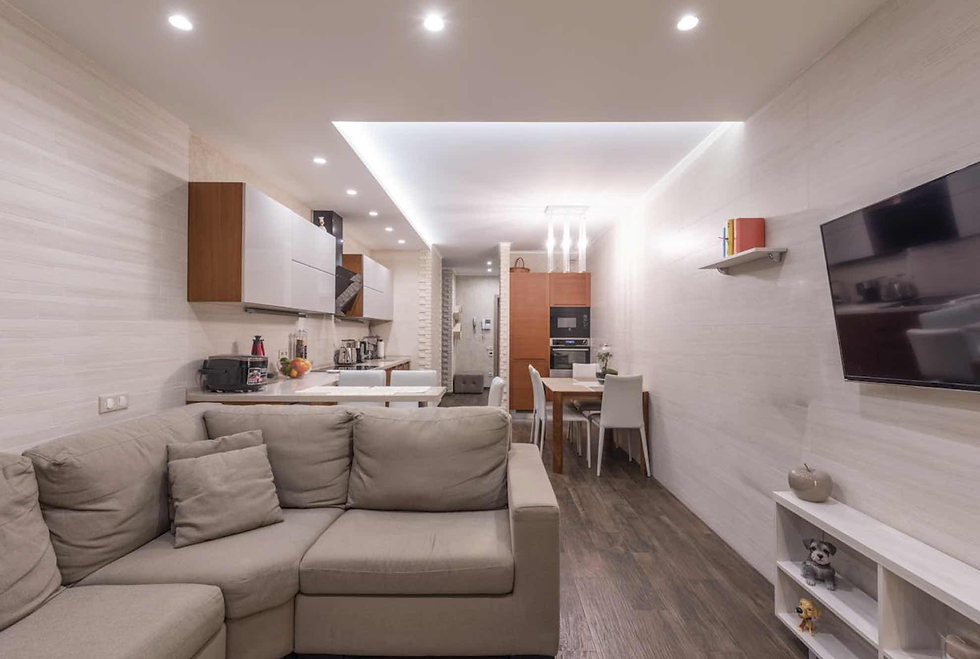
Furniture Resale Value: What Renters Should Consider Before Choosing a Studio or One-Bedroom
When comparing studio and one-bedroom rentals, most people focus on rent, utilities, and square footage. However, another factor that can affect your long-term costs is the resale value of your furniture.
Whether you plan to relocate in a year or stay for several years, the type of furniture you purchase today can influence how easy and affordable your next move will be. From transportation costs to resale potential, choosing furniture that fits your rental and future plans can save both time and money.
Why Furniture Resale Matters
Many renters purchase furniture specifically for their current apartment without considering what will happen when they move.
Before buying large household items, ask yourself:
Will this furniture fit in my next home?
Is it easy to move?
Could I sell it if I decide not to keep it?
Will it appeal to other buyers?
Thinking ahead can help you make more practical purchasing decisions and reduce moving-related expenses.
Studio Apartments Often Require Less Furniture
One advantage of renting a studio is that the smaller space naturally encourages buying fewer furnishings.
Instead of filling multiple rooms, renters typically focus on essential pieces that serve more than one purpose.
Common studio furniture includes:
Compact sofas
Small dining tables
Folding furniture
Storage ottomans
Convertible sofa beds
Apartment-sized bookshelves
Purchasing fewer items can reduce both your initial furnishing costs and the amount you need to move later.
Compact Furniture Is Easier to Transport
Furniture designed for smaller apartments is generally lighter and easier to move.
Benefits include:
Lower moving costs
Easier loading and unloading
Better fit inside elevators
Simpler transportation in smaller moving trucks
Less risk of damage during a move
These advantages can make relocating less stressful, especially for renters who move frequently.
Smaller Furniture Often Sells Quickly
Compact furniture is popular among students, first-time renters, and people furnishing apartments with limited space.
As a result, many smaller items may attract buyers more quickly on local online marketplaces.
Examples include:
Small dining sets
Apartment-sized sofas
Compact desks
Folding tables
Storage benches
Because these pieces fit a wide variety of homes, they are often easier to list and sell before a move.
Replacement Costs Are Usually Lower
If you decide not to keep your furniture, replacing compact items is often less expensive than replacing larger pieces.
For example:
Small coffee tables generally cost less than oversized models.
Apartment-sized sofas may be more affordable than large sectionals.
Folding furniture is often budget-friendly and widely available.
Lower replacement costs can make it easier to adapt to a new apartment with different dimensions.
Be Careful with Highly Specialized Furniture
Not all studio furniture has strong resale value.
Some renters purchase custom-built or unusually sized pieces to maximize every inch of space. While these solutions may work well in one apartment, they can be difficult to sell later.
Examples include:
Custom wall-mounted storage
Built-in shelving systems
Unusually shaped desks
Furniture designed for specific room dimensions
Because these items fit fewer homes, the pool of potential buyers may be smaller, which can reduce resale value or lengthen the selling process.
One-Bedroom Apartments Support Standard Furniture Sizes
One-bedroom rentals generally accommodate standard-sized furniture, making it easier to buy items that can transition between different homes.
Typical furniture includes:
Queen or king-size beds
Standard sofas
Dining tables
Dressers
Bookshelves
Entertainment centers
These items are commonly used in apartments and houses alike, giving them broad appeal in the resale market.
Standard Furniture Appeals to More Buyers
One benefit of purchasing standard furniture is its versatility.
If you decide to sell before your next move, buyers are often looking for furniture that will fit a variety of homes rather than pieces designed for unique layouts.
Standard furniture typically:
Fits most apartments
Works in larger homes
Matches common room dimensions
Appeals to a wider audience
Holds value better over time
This flexibility can make selling furniture faster and easier.
Consider Your Future Moving Plans
Your expected length of stay can influence which furniture strategy makes the most sense.
If you expect to move within a year or two, investing in lightweight, versatile furniture may simplify your next relocation.
If you plan to stay long term, purchasing durable, standard-sized furniture may provide greater comfort while maintaining good resale potential if your circumstances change later.
Tips for Maximizing Furniture Resale Value
Regardless of the size of your rental, these practices can help preserve the value of your furniture:
Choose neutral colors and timeless designs.
Purchase durable, well-made pieces.
Keep assembly instructions and hardware.
Protect furniture from stains, scratches, and excessive wear.
Clean items thoroughly before listing them for sale.
Save receipts and product information when possible.
Well-maintained furniture is generally more attractive to buyers and may sell more quickly.
Furniture is an investment that extends beyond your current apartment. Studio renters often benefit from purchasing fewer, compact pieces that are easier to transport, less expensive to replace, and frequently in demand among apartment dwellers. However, highly specialized or custom-sized furniture may have limited resale appeal.
One-bedroom rentals, on the other hand, typically accommodate standard furniture sizes that fit a wide range of homes and appeal to more potential buyers. If you anticipate moving in the future, considering the portability and resale value of your furniture can help you save money and make your next transition smoother.
Storage Space Matters: Comparing Storage in Studio and One-Bedroom Apartments
When choosing between a studio and a one-bedroom apartment, renters often compare monthly rent, square footage, and location. However, one factor that can have a significant impact on your daily life is storage space.
Adequate storage helps keep your home organized, reduces clutter, and makes it easier to store everything from everyday essentials to seasonal belongings. Before signing a lease, it's worth considering not only how much living space you need but also how much storage your lifestyle requires.
Why Storage Is Important
Storage affects more than just where you keep your belongings. A well-organized apartment can feel larger, cleaner, and more comfortable.
Good storage allows you to:
Keep living areas free of clutter
Organize clothing and household items
Store seasonal decorations and equipment
Protect valuable belongings
Maximize usable floor space
Even apartments with similar square footage can feel very different depending on the amount of built-in storage they provide.
Storage in Studio Apartments
Studios are designed to maximize living space within a compact footprint. While this efficient layout appeals to many renters, it often comes with limited storage.
Studios typically offer:
Smaller closets
Limited pantry space
Minimal linen storage
Less room for seasonal items
As a result, renters may need to be more selective about what they own and how they organize their belongings.
Smaller Closets
Studio apartments often include only one primary closet, which must accommodate clothing, shoes, coats, cleaning supplies, and sometimes luggage.
Without careful organization, closets can quickly become overcrowded.
Many studio renters use:
Under-bed storage containers
Hanging organizers
Stackable storage bins
Closet shelving systems
These solutions can help maximize available space but may not fully replace the convenience of larger built-in closets.
Limited Kitchen Storage
Kitchen storage is another common challenge in studio apartments.
With fewer cabinets and limited pantry space, renters often need to prioritize essential cookware and food items.
Creative storage solutions such as wall-mounted shelves, rolling kitchen carts, or cabinet organizers can improve functionality, but available space remains limited compared to larger apartments.
Minimal Linen and Utility Storage
Studios may have little or no dedicated storage for:
Towels
Extra bedding
Cleaning supplies
Vacuum cleaners
Laundry baskets
These items often need to be stored in closets or hidden within multifunction furniture.
Less Space for Seasonal Belongings
Holiday decorations, winter clothing, camping gear, and other infrequently used items can quickly consume valuable storage space in a studio.
Renters may find themselves rotating belongings throughout the year or reducing the number of seasonal items they keep.
Storage Advantages in One-Bedroom Apartments
One-bedroom rentals generally provide significantly more built-in storage, making everyday organization much easier.
Many one-bedroom apartments include:
Larger bedroom closets
Additional hallway closets
More kitchen cabinets
Better pantry storage
Extra room for bicycles, luggage, or hobby equipment
These additional storage options can improve both convenience and overall quality of life.
Larger Bedroom Closets
Separate bedrooms often include spacious closets designed specifically for clothing and accessories.
This allows renters to organize:
Everyday clothing
Shoes
Formal wear
Seasonal jackets
Extra bedding
With more dedicated storage, bedrooms remain cleaner and more functional.
Hallway and Utility Closets
Many one-bedroom apartments also include hallway or utility closets.
These spaces are ideal for storing:
Vacuum cleaners
Cleaning products
Towels
Linens
Household supplies
Folding chairs
Having designated storage for these items helps reduce clutter throughout the apartment.
More Kitchen Cabinets and Pantry Space
Larger kitchens typically include additional cabinets and pantry storage.
This extra space allows renters to keep:
Small appliances
Bulk groceries
Cookware
Serving dishes
Food storage containers
For people who cook frequently, the added storage can make meal preparation more convenient and enjoyable.
Room for Hobbies and Outdoor Gear
Many renters have belongings that extend beyond everyday household items.
A one-bedroom apartment often provides space for:
Bicycles
Golf clubs
Musical instruments
Exercise equipment
Suitcases
Craft supplies
Photography gear
Having room for these items inside your apartment may eliminate the need for outside storage.
Could a Storage Unit Offset Studio Savings?
At first glance, a studio apartment may appear to offer substantial monthly savings because of its lower rent.
However, if you need to rent an off-site storage unit to accommodate extra belongings, those additional expenses can reduce or even eliminate the financial advantage.
Storage unit costs vary depending on location and size, and renters should also consider:
Monthly rental fees
Insurance costs
Transportation expenses
Time spent accessing stored items
When comparing rental options, calculate the total monthly cost rather than focusing solely on apartment rent.
Questions to Ask Before Renting
Before deciding between a studio and a one-bedroom apartment, consider the following:
How much clothing do you own?
Do you have seasonal decorations or sports equipment?
Do you cook frequently and need pantry space?
Do you work from home and require office storage?
Will you need to store luggage, bicycles, or hobby equipment?
Could you comfortably downsize if necessary?
Answering these questions can help you choose a home that meets both your living and storage needs.
Storage space is an essential but often overlooked aspect of apartment living. Studios offer an affordable and efficient option for renters who own fewer belongings and are comfortable maximizing every inch of available space. However, their smaller closets, limited kitchen storage, and minimal room for seasonal items may require creative organization or even off-site storage.
One-bedroom apartments provide larger closets, additional cabinets, hallway storage, and more flexibility for storing everything from groceries to hobby equipment. If renting a storage unit becomes necessary, the lower rent of a studio may not deliver the savings you initially expected. Evaluating your storage needs before signing a lease can help you choose an apartment that supports a more organized, comfortable, and cost-effective lifestyle.

Lifestyle Considerations: How to Choose Between a Studio and a One-Bedroom Apartment
Choosing between a studio and a one-bedroom apartment involves more than comparing rental prices. While your budget is important, your lifestyle often has the greatest impact on which type of home will feel comfortable and practical over time.
The way you work, cook, entertain, and spend your free time can determine whether a compact studio meets your needs or whether the additional space of a one-bedroom apartment is worth the higher monthly rent.
Before signing a lease, take a moment to evaluate how you live today and how your needs may change during your tenancy.
Why Lifestyle Matters
An apartment should support your daily routine rather than limit it. Two renters with the same budget may choose completely different layouts because they have different priorities.
For example, someone who spends most of the day away from home may be perfectly happy in a studio, while someone who works remotely or frequently hosts visitors may benefit from the separation and flexibility of a one-bedroom apartment.
Answering a few key questions can help you make a more informed decision.
Do You Work From Home?
Remote and hybrid work have changed what many renters look for in an apartment.
If you regularly work from home, consider whether you need:
A dedicated desk
A quiet meeting space
Reliable organization for office supplies
Separation between work and personal life
A studio can work well if your workspace is minimal and you don't mind sharing your living area with your office. However, a one-bedroom apartment often provides greater flexibility by allowing you to create a dedicated work area outside your bedroom.
For many remote workers, this separation improves productivity and makes it easier to disconnect from work at the end of the day.
Will Guests Stay Overnight?
Think about how often friends or family visit.
If overnight guests are common, a one-bedroom apartment offers several advantages:
More privacy for both you and your guests
Separate sleeping and living areas
A more comfortable place to socialize
Less disruption to your daily routine
In a studio, overnight visitors typically share the same open living space, which may reduce privacy and limit flexibility.
Do You Own Large Furniture?
Your existing furniture can significantly influence your apartment choice.
Consider whether you already own:
A large sofa
A full bedroom set
A dining table
Bookshelves
Office furniture
Exercise equipment
Studios generally require smaller, multifunction furniture to maximize space, while one-bedroom apartments are better suited for standard-sized furnishings.
Choosing an apartment that comfortably accommodates your belongings may help you avoid selling, storing, or replacing furniture after your move.
How Often Do You Cook?
Your cooking habits are another important consideration.
If you enjoy preparing meals at home several times a week, you'll likely appreciate:
More counter space
Larger kitchens
Additional cabinets
Better pantry storage
Space for small appliances
One-bedroom apartments often provide larger kitchens than studios, making meal preparation and food storage more convenient.
If you mostly dine out or prepare simple meals, a studio kitchen may meet your needs just fine.
Do You Have Hobbies That Require Equipment?
Many hobbies involve equipment that requires storage space.
Examples include:
Bicycles
Photography gear
Musical instruments
Fitness equipment
Art supplies
Camping gear
Golf clubs
A studio apartment may become crowded if these items occupy valuable living space.
A one-bedroom rental often offers additional closets, storage areas, or extra floor space to keep hobby equipment organized without interfering with everyday living.
How Long Do You Expect to Stay?
The length of your planned stay can influence whether extra space is a worthwhile investment.
If you're looking for short-term housing, a studio may provide an affordable and practical solution.
However, if you expect to remain in the same apartment for several years, your needs may evolve over time. You might begin working remotely, adopt a pet, purchase additional furniture, or simply accumulate more belongings.
Many long-term renters find that the flexibility of a one-bedroom apartment becomes increasingly valuable as their lifestyle changes.
Consider Your Daily Routine
Beyond these specific questions, think about how you spend your average day.
Ask yourself:
Do you spend most of your time at home?
Do you prefer a minimalist lifestyle?
Do you need quiet spaces for work or study?
Do you value entertaining friends?
Are you comfortable with open-concept living?
Your answers can help determine which apartment layout best matches your routine.
Balance Lifestyle and Budget
While it's tempting to choose the lowest monthly rent, it's also important to consider how your home affects your overall quality of life.
A studio may reduce housing costs and utility bills, making it an excellent choice for renters who value simplicity and spend little time at home.
A one-bedroom apartment may require a larger monthly investment, but the added privacy, storage, and flexibility can improve comfort, productivity, and organization for many renters.
The best choice is one that aligns with both your financial goals and your everyday needs.
Choosing between a studio and a one-bedroom apartment is ultimately a lifestyle decision. Asking yourself practical questions about remote work, overnight guests, furniture, cooking habits, hobbies, and your expected length of stay can provide valuable insight into the type of space that will serve you best.
For some renters, the affordability and efficiency of a studio are the perfect fit. For others, the additional room and versatility of a one-bedroom apartment create a more comfortable and functional home. By carefully evaluating your daily routine and future plans, you can choose a rental that supports your lifestyle and helps you enjoy your home for years to come.
Pros and Cons Comparison
Feature | Studio | One-Bedroom |
Monthly Rent | Lower | Higher |
Utility Costs | Usually lower | Slightly higher |
Privacy | Limited | Excellent |
Storage | Limited | More generous |
Furniture Requirements | Minimal | Moderate |
Work-from-Home Space | Challenging | Much easier |
Entertaining Guests | Limited | More comfortable |
Cleaning Time | Less | More |
Cost per Square Foot | Often higher | Often better value |
Long-Term Comfort | Moderate | Higher |
Which Rental Offers Better Value? Comparing Studio and One-Bedroom Apartments
When searching for a rental, it's natural to focus on the monthly rent. However, the apartment with the lowest price is not always the one that offers the best value. A rental's true value depends on how well it fits your lifestyle, daily routine, and long-term plans.
For renters in Deerfield Beach and Palm Coast, both studios and one-bedroom apartments have distinct advantages. The right choice comes down to balancing affordability with comfort, convenience, and functionality.
Value Is More Than Monthly Rent
A studio apartment usually costs less each month, but lower rent is only one part of the equation.
Other factors that contribute to overall value include:
Utility costs
Storage space
Furniture needs
Work-from-home requirements
Privacy
Moving expenses
Quality of life
An apartment that better supports your lifestyle may provide greater long-term value, even if the monthly rent is slightly higher.
Choose a Studio If You Want to Minimize Expenses
Studios are an excellent choice for renters who prioritize affordability and simplicity.
A studio may be the best option if you:
Want the lowest monthly housing expenses
Travel frequently
Own minimal furniture
Prefer simple, minimalist living
Expect to move within a year or two
Because studios generally have smaller living areas, renters often spend less on utilities, furniture, and household maintenance. These savings can make it easier to build an emergency fund, pay off debt, or save for future financial goals.
For individuals who spend much of their time away from home, the compact layout of a studio may provide everything they need without paying for unused space.
Choose a One-Bedroom If You Need More Flexibility
Although one-bedroom apartments typically cost more, they often provide additional value through improved functionality and comfort.
A one-bedroom may be the better choice if you:
Plan to stay long term
Work remotely
Need additional storage
Value privacy
Already own furniture
Want greater flexibility for everyday living
The separate bedroom, larger closets, and additional living space can make daily routines more comfortable and help accommodate changing needs over time.
Long-Term Renters Often Benefit from Extra Space
If you expect to remain in the same apartment for several years, your lifestyle may evolve.
During that time, you might:
Begin working from home
Purchase additional furniture
Adopt a pet
Accumulate more belongings
Entertain guests more frequently
A one-bedroom apartment provides room to adapt without feeling cramped, making it a practical option for renters planning to stay in one place.
Remote Workers May Find Greater Value in a One-Bedroom
For people who work from home, additional space can directly improve productivity.
A one-bedroom apartment allows you to create a dedicated workspace that remains separate from your bedroom. This separation can help reduce distractions, improve organization, and establish a healthier work-life balance.
While a studio can accommodate a small desk, many remote workers appreciate having a distinct area for professional activities.
Storage Can Reduce Hidden Costs
Storage is another factor that affects overall value.
Studios often include:
Smaller closets
Limited pantry space
Less room for seasonal belongings
One-bedroom apartments typically offer:
Larger bedroom closets
Additional hallway storage
More kitchen cabinets
Extra room for bicycles, luggage, or hobby equipment
If you would otherwise need to rent an off-site storage unit, the monthly savings from choosing a studio may be reduced or eliminated.
Privacy Enhances Everyday Comfort
A one-bedroom apartment offers separate spaces for sleeping, relaxing, working, and entertaining.
This layout provides several everyday benefits, including:
Fewer interruptions during sleep
More comfortable overnight accommodations for guests
Better organization
Reduced household noise
Greater personal privacy
For couples or renters who frequently host friends and family, these advantages can significantly improve daily life.
Existing Furniture Can Influence Overall Value
If you already own a full bedroom set, a dining table, or a large sofa, moving into a studio may require difficult compromises.
You may need to:
Sell furniture
Place belongings in storage
Purchase smaller replacements
A one-bedroom apartment is generally better suited for standard-sized furniture, potentially saving you money by allowing you to keep the pieces you already own.
Consider Your Lifestyle, Not Just Your Budget
Before making a decision, ask yourself these questions:
How much time do I spend at home?
Will I work remotely?
Do I entertain guests?
How much storage do I need?
How long do I plan to stay?
Do I already own large furniture?
Your answers can reveal which apartment type offers the greatest overall value for your unique circumstances.
What About Renters in Deerfield Beach and Palm Coast?
For renters in Deerfield Beach and Palm Coast, both studios and one-bedroom apartments can be excellent choices depending on individual needs.
Studios appeal to renters seeking affordability, lower utility costs, and a simplified lifestyle. They are particularly well suited for students, seasonal residents, young professionals, and individuals who spend much of their time outside the home.
One-bedroom apartments, however, often provide greater long-term value for couples, remote workers, pet owners, and renters planning to stay for several years. The additional living space, improved storage, and enhanced privacy can contribute to a more comfortable and functional home.
The best rental is not necessarily the one with the lowest monthly rent. True value comes from choosing a home that supports your lifestyle, minimizes unnecessary expenses, and meets your current and future needs.
A studio apartment is ideal for renters who prioritize affordability, simplicity, and flexibility for short-term living. A one-bedroom apartment offers additional space, privacy, storage, and adaptability that many renters find worthwhile over the long term.
For many renters in Deerfield Beach and Palm Coast, spending slightly more on a one-bedroom apartment can deliver greater overall value through improved comfort, better organization, and a home that grows with their changing lifestyle.
When comparing a studio vs one bedroom rental, don't focus solely on the monthly rent. Consider price per square foot, storage needs, furniture costs, work-from-home requirements, and how long you plan to stay.
Studios are an excellent option for budget-conscious renters seeking efficiency, while one-bedroom apartments often deliver greater long-term value for those who need more room and flexibility. By evaluating both upfront costs and everyday living needs, you can choose the rental that best fits your lifestyle in either Deerfield Beach or Palm Coast.
Sources
RentCafe – Apartment Market Research
U.S. Department of Housing and Urban Development. Rental Housing Resources. https://www.hud.gov/
Consumer Financial Protection Bureau. Resources for Renters. https://www.consumerfinance.gov/
National Apartment Association. Apartment Living and Renting Resources. https://naahq.org/
National Apartment Association. Apartment Living Resources. https://naahq.org/
U.S. Department of Housing and Urban Development. Rental Housing Resources. https://www.hud.gov/
Consumer Financial Protection Bureau. Renting a Home: Consumer Resources. https://www.consumerfinance.gov/
National Apartment Association. Apartment Living Resources. https://naahq.org/
Consumer Financial Protection Bureau. Housing and Consumer Resources. https://www.consumerfinance.gov/
Moving.com. Moving and Furniture Planning Resources. https://www.moving.com/
National Apartment Association. Apartment Living Resources. https://naahq.org/
Consumer Financial Protection Bureau. Resources for Renters. https://www.consumerfinance.gov/
Moving.com. Moving and Apartment Organization Resources. https://www.moving.com/
U.S. Census Bureau. American Housing Survey. https://www.census.gov/programs-surveys/ahs.html
Zillow. Rental Market Data. https://www.zillow.com/research/data/
Apartments.com. Rental Listings and Market Trends. https://www.apartments.com/
RentCafe. Apartment Size and Rental Market Reports. https://www.rentcafe.com/blog/
Florida Realtors. Housing Market Resources. https://www.floridarealtors.org/


Comments