Rent a Home Sight Unseen Florida: A Complete Guide for Out-of-State Renters
- Maria V.
- 1 day ago
- 31 min read
Relocating to Florida can be exciting, but finding a rental home when you live hundreds or even thousands of miles away presents unique challenges. Whether you are moving for work, retirement, military service, or a lifestyle change, many renters must secure housing before arriving in person.
Fortunately, technology has made it easier than ever to rent a home remotely. However, online rental scams have also become more common, making it essential to take the right precautions.
This guide explains how to rent a home sight unseen Florida safely, whether you are relocating to Palm Coast or Deerfield Beach.

Why More People Rent Homes Sight Unseen in Florida
Florida remains one of the fastest-growing states in the U.S., attracting new residents from every region of the country. Whether moving for work, retirement, education, or family reasons, many people simply do not have the time or budget to travel multiple times before securing housing. As a result, more renters are choosing to rent a home sight unseen in Florida using virtual tools and careful verification.
While renting a property without seeing it in person may seem risky, today's technology and professional property management practices have made the process much more reliable. With proper preparation, remote renters can confidently find a home that meets their needs.
Why Sight-Unseen Renting Is Becoming More Common
The growth of virtual property tours, online applications, and digital lease signing has changed the rental process. Many landlords and property management companies now provide detailed online listings that allow prospective tenants to explore homes from anywhere.
For many people relocating to Florida, renting remotely is no longer a last resort. It is often the most practical option.
Common Reasons People Rent Homes Remotely
Job Transfers
Employees relocating for a new position often have limited time between accepting a job offer and their start date. Waiting until arrival to search for housing may require staying in a hotel for several weeks, increasing moving costs.
Securing a rental before moving allows professionals to settle in quickly and begin work without unnecessary delays.
Military Relocations
Military families frequently receive permanent change of station (PCS) orders with tight timelines. Renting a home remotely helps service members transition smoothly while minimizing disruptions for spouses and children.
Many property managers are experienced in working with military families and offer virtual tours and digital paperwork.
Retirement Moves
Florida continues to attract retirees seeking warm weather, lower taxes, and an active lifestyle. Many retirees move from northern states and prefer arranging housing before making the long drive or flight south.
Remote leasing allows retirees to focus on their move rather than spending additional time traveling back and forth.
Family Relocation
Families moving to Florida often coordinate school enrollment, employment changes, and moving schedules simultaneously. Making multiple trips to view rental homes may not be practical when traveling with children.
Virtual showings make it easier for every family member to participate in the home selection process from wherever they currently live.
College or Graduate School
Students attending universities or graduate programs often need housing before classes begin. Since many students relocate from out of state, virtual leasing provides a convenient solution that allows them to secure housing before arriving on campus.
Temporary Assignments
Healthcare professionals, corporate employees, consultants, and contractors frequently relocate for temporary assignments lasting several months or longer.
Renting sight unseen allows them to move quickly while focusing on their new responsibilities instead of searching for housing after arrival.
Technology Makes Remote Renting Easier
Today's rental process is far different from just a few years ago. Many professional property managers now offer:
High-quality virtual tours
Live video walkthroughs
Detailed floor plans
Online rental applications
Electronic lease signing
Secure online payment systems
These tools allow renters to evaluate homes thoroughly without traveling.
Benefits of Renting Sight Unseen
When handled carefully, renting remotely offers several advantages.
Save Time
Traveling across the country to tour homes can require several days away from work or family responsibilities. Virtual leasing eliminates multiple trips and speeds up the relocation process.
Reduce Moving Costs
Flights, hotels, rental cars, and meals can add hundreds or even thousands of dollars to a relocation budget. Renting remotely can significantly reduce these expenses.
Secure Housing Earlier
Popular rental homes in desirable Florida communities often lease quickly. Applying remotely allows renters to reserve a home before inventory becomes limited.
Simplify the Relocation Process
Having housing secured before moving provides peace of mind. Instead of worrying about finding a place after arriving, renters can focus on unpacking, starting a new job, or helping children adjust to a new community.
Renting Sight Unseen Can Be Safe
Although remote renting requires extra diligence, it can be a safe experience when working with reputable property management companies or verified landlords.
Before signing a lease, renters should:
Request a live virtual tour
Verify ownership or property management credentials
Review the lease carefully
Confirm all fees in writing
Never send money before verifying the property's legitimacy
Ask questions about maintenance, utilities, and move-in procedures
Taking these precautions helps reduce the risk of rental scams and unexpected surprises.
Florida Continues to Welcome New Residents
As thousands of people relocate to Florida every year, remote leasing has become a normal part of the rental market. Whether moving for employment, retirement, military service, education, or family reasons, many renters successfully find homes without visiting them in person first.
With trusted professionals, modern technology, and careful planning, it is entirely possible to rent a home sight unseen in Florida with confidence.
Renting a home without an in-person visit may have once seemed unusual, but it has become an increasingly common solution for today's mobile workforce and relocating families. By using virtual tours, verifying the landlord or property manager, and completing proper due diligence, renters can confidently secure housing before arriving in Florida.
If you are planning an out-of-state move, taking the time to research your options and work with reputable professionals can help make renting sight unseen a smooth and successful experience.
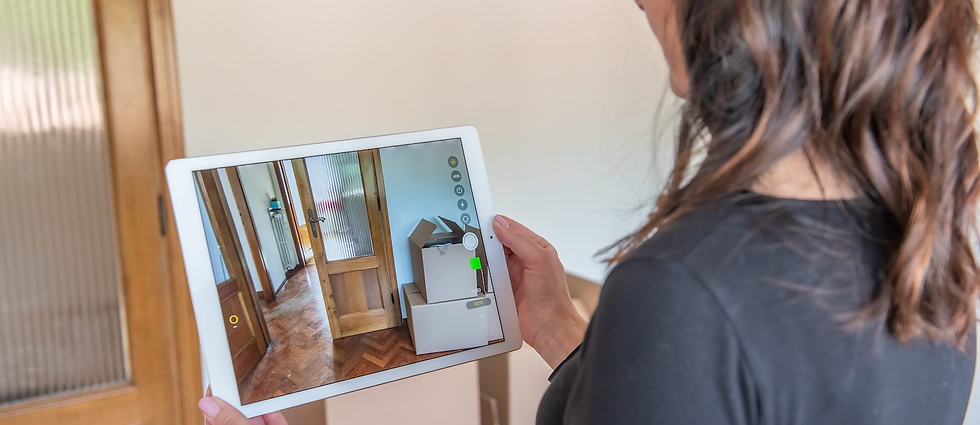
Schedule a Live Virtual Tour Before Renting a Home Sight Unseen
If you're planning to rent a home sight unseen in Florida, scheduling a live virtual tour should be one of your highest priorities. While online photos and pre-recorded videos can provide a general overview of a property, they do not always reflect its current condition. A live video walkthrough gives you the opportunity to see the home in real time, ask questions, and verify that the property matches its listing.
Whether you're relocating for work, retirement, school, or military service, taking the time to arrange a live virtual tour can help you make a more informed decision and reduce the risk of rental scams.
Why a Live Virtual Tour Matters
Listing photos are often taken when a property is first marketed and may not accurately represent its current condition. Images can also be professionally edited or carefully staged to highlight only the best features.
A live virtual tour allows you to see the property as it exists today. Because the person conducting the tour responds to your requests in real time, it is much more difficult for scammers to use fake listings or misleading photos.
This extra level of transparency helps you feel more confident before signing a lease or sending any money.
What You Can Learn During a Live Walkthrough
A live virtual tour gives you the chance to inspect many aspects of the property that may not be visible in listing photos.
During the tour, you can:
See the property's current condition
Ask questions as you walk through each room
Request close-up views of important features
Verify that the home actually exists
Inspect appliances, flooring, windows, and bathrooms
Look for signs of damage or deferred maintenance
Taking notes during the tour can help you compare properties if you are considering multiple rental options.
Video Platforms to Request
Most property managers and landlords can easily conduct a virtual showing using common video conferencing applications.
Popular options include:
Zoom
FaceTime
Google Meet
Microsoft Teams
WhatsApp Video
These platforms allow you to communicate directly with the person showing the property while viewing each room from your computer, tablet, or smartphone.
What to Ask the Property Manager to Show
A thorough virtual tour goes beyond simply walking through each room. Don't hesitate to ask the property manager or landlord to demonstrate features that are important to you.
Consider requesting that they:
Open closets and storage spaces
Show inside kitchen and bathroom cabinets
Test faucets and showers
Flush toilets
Turn lights on and off
Demonstrate kitchen appliances
Open and close windows
Show flooring up close
Walk through the garage, laundry room, and utility areas
Display smoke detectors and other safety features
These requests help confirm that everything is functioning properly and provide a better understanding of the home's overall condition.
Don't Forget the Exterior
The outside of the property is just as important as the interior.
Ask the person conducting the tour to show:
The front and back yards
Driveways
Parking areas
Fencing
Outdoor lighting
Patios or decks
Mailboxes
Trash collection areas
If the property is part of a community with shared amenities, request a brief view of those areas as well, if possible.
Take a Look at the Neighborhood
A virtual tour can also provide valuable insight into the surrounding area.
Ask the property manager to briefly walk or drive around the neighborhood so you can observe:
Nearby homes
Street conditions
Sidewalks
Traffic levels
Parks or green spaces
Nearby businesses
General upkeep of the community
Seeing the neighborhood firsthand can help you determine whether it fits your lifestyle and expectations.
Why Live Tours Help Prevent Rental Scams
Rental scammers often rely on copied listing photos or pre-recorded videos taken from legitimate real estate websites. Because they cannot physically access the property, they typically avoid live video calls.
A real-time walkthrough makes it much more difficult for scammers to deceive prospective tenants because they must be able to enter the home and respond to your requests during the tour.
While a live tour alone does not guarantee legitimacy, it is an important step in verifying that the property exists and that the person advertising it has access to it.
Additional Tips for a Successful Virtual Tour
To get the most value from your appointment:
Prepare a list of questions in advance.
Ask the person conducting the tour to move slowly through each room.
Request close-up views of any areas that concern you.
Take screenshots or notes for future reference.
Compare what you see during the tour with the online listing and lease details.
These simple steps can help you identify any discrepancies before committing to a rental.
Scheduling a live virtual tour is one of the smartest ways to protect yourself when you rent a home sight unseen in Florida. Unlike listing photos or pre-recorded videos, a live walkthrough allows you to inspect the property in real time, verify its condition, and ask questions as they arise.
By combining a virtual tour with careful landlord verification, lease review, and secure payment practices, you can confidently rent a home remotely while reducing the risk of unpleasant surprises after you move in.
Schedule a Live Virtual Tour Before Renting a Home Sight Unseen
Renting a home without visiting it in person has become increasingly common, especially for people relocating to Florida from another state. While online photos and videos can provide a helpful overview, they should never be your only source of information. One of the most effective ways to protect yourself when you rent a home sight unseen in Florida is to schedule a live virtual tour with the property manager or landlord.
A real-time video walkthrough allows you to inspect the property as it looks today, ask questions on the spot, and confirm that the home matches its online listing. It also makes it much more difficult for scammers to use fake listings or outdated photos.
Why a Live Virtual Tour Is Important
Photos in rental listings are often taken when a property is first advertised. They may not show recent wear and tear, repairs, or changes to the home. In some cases, scammers even steal photos from legitimate listings to create fraudulent advertisements.
A live virtual tour gives you the opportunity to see the property in real time. Because the person conducting the tour responds to your requests as you watch, you gain a much clearer picture of the home's condition and authenticity.
What You Can Check During the Tour
A live video walkthrough allows you to inspect features that are difficult to evaluate through still photos alone.
During the tour, you can:
See the property's current condition
Ask questions while viewing each room
Request close-up views of important features
Verify that the home actually exists
Inspect appliances, flooring, windows, and bathrooms
Look for signs of damage or needed repairs
Taking notes during the tour can also help you compare multiple rental properties before making a final decision.
Recommended Video Platforms
Most property managers and landlords can easily conduct a virtual showing using popular video conferencing apps.
Common options include:
Zoom
FaceTime
Google Meet
Microsoft Teams
WhatsApp Video
These platforms allow you to communicate directly with the person showing the property while viewing the home from your computer, tablet, or smartphone.
Ask for a Thorough Walkthrough
Don't hesitate to ask the property manager or landlord to show more than just the main living areas. A complete virtual tour should include spaces that are often overlooked in listing photos.
If possible, ask them to:
Open closets
Show inside kitchen and bathroom cabinets
Test faucets and showers
Demonstrate kitchen appliances
Turn lights on and off
Open and close windows
Walk around the exterior of the home
Show parking areas
Display nearby streets and neighborhood surroundings
These requests can help you better understand the property's condition and identify any potential concerns before signing a lease.
Pay Attention to the Exterior and Neighborhood
A home's surroundings are just as important as its interior. During the live tour, ask to see:
The front and back yard
Driveways and sidewalks
Outdoor lighting
Landscaping
Parking spaces
Nearby homes
Street conditions
Common areas, if applicable
Viewing the neighborhood in real time provides valuable insight into traffic, maintenance, and the overall environment.
Live Tours Help Prevent Rental Scams
Rental scams often rely on copied photos, stolen listings, or pre-recorded videos. Scammers usually cannot provide a live walkthrough because they do not have access to the property.
A live virtual tour significantly reduces this risk by allowing you to interact with someone who can physically enter the home, respond to your questions, and show specific areas upon request.
Although a live tour should not replace other verification steps, it is one of the strongest tools available for confirming that a rental listing is legitimate.
Additional Tips for a Successful Virtual Tour
To make the most of your appointment:
Prepare a list of questions before the tour begins.
Ask the person conducting the tour to move slowly through each room.
Request close-up views of anything that concerns you.
Take screenshots or notes for future reference.
Compare what you see during the tour with the listing description and lease agreement.
These simple steps can help you make a more informed decision and avoid unexpected surprises after moving in.
Scheduling a live virtual tour is one of the smartest ways to protect yourself when you rent a home sight unseen in Florida. It allows you to inspect the property's current condition, ask detailed questions, and verify that the home is legitimate before committing to a lease.
Combined with careful landlord verification, lease review, and secure payment practices, a live virtual walkthrough can help ensure a safe and successful remote rental experience.

Verify the Property Owner or Property Manager Before Renting Sight Unseen
When you rent a home sight unseen in Florida, one of the most important steps is verifying that the person advertising the property has the legal authority to rent it. While most rental listings are legitimate, rental scams continue to target people relocating from out of state because they are less likely to visit the property before signing a lease.
Taking a few extra minutes to confirm ownership or property management can help protect your money and prevent unnecessary stress during your move.
Why Verification Is Essential
Scammers often copy photos and descriptions from legitimate rental listings and repost them at attractive prices. They may pressure prospective tenants to send deposits or application fees before verifying the property.
Before signing a lease or transferring any money, make sure you know exactly who you are dealing with. A legitimate property owner or professional property management company should be willing to answer your questions and provide information that confirms their authority to rent the home.
How to Verify Property Ownership
One of the easiest ways to verify a rental listing is by checking public property records. Most Florida counties maintain online databases that allow you to search property ownership information by address.
When reviewing public records, confirm that:
The property address matches the listing.
The owner's name is consistent with the information provided.
The property appears to be a residential rental rather than an unrelated property.
If the individual advertising the home is not the listed owner, ask how they are authorized to lease the property.
Research the Property Management Company
If a property management company is handling the rental, spend a few minutes researching the business independently.
Helpful steps include:
Search for the company online.
Visit its official website.
Read independent customer reviews.
Verify that the company has a physical office location.
Confirm that the listed phone number matches the one on its website.
Avoid relying solely on website links or phone numbers sent through emails, text messages, or social media. Instead, search for the company's official website yourself to ensure you are contacting the legitimate business.
Call the Company's Published Office Number
A simple phone call can provide valuable reassurance.
Use the office number listed on the company's official website and ask questions such as:
Is the property currently available?
Is the listing price accurate?
Who is managing the property?
Who should receive rental payments?
What is the application process?
Speaking directly with a representative can help confirm that the listing is genuine and that you are communicating with the correct organization.
Read Independent Reviews
Online reviews can provide insight into how a property management company operates. While no business has perfect reviews, look for consistent patterns regarding professionalism, communication, maintenance, and customer service.
Read reviews from multiple platforms rather than relying on testimonials published only on the company's own website.
Keep in mind that a few negative reviews are normal, but repeated complaints about fraud, poor communication, or payment issues deserve closer attention.
Confirm the Property Address
Always verify that the address provided in the listing matches public records and online mapping services.
You can also compare:
Exterior photos
Street views
Neighborhood characteristics
Property descriptions
Any significant inconsistencies should prompt additional questions before moving forward.
Be Cautious of Red Flags
Although many remote rentals are legitimate, certain warning signs may indicate a scam.
Watch for situations where someone:
Refuses to provide a live virtual tour.
Pressures you to send money immediately.
Requests payment through unusual methods.
Avoids answering basic questions about the property.
Claims they cannot meet or participate in a live video call.
Provides inconsistent information about ownership or management.
If something feels suspicious, pause the process until you can independently verify the listing.
Legitimate Landlords Welcome Questions
Professional landlords and property managers understand that remote renters need additional reassurance. They should have no problem:
Answering questions about the property.
Explaining the lease terms.
Providing information about the management company.
Confirming ownership or management authority when appropriate.
Scheduling a live virtual tour.
Transparency is usually a good sign that you are working with a legitimate rental professional.
Before you rent a home sight unseen in Florida, take the time to verify the property owner or property manager. Confirm ownership through county property records, research management companies independently, read customer reviews, and contact the company using its published office number.
These simple verification steps can greatly reduce the risk of rental fraud and help ensure that your move to Florida begins with confidence and peace of mind.

Watch for Common Rental Scams When Renting a Home Sight Unseen
Renting a home remotely can be convenient, but it also requires extra caution. As more people choose to rent a home sight unseen in Florida, scammers have become increasingly sophisticated in creating fake listings and convincing prospective tenants to send money before verifying a property's legitimacy.
Understanding the most common warning signs can help you avoid becoming a victim of rental fraud and protect both your finances and personal information.
Why Rental Scams Are Increasing
Online rental platforms have made it easier than ever to search for homes across the country. Unfortunately, they have also created opportunities for scammers to copy legitimate listings, steal photos, and impersonate property owners or management companies.
Long-distance renters are often targeted because they cannot easily visit the property in person. Scammers take advantage of tight moving schedules by creating a false sense of urgency and encouraging renters to act quickly.
Fortunately, knowing what to watch for can help you recognize fraudulent listings before you commit to a lease.
Warning Signs of a Rental Scam
While every situation is different, several red flags appear repeatedly in rental fraud cases.
Rent Is Significantly Below Market Value
Everyone wants a great deal, but a rental price that is dramatically lower than similar homes in the same neighborhood should raise concerns.
Scammers often advertise unusually low rent to attract a large number of interested applicants and encourage quick payments before victims have time to verify the listing.
Compare the asking price with similar rentals in the area to determine whether it is realistic.
Pressure to Send Money Immediately
A legitimate landlord or property manager may have application deadlines, but they should not pressure you into making an immediate payment without allowing time to review the lease and verify the property.
Be cautious if someone insists that multiple applicants are waiting and claims you must send money within hours to secure the home.
High-pressure tactics are commonly used by scammers to prevent careful research.
Refusal to Conduct a Live Virtual Tour
Professional property managers and legitimate landlords are usually willing to schedule a live video walkthrough.
If someone refuses to provide a live virtual tour, makes repeated excuses, or only offers pre-recorded videos, proceed carefully.
A real-time walkthrough allows you to verify that the person advertising the property has access to the home.
Requests to Communicate Only Through Messaging Apps
While texting can be convenient, legitimate businesses typically offer multiple ways to communicate, including phone calls, email, and office contact information.
Be cautious if someone insists on communicating only through messaging apps and refuses to speak by phone or video.
Professional communication channels help establish credibility and accountability.
Claims That the Owner Is Overseas
One of the oldest rental scam tactics involves claiming that the property owner is overseas, traveling, or otherwise unavailable to meet or conduct a live tour.
Although some legitimate owners may live elsewhere, this explanation should not prevent them or their property manager from arranging a virtual showing or providing proper documentation.
If the explanation is accompanied by pressure to send money immediately, consider it a significant warning sign.
Requests to Wire Money to an Individual
Always be cautious when asked to wire money or send payments directly to an individual before verifying the property.
Professional property management companies typically offer secure payment methods and provide detailed payment instructions.
Before sending any funds, confirm that the payment recipient matches the verified property owner or management company.
Poorly Written Lease Agreements
A lease agreement should clearly identify the parties involved, the property address, rental amount, payment schedule, security deposit, and lease terms.
Warning signs include:
Incorrect property addresses
Inconsistent names
Missing contact information
Numerous spelling and grammar errors
Contradictory lease terms
Blank sections that should contain important details
Review every page carefully before signing.
Trust Your Instincts
If something about the transaction feels unusual, slow down and investigate further.
Take time to:
Verify property ownership.
Research the property management company.
Schedule a live virtual tour.
Read the lease carefully.
Confirm payment instructions independently.
Ask additional questions before sending money.
Scammers often rely on urgency. Taking extra time to verify information can prevent costly mistakes.
How to Protect Yourself
The safest remote renters follow a consistent verification process before signing a lease.
Best practices include:
Research the property independently.
Verify ownership through public records.
Confirm the management company's official website and phone number.
Request a live virtual walkthrough.
Compare rental prices with similar properties.
Keep copies of all communications and documents.
Never send money until you have verified the legitimacy of the listing.
These precautions greatly reduce the likelihood of falling victim to rental fraud.
While most rental listings are legitimate, scams continue to target people relocating from out of state. Learning to recognize common warning signs can help you rent a home sight unseen in Florida with greater confidence.
If a listing seems too good to be true, if someone pressures you to send money quickly, or if basic verification requests are refused, pause the transaction and investigate further. A little extra caution today can save significant financial loss and stress later.
Confirm Every Detail Before Sending Money When Renting a Home Sight Unseen
When you rent a home sight unseen in Florida, sending a security deposit or your first month's rent is often the final step before securing your new home. However, you should never transfer money until you have carefully verified every important detail and reviewed the lease agreement.
Taking the time to confirm the terms of your rental can help prevent misunderstandings, unexpected expenses, and potential rental scams. A legitimate landlord or property management company should provide clear documentation and be willing to answer your questions before requesting payment.
Why Verification Matters
Once money has been transferred, recovering it can be difficult if the listing turns out to be fraudulent or if important lease terms were misunderstood.
Before making any payment, ensure that all rental details are accurate, complete, and documented in writing. Never rely solely on verbal promises or text messages when important financial terms are involved.
Confirm the Full Property Address
Start by verifying the complete property address.
Make sure the address listed on the lease matches:
The rental listing
Public property records
Information provided by the landlord or property manager
Double-checking the address helps ensure you are renting the correct property and reduces the risk of fraudulent listings.
Verify the Monthly Rent
Confirm the exact monthly rent that you are expected to pay.
The lease should clearly state:
The monthly rental amount
The due date each month
Acceptable payment methods
Any late payment fees
If the rent listed in the lease differs from what was advertised, ask for clarification before signing.
Review the Security Deposit
The lease should specify:
The total security deposit amount
When it is due
Conditions for its return
Circumstances that may result in deductions
Understanding these terms before moving in can help prevent disputes when your lease ends.
Confirm the Lease Start Date and Length
Verify exactly when your lease begins and ends.
Check that the agreement includes:
Move-in date
Lease expiration date
Renewal options, if applicable
Early termination provisions
Accurate dates help ensure your moving schedule aligns with your rental agreement.
Understand Which Utilities Are Included
Not every rental includes the same utilities.
Ask whether the following are included in your rent:
Water
Sewer
Trash collection
Internet
Cable television
Electricity
Natural gas
Knowing which services you must arrange yourself helps you prepare your monthly budget.
Review Pet Policies
If you have pets or may adopt one during your lease, carefully review the property's pet policy.
Important details include:
Allowed pet types
Breed or weight restrictions
Pet deposits
Monthly pet rent
Number of pets permitted
Never assume pets are allowed unless the lease specifically states the policy.
Ask About Maintenance Procedures
Understanding how maintenance requests are handled can make future repairs much easier.
Ask questions such as:
How are maintenance requests submitted?
Is emergency maintenance available?
Who is responsible for routine maintenance?
What is the expected response time?
Professional property managers usually have established maintenance procedures that are explained before move-in.
Confirm Parking Availability
Parking arrangements vary by property.
Ask whether the rental includes:
Assigned parking spaces
Garage access
Guest parking
Street parking restrictions
Additional parking fees
These details can be especially important in apartment communities and neighborhoods governed by homeowners associations.
Review HOA Rules
If the property is located within a homeowners association (HOA), ask whether community rules apply to tenants.
These rules may cover:
Parking regulations
Trash collection procedures
Exterior decorations
Noise restrictions
Community amenities
Vehicle limitations
Understanding HOA requirements before moving in can help you avoid violations after taking possession of the property.
Understand Move-In Requirements
Before sending payment, confirm exactly what is required before you receive the keys.
Common move-in requirements include:
Approved rental application
Signed lease agreement
Security deposit
First month's rent
Proof of renters insurance, if required
Utility account setup
Government-issued identification
Knowing these requirements in advance helps ensure a smooth move-in process.
Make Sure Everything Is in Writing
Every important term should appear in your lease agreement.
Before signing, confirm that the lease accurately reflects:
Property address
Rental amount
Deposit amount
Lease dates
Utility responsibilities
Pet policies
Maintenance procedures
Parking arrangements
HOA requirements
Move-in conditions
If anything discussed verbally is missing from the lease, ask for it to be added before signing.
Before you rent a home sight unseen in Florida, carefully verify every detail before sending a security deposit or first month's rent. Reviewing the lease thoroughly, confirming payment terms, and ensuring all agreements are documented in writing can help protect you from misunderstandings and rental fraud.
A reputable landlord or property management company will welcome your questions and provide clear, complete information so you can move forward with confidence.

Read the Lease Carefully Before Signing a Rental Agreement
When you rent a home sight unseen in Florida, the lease agreement becomes one of the most important documents in the entire rental process. Since you may not have the opportunity to meet the landlord or property manager in person before moving, it's essential to review every section of the lease carefully before signing.
A lease is a legally binding contract that outlines the rights and responsibilities of both the landlord and the tenant. Taking the time to understand its terms can help prevent misunderstandings, unexpected costs, and disputes later in your tenancy.
Why Reading the Lease Is Important
Many renters are eager to secure a home quickly, especially when relocating for work, school, retirement, or military service. However, rushing through a lease without reading it thoroughly can lead to unpleasant surprises after you move in.
Before signing, make sure every verbal promise or agreement is included in the written lease. If it is not documented, it may be difficult to enforce later.
A reputable landlord or property management company should encourage you to review the lease carefully and answer any questions you may have.
Confirm the Rent Due Date
One of the first items to verify is when rent is due each month.
The lease should clearly state:
The monthly rent amount
The due date
Accepted payment methods
Whether there is a grace period
Any fees for returned payments
Knowing these details can help you avoid unnecessary late fees and maintain a positive rental history.
Understand Late Payment Fees
Late payment policies vary by property.
Review the lease to determine:
When a payment is considered late
The amount of any late fees
Whether additional daily charges apply
How late payments should be submitted
Understanding these policies before moving in can help you plan your finances and avoid unexpected penalties.
Review the Security Deposit Terms
The lease should explain exactly how your security deposit will be handled.
Look for information about:
The total deposit amount
Conditions for deductions
The process for returning the deposit
Tenant responsibilities at move-out
Understanding these terms can help you protect your deposit throughout your tenancy.
Know Your Maintenance Responsibilities
Every lease should explain who is responsible for maintaining the property.
Review the agreement to understand:
How maintenance requests are submitted
Emergency repair procedures
Tenant maintenance responsibilities
Landlord maintenance obligations
Reporting requirements for repairs
Knowing these procedures can help ensure that maintenance issues are addressed promptly.
Review Renewal Policies
If you may want to stay beyond the initial lease term, review the renewal section carefully.
Important questions include:
Does the lease automatically renew?
How much notice is required before renewing?
Can rent increase at renewal?
What happens if neither party renews?
Understanding the renewal process allows you to plan ahead as your lease expiration approaches.
Understand Early Termination Clauses
Sometimes plans change unexpectedly. A job transfer, family emergency, or other life event may require you to move before your lease ends.
Read the lease carefully to understand:
Whether early termination is allowed
Required notice periods
Any early termination fees
Conditions that may allow you to end the lease legally
Knowing these terms in advance can help you avoid unexpected financial obligations.
Verify Occupancy Limits
Many leases specify how many people may live in the property.
Review the occupancy section to confirm:
Maximum number of occupants
Requirements for additional residents
Rules regarding long-term visitors
Following these requirements helps ensure compliance with both the lease and applicable housing regulations.
Review Guest and Pet Policies
Guest policies vary from one rental property to another.
The lease may include rules regarding:
Overnight guests
Extended stays
Visitor parking
Guest registration requirements
If you own a pet or may get one in the future, carefully review the pet policy for:
Approved pet types
Breed or weight restrictions
Pet deposits
Monthly pet rent
Number of pets allowed
Always ensure the written lease reflects any agreements made regarding pets.
Ask Questions Before Signing
If any part of the lease is unclear, ask for clarification before signing.
Common questions include:
What utilities are included?
How are maintenance emergencies handled?
Are renters insurance policies required?
How are lease renewals managed?
What cleaning requirements apply at move-out?
A professional landlord or property manager should be willing to explain every section of the agreement.
Never Sign an Incomplete Lease
Before signing, confirm that the lease contains all agreed-upon terms, including:
Full property address
Monthly rent
Security deposit
Lease dates
Maintenance responsibilities
Pet policies
Parking arrangements
Utility responsibilities
Any additional agreements discussed during the application process
Do not rely on verbal promises if they are not included in the written contract.
Reading the lease carefully is one of the most important steps when you rent a home sight unseen in Florida. A thorough review helps you understand your rights and responsibilities, avoid misunderstandings, and ensure that every important detail is documented before you commit.
If you have questions about any part of the lease, ask for clarification before signing. Taking a little extra time now can help you enjoy a smoother and more secure rental experience.

Research the Neighborhood Before Renting a Home Sight Unseen
When you rent a home sight unseen in Florida, it's easy to focus on the house or apartment itself. However, the surrounding neighborhood is just as important as the property. Since you may not be able to visit in person before moving, taking time to research the area can help you choose a location that fits your lifestyle, commute, and daily needs.
Fortunately, online maps, street-view tools, and local community resources make it possible to learn a great deal about a neighborhood before signing a lease.
Why Neighborhood Research Matters
Even if a rental home looks perfect, the surrounding area may not meet your expectations. Factors such as traffic, nearby services, schools, and recreational opportunities can have a significant impact on your day-to-day life.
Researching the neighborhood before signing a lease helps you make a more informed decision and reduces the chances of unexpected surprises after moving.
What to Research in Palm Coast
Palm Coast is a popular destination for families, retirees, and professionals thanks to its quiet neighborhoods, parks, and convenient access to major highways. If you are considering a rental home in Palm Coast, focus on the following factors.
Distance to Schools
Families with children should research nearby public and private schools, school district boundaries, and estimated travel times. Even if you do not currently have school-aged children, proximity to quality schools can be an important consideration for future plans.
Nearby Parks and Recreation
Palm Coast is known for its parks, trails, and outdoor recreation. Look for nearby green spaces, playgrounds, walking trails, sports facilities, and community parks that support an active lifestyle.
Shopping Centers
Convenient access to grocery stores, pharmacies, restaurants, and retail shopping can make everyday errands much easier. Check how far the property is from major shopping areas and essential services.
Medical Facilities
Having hospitals, urgent care centers, primary care physicians, and pharmacies nearby can provide peace of mind, especially for families and retirees.
Access to Interstate 95
One of Palm Coast's advantages is its convenient access to Interstate 95. If you commute to nearby cities such as Daytona Beach or St. Augustine, evaluate how easily you can reach major highway entrances.
Commute Times
Use online mapping tools during typical morning and evening commuting hours to estimate travel times to your workplace, school, or frequently visited destinations.
What to Research in Deerfield Beach
Deerfield Beach offers a different lifestyle, combining coastal living with convenient access to larger metropolitan areas. Before renting remotely, consider researching the following.
Beach Access
If living near the ocean is one of your priorities, determine how far the property is from public beach access, parking, and recreational areas.
Public Transportation
Research available transportation options, including local bus routes, nearby train stations, and commuter services if you plan to travel without relying entirely on a personal vehicle.
Grocery Stores
Locate nearby supermarkets, warehouse clubs, pharmacies, and other essential retailers to make daily shopping more convenient.
Flood Zones
Because Deerfield Beach is a coastal community, it is wise to determine whether the property is located within a designated flood zone. Understanding potential flood risks may also help you evaluate renters insurance needs and emergency preparedness.
Traffic Patterns
Traffic conditions can vary depending on the season, tourism, and commuting hours. Review estimated drive times to your workplace or frequently visited destinations at different times of the day.
Local Amenities
Research nearby restaurants, fitness centers, libraries, community centers, parks, entertainment venues, and other amenities that contribute to your quality of life.
Use Online Maps and Street View
Modern mapping tools allow prospective renters to explore neighborhoods from almost anywhere in the world.
These tools can help you:
View the property's exterior
Explore nearby streets
Identify surrounding businesses
Measure distances to important destinations
Evaluate neighborhood appearance
Locate parks, schools, and shopping centers
Street-view imagery also provides valuable insight into road conditions, sidewalks, landscaping, and the overall character of the neighborhood.
Additional Research Tips
To gain a better understanding of a community before moving, consider:
Reading local government websites.
Reviewing school district information.
Checking locations of hospitals and urgent care centers.
Exploring nearby parks and recreational facilities.
Looking up community events and local attractions.
Using online mapping tools to estimate commute times.
Combining multiple sources of information provides a more complete picture of what it will be like to live in the area.
Choosing the right neighborhood is just as important as choosing the right home when you rent a home sight unseen in Florida. Whether you're relocating to Palm Coast or Deerfield Beach, researching nearby schools, parks, shopping, medical facilities, transportation, and commute times can help ensure your new community fits your needs.
By using online maps, street-view technology, and trusted local resources, you can make a well-informed decision and move with greater confidence, even if you cannot visit the area before signing your lease.

Keep All Communication in Writing When Renting a Home Sight Unseen
When you rent a home sight unseen in Florida, clear communication is essential. Because much of the rental process takes place remotely, keeping every important conversation in writing can help protect both you and the landlord or property manager.
Emails, digital documents, and messages create a record of what was discussed, agreed upon, and completed throughout the leasing process. If questions or disputes arise later, written documentation can provide valuable evidence and help resolve issues more efficiently.
Why Written Communication Matters
Phone calls and verbal conversations can be helpful for discussing questions, but they are difficult to reference later. Important details may be forgotten or misunderstood over time.
Whenever possible, ask that significant information be confirmed in writing. This ensures that both parties have a clear understanding of the rental terms and expectations before move-in.
Professional property management companies typically use email or secure online portals to communicate with applicants and tenants, making it easier to keep accurate records.
Use Email or the Official Property Management Portal
Whenever possible, communicate through:
Email
The property's official tenant portal
Secure online document-sharing systems
These communication methods automatically create a written history that can be reviewed if needed.
If you discuss important details by phone, consider sending a follow-up email summarizing the conversation and asking the landlord or property manager to confirm the information.
Keep Copies of Your Lease Agreement
Your signed lease is one of the most important documents related to your rental.
Store both digital and printed copies, if possible, and make sure you can easily access them throughout your tenancy.
The lease should include important information such as:
Property address
Monthly rent
Security deposit
Lease term
Maintenance responsibilities
Pet policies
Parking arrangements
Move-in requirements
Having a copy readily available makes it easier to reference specific lease terms if questions arise.
Save Payment Receipts
Always keep records of every payment you make, including:
Security deposit
First month's rent
Monthly rent payments
Pet fees
Application fees, if applicable
Whether you pay online, by check, or through a property management portal, save your receipts in a secure location.
Payment records can be especially helpful if there is ever a question about whether a payment was received.
Keep Inspection Reports
Move-in and move-out inspection reports document the condition of the property.
Retain copies of:
Move-in inspection checklists
Photos or videos taken during inspection
Maintenance reports
Repair confirmations
Move-out inspection documentation
These records can help protect your security deposit and provide evidence if damage disputes occur at the end of your lease.
Save Emails and Text Confirmations
Do not delete emails or text messages related to your rental.
These communications may include:
Lease updates
Maintenance requests
Move-in instructions
Payment confirmations
Appointment scheduling
Important notices
Organizing these messages in a dedicated folder can make them easier to locate if you need them later.
Keep Virtual Tour Invitations and Records
If you participated in a live virtual tour before renting, save:
Meeting invitations
Calendar confirmations
Follow-up emails
Shared documents
Property information received during the tour
These records help document the information provided before you signed the lease.
Organize Your Rental Documents
Creating a digital folder for your rental paperwork makes it easier to find important information when needed.
Consider organizing documents into categories such as:
Lease agreement
Payment receipts
Inspection reports
Email correspondence
Maintenance requests
Utility information
Insurance documents
Backing up these files to secure cloud storage or an external drive provides additional protection.
Written Records Help Resolve Disputes
Most landlord-tenant relationships proceed without major problems, but misunderstandings can happen.
Having written documentation can help clarify:
Agreed rental terms
Payment history
Maintenance requests
Repair timelines
Move-in condition
Move-out responsibilities
Accurate records provide objective evidence that can help resolve questions quickly and fairly.
Keeping all communication in writing is one of the simplest and most effective ways to protect yourself when you rent a home sight unseen in Florida. By saving lease agreements, payment receipts, inspection reports, emails, text confirmations, and virtual tour records, you create a reliable record of your rental experience.
Good documentation not only helps prevent misunderstandings but also provides peace of mind throughout your tenancy. A few minutes spent organizing your records today can save significant time and frustration if questions arise in the future.

Consider a Local Property Management Company When Renting a Home Sight Unseen
If you're planning to rent a home sight unseen in Florida, choosing a reputable local property management company can provide added peace of mind. While many individual landlords offer excellent rental homes, professional property management companies often have established procedures that make the remote leasing process more secure and efficient.
For renters relocating from another state, working with an experienced property manager can reduce uncertainty and help ensure a smoother move.
Why Work With a Property Management Company?
Renting a home from hundreds or even thousands of miles away requires trust. A professional property management company typically manages multiple rental properties, follows standardized leasing procedures, and provides ongoing support throughout your tenancy.
Because their reputation depends on delivering reliable service, established property managers generally have systems in place to help protect both property owners and tenants.
Verified Rental Listings
One of the biggest advantages of working with a local property management company is access to verified rental listings.
Professional managers typically advertise homes they are authorized to lease, reducing the likelihood of encountering fraudulent listings or scams.
You can often verify the property by comparing the listing on the company's official website with information found on reputable rental platforms.
Convenient Online Applications
Many property management companies offer secure online application systems that simplify the rental process for long-distance applicants.
Online applications often allow you to:
Submit rental applications electronically
Upload supporting documents
Complete identity verification
Track your application status
Receive updates throughout the approval process
This makes it easier to complete the application without traveling to Florida.
Digital Lease Signing
Electronic lease signing has become a standard practice for many professional property managers.
Digital lease platforms allow renters to:
Review lease documents online
Ask questions before signing
Sign legally recognized electronic agreements
Receive copies of completed documents immediately
This saves time while ensuring both parties have access to the finalized lease.
Professional Maintenance Coordination
Maintenance requests are an important part of every rental experience.
Professional property management companies often have established systems for:
Submitting maintenance requests
Scheduling repairs
Responding to emergency maintenance issues
Coordinating with licensed contractors
Tracking repair progress
These procedures help ensure maintenance issues are handled efficiently throughout your lease.
Secure Online Payment Portals
Professional property managers frequently provide secure payment portals for tenants.
These systems often allow you to:
Pay rent online
Schedule recurring payments
Receive payment confirmations
View account history
Access billing records
Using secure payment platforms can provide greater protection than sending money through unfamiliar payment methods.
Customer Support Before and After Move-In
Relocating to another state often involves many questions before and after moving.
Property management companies typically provide customer support for:
Lease questions
Move-in scheduling
Utility information
Maintenance requests
Lease renewals
General tenant assistance
Having a dedicated point of contact can make the transition much easier, especially for first-time remote renters.
Added Confidence for Out-of-State Renters
Many renters relocating to Florida appreciate the structure that professional property management provides.
Benefits may include:
Standardized leasing procedures
Consistent communication
Clearly documented policies
Organized maintenance systems
Professional record keeping
Established business practices
These services can help reduce uncertainty during a long-distance move.
Continue to Do Your Own Research
Although working with a property management company offers many advantages, you should still perform your own due diligence.
Before signing a lease:
Research the company's reputation.
Read independent customer reviews.
Verify the company's official website and contact information.
Request a live virtual tour.
Review the lease carefully.
Confirm payment instructions before sending funds.
Taking these additional precautions helps ensure a safe rental experience.
Choosing a local property management company can make it easier to rent a home sight unseen in Florida with confidence. Professional management companies often provide verified listings, online applications, digital lease signing, maintenance coordination, secure payment portals, and ongoing customer support that simplify the relocation process.
While no rental process is completely risk-free, working with an established property management company and taking time to verify important details can significantly reduce the risk of fraud and help ensure a successful move to your new Florida home.
Choosing to rent a home sight unseen Florida does not have to be risky. By scheduling live virtual tours, verifying the property owner, reviewing the lease carefully, and confirming every payment before sending money, you can confidently secure a rental home from anywhere in the country.
Whether you are relocating to Palm Coast for its quiet neighborhoods or Deerfield Beach for its coastal lifestyle, taking a cautious and organized approach will help ensure a smooth move and protect you from costly rental scams.
Sources
U.S. Census Bureau. State-to-State Migration Flows. https://www.census.gov/programs-surveys/demo/guidance/geographic-mobility.html
Federal Trade Commission. Rental Listing Scams. https://consumer.ftc.gov/articles/rental-listing-scams
Florida Department of Agriculture and Consumer Services. Consumer Protection Resources. https://www.fdacs.gov/Consumer-Resources
Military OneSource. PCS Moving Resources. https://www.militaryonesource.mil/
National Association of Realtors. Guidance on Virtual Home Tours and Remote Real Estate Transactions. https://www.nar.realtor/
Florida Department of Agriculture and Consumer Services. Consumer Protection Resources. https://www.fdacs.gov/Consumer-Resources
National Association of Realtors. Virtual Home Tours and Remote Real Estate Practices. https://www.nar.realtor/
Florida Department of Agriculture and Consumer Services. Consumer Protection Resources. https://www.fdacs.gov/Consumer-Resources
National Association of Realtors. Consumer Resources for Buying and Renting Real Estate. https://www.nar.realtor/
Florida Department of State. Sunbiz Business Search. https://dos.fl.gov/ and https://search.sunbiz.org/Inquiry/CorporationSearch/ByName
Federal Bureau of Investigation. Internet Crime Complaint Center (IC3): Real Estate and Rental Scams. https://www.ic3.gov/
Florida Department of Agriculture and Consumer Services. Consumer Protection Resources. https://www.fdacs.gov/Consumer-Resources
Better Business Bureau. Tips to Avoid Rental Scams. https://www.bbb.org/all/rental-scams
Florida Legislature. Florida Residential Landlord and Tenant Act (Chapter 83, Part II). https://www.leg.state.fl.us/
Consumer Financial Protection Bureau. Rental Housing Resources. https://www.consumerfinance.gov/
National Association of Realtors. Consumer Resources for Renting and Leasing. https://www.nar.realtor/
Consumer Financial Protection Bureau. Resources for Renters. https://www.consumerfinance.gov/
National Association of Realtors. Consumer Resources for Renting and Leasing. https://www.nar.realtor/
City of Palm Coast. Community Information, Parks, and Services. https://www.palmcoast.gov/
City of Deerfield Beach. City Services and Community Resources. https://www.deerfield-beach.com/
Florida Department of Transportation. Traffic and Transportation Information. https://www.fdot.gov/
Federal Emergency Management Agency. FEMA Flood Map Service Center. https://msc.fema.gov/
Google Maps. Maps and Street View. https://maps.google.com/
Consumer Financial Protection Bureau. Resources for Renters. https://www.consumerfinance.gov/
National Apartment Association. Resources for Renters and Property Management Best Practices. https://naahq.org/
National Association of Residential Property Managers. Resources for Property Owners, Managers, and Residents. https://www.narpm.org/
Federal Trade Commission. Rental Listing Scams. https://consumer.ftc.gov/articles/rental-listing-scams
National Apartment Association. Industry Resources for Renters and Property Management. https://naahq.org/
Federal Trade Commission. "Rental Listing Scams." https://consumer.ftc.gov/articles/rental-listing-scams
Florida Department of Agriculture and Consumer Services. Consumer Resources and Fraud Prevention. https://www.fdacs.gov/Consumer-Resources
Florida Realtors. Consumer Resources. https://www.floridarealtors.org
Consumer Financial Protection Bureau. Rental Housing Resources. https://www.consumerfinance.gov/


Comments