Moving to Florida From a High-Tax State: What to Rent First Before You Commit to Buying
- Maria V.
- Jun 1
- 15 min read
Florida continues to attract thousands of new residents each year, particularly from high-tax states such as New York, New Jersey, California, Illinois, and Massachusetts. The state's lack of a personal income tax, warm climate, and diverse housing options make it an appealing destination for retirees, remote workers, and families alike.
However, many real estate professionals recommend renting before purchasing a home. Spending time in a rental property can help newcomers better understand local markets, neighborhoods, insurance costs, and lifestyle factors before making a major financial commitment.

Why Renting First Makes Sense When Moving to Florida From Another State
Relocating to Florida from another state is an exciting opportunity, but it also comes with important decisions. One of the biggest choices newcomers face is whether to buy a home immediately or rent first. While purchasing a property right away may seem appealing, renting before buying often provides valuable flexibility and insight that can help avoid costly mistakes.
Explore Different Neighborhoods
Florida offers a wide variety of communities, each with its own character, amenities, and lifestyle. A neighborhood that looks perfect online may feel very different once you live there. Renting allows new residents to explore multiple areas and determine which location best matches their preferences, whether they prioritize beaches, golf courses, walkability, family-friendly amenities, or proximity to work.
Learn Local Traffic Patterns
Travel times can vary significantly depending on the city, season, and time of day. Areas that appear close on a map may experience heavy traffic during peak commuting hours or tourist seasons. Renting provides an opportunity to understand local transportation conditions before committing to a long-term home purchase.
Experience Seasonal Weather Conditions
Florida’s climate varies across the state, and seasonal weather can impact daily life more than many newcomers expect. Summer heat, humidity, rainy seasons, and hurricane preparedness are important considerations. Living in an area for several months helps residents understand how weather patterns affect their lifestyle and housing preferences.
Evaluate Schools and Community Amenities
Families moving to Florida often place significant importance on school quality and nearby amenities. Renting allows parents to assess school districts, parks, recreational facilities, healthcare providers, and community services firsthand. This real-world experience can provide a clearer picture than online ratings or promotional materials alone.
Understand Insurance and Utility Costs
Housing expenses extend beyond mortgage payments. Florida homeowners often face costs related to property insurance, flood insurance, utilities, HOA fees, and maintenance. Renting provides time to research and understand these expenses before making a substantial financial commitment.
Avoid Rushing Into a Home Purchase
Buying a home is one of the largest financial decisions most people will make. Purchasing too quickly can lead to regret if the neighborhood, commute, or lifestyle does not meet expectations. Renting first reduces pressure and allows buyers to make a more informed decision based on actual experience rather than assumptions.
A Year of Insight Can Lead to Better Decisions
For many newcomers, a one-year lease provides the ideal transition period. During that time, residents can learn about local communities, build familiarity with the area, and gain confidence in their long-term plans. By taking the time to rent first, buyers often position themselves to make a more informed and satisfying home purchase when they are ready.
Moving across state lines involves more than simply changing addresses—it often means adapting to a new lifestyle, climate, and community. Renting first gives newcomers the opportunity to explore neighborhoods, understand local costs, and evaluate daily living conditions before committing to a home purchase. For many people relocating to Florida, renting serves as a practical step that can lead to better long-term real estate decisions.
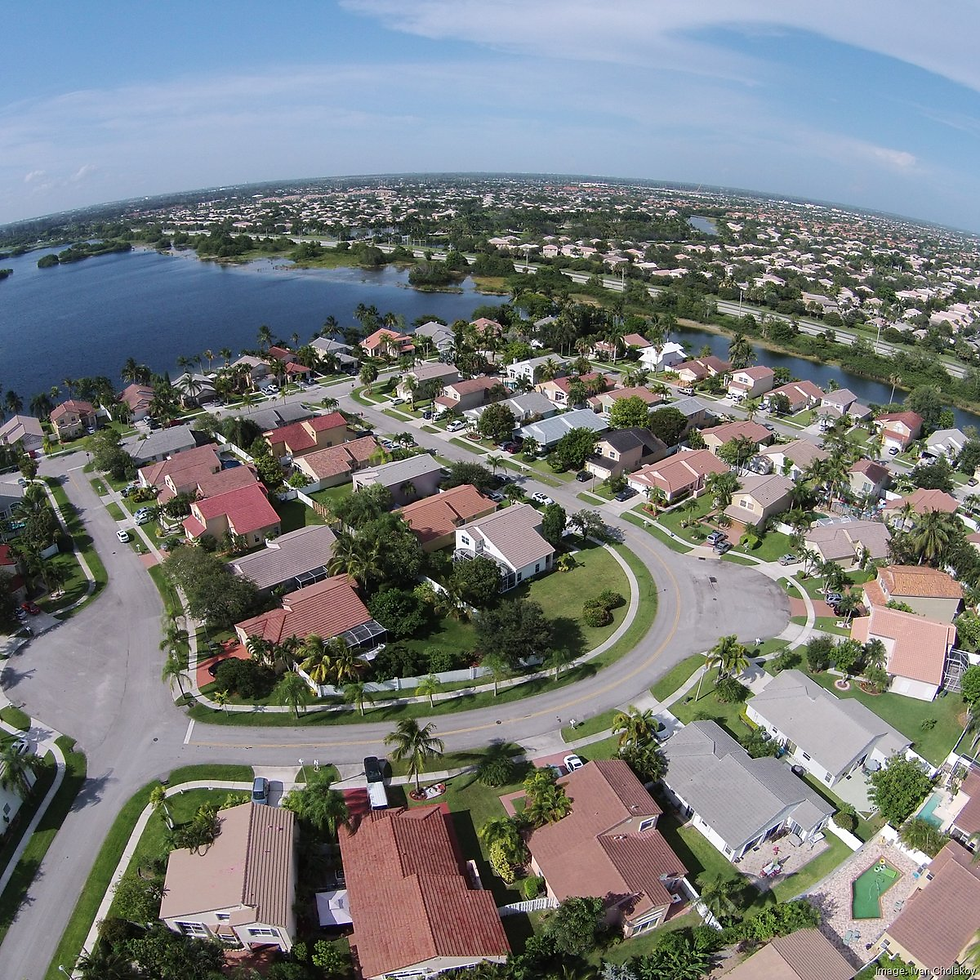
Test the Neighborhood Before Buying: Why Renting First Can Be a Smart Move in Florida
When relocating to Florida, choosing the right neighborhood is just as important as choosing the right home. While online listings, virtual tours, and real estate websites provide useful information, they cannot fully capture what it is like to live in a community every day. Renting before buying gives newcomers the opportunity to experience a neighborhood firsthand and make a more informed long-term decision.
Florida Neighborhoods Can Differ Significantly
One of the unique aspects of Florida real estate is the wide variation between communities, even within the same city. Two neighborhoods located only a few miles apart may offer completely different lifestyles, costs, and risks.
For example, coastal neighborhoods often attract residents with beautiful water views, beach access, and recreational opportunities. However, these areas may also come with higher homeowners insurance premiums, increased flood insurance requirements, and greater exposure to hurricanes and tropical storms.
In contrast, inland neighborhoods may offer lower housing costs, reduced storm-related risks, and more convenient commuting options. These differences can have a major impact on both quality of life and long-term housing expenses.
Evaluate Daily Commute Times
Traffic conditions can vary dramatically depending on location, season, and local development. A commute that appears manageable on a map may become much longer during peak travel hours or tourist seasons.
Renting allows residents to experience daily travel routines before making a permanent investment in a particular area.
Understand Local Noise Levels
Noise is another factor that is difficult to evaluate through online research alone. Some neighborhoods may be located near busy roads, airports, entertainment districts, or construction projects. Spending time in a rental property allows prospective buyers to determine whether the area's noise levels align with their lifestyle preferences.
Assess Flood Risk and Storm Preparedness
Florida's geography makes flood risk an important consideration for homeowners. Even neighborhoods within the same city can have vastly different flood zone classifications and insurance requirements.
By renting first, newcomers can learn more about local drainage systems, storm preparedness measures, and how weather events affect the community throughout the year.
Explore Access to Shopping and Healthcare
Convenient access to grocery stores, restaurants, medical facilities, and essential services can significantly influence daily life. Renting provides time to evaluate how easily residents can access the amenities they use most frequently and whether the location supports their long-term needs.
Experience the Community Atmosphere
Every neighborhood has its own personality. Some areas offer a quiet residential environment, while others provide a more active social scene with community events, recreational facilities, and nightlife.
Living in a neighborhood for several months helps buyers determine whether the community atmosphere aligns with their lifestyle and future goals.
Research Future Development Plans
A neighborhood may look ideal today, but future development projects can alter traffic patterns, population density, and property values. Renting provides time to investigate local development plans, zoning changes, and upcoming construction projects that could affect the area's long-term appeal.
Better Information Leads to Better Decisions
Purchasing a home is a significant financial commitment. By renting first, buyers gain valuable insight into the realities of living in a particular community before making a long-term investment. Understanding commute times, flood risks, amenities, neighborhood culture, and future growth plans can help ensure greater satisfaction with a future home purchase.
Florida offers a wide variety of communities, each with unique advantages and challenges. Renting before buying allows newcomers to experience these differences firsthand and evaluate factors that may not be obvious during a short visit. For many buyers, taking time to test a neighborhood before purchasing a home can lead to a more confident and rewarding real estate decision.

Understand Florida's True Cost of Ownership Before Buying a Home
Florida's lack of a state income tax is one of the biggest reasons people relocate from high-tax states. For many newcomers, the prospect of lower taxes can make homeownership in Florida appear especially attractive. However, focusing solely on tax savings may overlook several important expenses that contribute to the true cost of owning a home.
Renting before buying can provide valuable insight into these costs, helping new residents make a more informed financial decision.
Looking Beyond Tax Advantages
While Florida's tax structure can offer significant savings compared to states with high income taxes, homeownership involves many ongoing expenses beyond a mortgage payment. These costs vary by location, property type, and community, and can have a major impact on a homeowner's overall budget.
Understanding these expenses before purchasing a home can help avoid unexpected financial strain.
Property Taxes
Florida property taxes are assessed at the local level and vary by county, municipality, and school district. The amount owed depends on a property's assessed value and applicable tax rates.
While some homeowners may qualify for exemptions that reduce taxable value, property taxes remain an important part of the overall cost of ownership and should be carefully evaluated when comparing neighborhoods.
Homeowners Insurance
Insurance costs have become an increasingly important consideration for Florida homeowners. Premiums can vary significantly depending on factors such as location, age of the home, construction materials, and proximity to the coast.
Buyers moving from other states are often surprised by the difference in insurance costs, particularly in areas exposed to hurricanes and severe weather.
Flood Insurance
Not all Florida properties require flood insurance, but homes located in designated flood zones may face mandatory coverage requirements, especially if financed through a federally regulated lender.
Even properties outside high-risk flood zones may benefit from flood insurance, depending on local conditions and personal risk tolerance.
Homeowners Association (HOA) Fees
Many Florida communities, particularly condominiums, townhome developments, and master-planned neighborhoods, require homeowners to pay HOA fees.
These fees can cover services such as landscaping, security, maintenance of common areas, recreational facilities, and community amenities. However, HOA costs can vary substantially and should be included when calculating total housing expenses.
Maintenance and Upkeep
Homeownership comes with ongoing maintenance responsibilities that renters typically do not face directly. Routine repairs, landscaping, roof maintenance, air conditioning service, pest control, and exterior upkeep can add significant costs over time.
Florida's climate can accelerate wear and tear on certain home components, making regular maintenance especially important.
Hurricane Preparation Costs
Florida residents must also consider the costs associated with storm preparedness. These may include hurricane shutters, emergency supplies, backup power solutions, tree trimming, and other protective measures designed to reduce storm-related risks.
While these expenses may not occur every year, they are an important part of long-term homeownership planning.
Why Renting First Can Help
Renting provides newcomers with an opportunity to learn about local housing expenses before committing to a mortgage. During a lease term, prospective buyers can research insurance rates, observe maintenance needs, compare HOA fees, and better understand the financial realities of living in a particular community.
This additional knowledge can help buyers establish a realistic housing budget and choose a property that aligns with their long-term financial goals.
Florida's tax advantages make it an attractive destination for many people relocating from high-tax states. However, successful homeownership requires understanding the full range of ownership expenses beyond tax savings. Property taxes, insurance premiums, HOA fees, maintenance costs, and hurricane preparedness expenses can all influence the true cost of owning a home. Renting first allows newcomers to gain valuable insight into these factors and make a more informed purchasing decision.

Try Different Housing Types Before Buying in Florida
Relocating to Florida often involves more than simply choosing a new city—it also requires deciding what type of home best fits your lifestyle. Many newcomers arrive with a clear vision of the property they want to purchase, only to discover that their preferences change after spending time in their new environment.
Renting before buying provides a valuable opportunity to explore different housing options and gain firsthand experience with the advantages and challenges of each property type.
Your Housing Preferences May Change After Moving
Before relocating, many buyers assume that a single-family home is the ideal choice. However, daily life in Florida can influence priorities in unexpected ways. Factors such as climate, maintenance requirements, commuting patterns, and access to amenities often affect what residents ultimately value most in a home.
A rental period allows newcomers to test different living arrangements before making a long-term financial commitment.
Condominiums: Low-Maintenance Living
Many Florida residents are attracted to condominiums because they typically require less exterior maintenance than single-family homes. Condo associations often handle landscaping, building maintenance, and common-area upkeep.
For individuals seeking a lock-and-leave lifestyle or those who travel frequently, condominium living can offer convenience and reduced maintenance responsibilities.
Townhomes: A Balance of Space and Convenience
Townhomes provide a middle ground between condominiums and detached homes. Residents often enjoy more living space and privacy than a condo while still benefiting from shared amenities and maintenance services.
Many townhome communities include features such as swimming pools, fitness centers, walking trails, and landscaped common areas, making them attractive to a wide range of buyers.
Active Adult Communities
Florida is home to numerous active adult communities designed for residents seeking a social and recreational lifestyle. These communities often feature golf courses, clubhouses, fitness facilities, organized activities, and various social events.
Renting in or near one of these communities can help prospective buyers determine whether the lifestyle aligns with their long-term goals and interests.
Waterfront Properties
Living near the water is a dream for many people moving to Florida. Waterfront homes offer scenic views, boating access, and a unique coastal lifestyle. However, they may also come with higher insurance costs, maintenance requirements, and weather-related considerations.
Renting a waterfront property allows newcomers to experience the benefits and responsibilities of waterfront living before making a substantial investment.
Urban Apartments Near Employment Centers
Some buyers initially focus on suburban or coastal neighborhoods but later realize that living closer to employment centers offers significant advantages. Urban apartments can provide shorter commutes, walkability, access to restaurants and entertainment, and proximity to major business districts.
Experiencing urban living firsthand can help newcomers determine whether convenience and accessibility outweigh the appeal of larger properties farther from city centers.
Learn What Matters Most
A rental period provides more than just housing—it offers an opportunity to evaluate lifestyle preferences. Residents can assess factors such as maintenance requirements, neighborhood amenities, commute times, social opportunities, and overall convenience before committing to a purchase.
This experience often leads to more confident and informed real estate decisions.
Florida offers an impressive variety of housing options, each with unique benefits and considerations. Renting before buying allows newcomers to explore condominiums, townhomes, active adult communities, waterfront properties, and urban apartments firsthand. By experiencing different housing types before purchasing, buyers can better understand their priorities and choose a home that truly supports their long-term lifestyle goals.

Watch the Local Housing Market Before You Buy
For many people relocating to Florida, purchasing a home is one of the most significant financial decisions they will make. While it can be tempting to buy immediately after arriving, taking time to rent first may provide valuable insight into local market conditions and help buyers make a more informed purchase.
Florida's real estate markets can change rapidly due to a variety of factors, including interest rates, population growth, housing inventory, and regional economic conditions. A rental period allows prospective buyers to observe these trends before committing to a long-term investment.
Florida Markets Can Shift Quickly
Florida has experienced substantial population growth in recent years, attracting retirees, remote workers, families, and investors from across the country. As migration patterns change, housing demand can fluctuate significantly from one community to another.
Interest rate changes, new construction activity, employment growth, and economic conditions can also influence home prices and market competitiveness. Buyers who take time to study these trends often gain a clearer understanding of current market conditions.
Monitor Home Prices Over Time
One advantage of renting first is the opportunity to track home prices over several months. Rather than making a decision based on a single snapshot of the market, buyers can observe whether prices are rising, stabilizing, or declining in their preferred areas.
This information may help determine whether it makes sense to purchase immediately or continue monitoring the market for better opportunities.
Compare Multiple Neighborhoods
Florida communities can vary widely in terms of price, amenities, school districts, insurance costs, and lifestyle offerings. Renting provides the flexibility to explore multiple neighborhoods before narrowing down a preferred location.
Buyers may discover areas they had not previously considered or find that their priorities change after experiencing local life firsthand.
Track Housing Inventory Levels
The number of homes available for sale can affect both pricing and negotiating power. In a low-inventory market, buyers may face increased competition and fewer choices. In contrast, higher inventory levels can provide more options and potentially create opportunities for stronger negotiations.
Monitoring inventory trends during a rental period can help buyers better understand the balance between supply and demand in their target market.
Identify Seasonal Market Trends
Florida real estate activity often follows seasonal patterns. Certain times of year may bring increased buyer demand, while other periods may offer less competition and greater negotiating flexibility.
By spending several months in the market, renters can observe these seasonal trends and potentially time their purchase more strategically.
Improve Financing Options
A rental period can also provide additional time to strengthen personal finances. Buyers may use this time to improve credit scores, reduce debt, increase savings, or shop for more favorable mortgage terms.
Even a small improvement in financing can result in significant long-term savings over the life of a mortgage.
Gain a Stronger Negotiating Position
Knowledge is one of the most valuable tools in any real estate transaction. Buyers who understand local pricing trends, inventory levels, and neighborhood conditions are often better equipped to negotiate effectively.
Instead of feeling pressured to purchase quickly, renters can approach the market with greater confidence and patience.
Florida's housing market is dynamic and influenced by numerous economic and demographic factors. Renting before buying allows newcomers to monitor home prices, compare neighborhoods, evaluate inventory levels, identify seasonal trends, and improve financing options. This additional time and market knowledge can lead to a better purchasing decision and a stronger negotiating position when the right home becomes available.
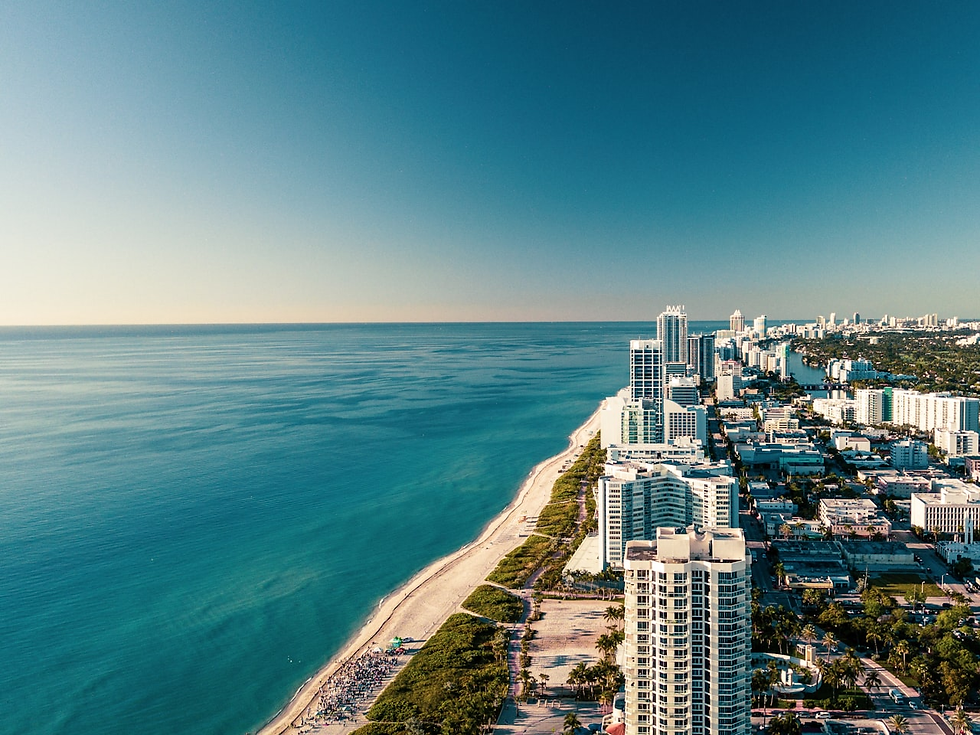
Popular Florida Areas to Rent Before Buying
Florida continues to attract thousands of new residents each year, many of whom relocate from high-tax states in search of warmer weather, lower taxes, and an improved quality of life. While purchasing a home may be the ultimate goal, many newcomers choose to rent first to better understand local communities, housing markets, and lifestyle options.
A rental period can provide valuable insight into an area's daily living experience and help buyers make more informed long-term decisions. Several Florida cities are especially popular among newcomers who want to explore the market before purchasing property.
Boca Raton
Located in South Florida, Boca Raton is known for its upscale neighborhoods, beautiful beaches, excellent schools, and strong business environment. The city attracts professionals, retirees, and families seeking a high quality of life.
Renting in Boca Raton allows newcomers to compare coastal and inland neighborhoods, evaluate commuting patterns, and determine whether the area's housing costs align with their long-term budget.
Palm Coast
Situated between Daytona Beach and St. Augustine, Palm Coast offers a quieter lifestyle with access to beaches, golf courses, and outdoor recreation. The city has become increasingly popular among retirees and remote workers looking for more affordable housing compared to some larger Florida markets.
Renting first provides an opportunity to experience the area's relaxed atmosphere and evaluate different residential communities before buying.
Tampa
Tampa is one of Florida's fastest-growing metropolitan areas, offering a diverse economy, professional sports, entertainment venues, and waterfront living. The region includes a wide variety of neighborhoods ranging from urban districts to suburban master-planned communities.
A rental period allows newcomers to explore the area's many housing options and determine which part of the metropolitan region best suits their lifestyle and employment needs.
Sarasota
Sarasota is well known for its cultural attractions, Gulf Coast beaches, and vibrant arts scene. The city appeals to retirees, professionals, and seasonal residents seeking a blend of recreation and sophistication.
Renting before buying allows prospective homeowners to compare downtown living, waterfront communities, and suburban neighborhoods while gaining a better understanding of local housing costs.
Naples
Naples is one of Florida's most desirable coastal markets, known for luxury real estate, golf communities, and beautiful beaches. While the city offers an exceptional lifestyle, housing costs can be significantly higher than in many other Florida markets.
Renting first gives newcomers time to evaluate neighborhoods, understand ownership expenses, and determine whether the Naples lifestyle matches their long-term goals.
Jacksonville
As Florida's largest city by land area, Jacksonville offers diverse housing options, a growing economy, and relatively affordable real estate compared to many coastal markets. Residents can choose from urban neighborhoods, suburban communities, and beachfront areas.
A rental period helps buyers narrow down preferred locations within this large and varied city.
Orlando
Orlando is much more than a tourism destination. The region has become a major employment center for technology, healthcare, education, and professional services. With numerous suburbs and master-planned communities, buyers have many choices when considering where to live.
Renting allows newcomers to evaluate commute times, school districts, and neighborhood amenities before committing to a home purchase.
Fort Myers
Fort Myers continues to attract retirees, seasonal residents, and remote workers seeking Southwest Florida's coastal lifestyle. The area offers access to beaches, boating, golf courses, and outdoor recreation.
Renting before buying can help newcomers understand local insurance costs, hurricane-related considerations, and the differences between waterfront, suburban, and inland communities.
Why Renting First Can Be Beneficial
Each Florida market offers its own advantages and challenges. Factors such as housing costs, insurance premiums, traffic patterns, weather exposure, school quality, and lifestyle amenities can vary significantly from one city to another.
By renting before buying, newcomers gain firsthand experience with local conditions, allowing them to make a more confident and informed real estate decision.
Boca Raton, Palm Coast, Tampa, Sarasota, Naples, Jacksonville, Orlando, and Fort Myers remain among Florida's most popular destinations for new residents. Because each market offers unique opportunities and challenges, renting first can provide valuable insight into neighborhood dynamics, housing costs, and overall lifestyle. For many buyers, a temporary rental serves as an important step toward finding the right Florida home for the long term.
Florida's tax advantages can create significant long-term savings for residents relocating from higher-tax states. However, buying a home immediately after moving may increase the risk of choosing the wrong neighborhood, overestimating affordability, or misunderstanding local costs.
Renting first provides flexibility, reduces pressure, and allows newcomers to gain a deeper understanding of their new community. For many buyers, spending six to twelve months in a rental property is a practical step that can lead to a more informed and confident home purchase.
Sources:
Florida Department of Highway Safety and Motor Vehicles (FLHSMV)
Florida Department of Education
Florida Office of Insurance Regulation
U.S. Census Bureau – American Community Survey
National Association of Realtors (NAR)
Consumer Financial Protection Bureau (CFPB)
Federal Emergency Management Agency (FEMA) Flood Map Service Center
Florida Department of Transportation (FDOT)
Florida Office of Insurance Regulation
U.S. Census Bureau
Florida Department of Economic Opportunity
National Association of Realtors (NAR)
Consumer Financial Protection Bureau (CFPB)
Florida Department of Revenue – Property Tax Overview
Florida Office of Insurance Regulation
Federal Emergency Management Agency (FEMA)
National Flood Insurance Program (NFIP)
Consumer Financial Protection Bureau (CFPB)
National Association of Realtors (NAR)
U.S. Department of Housing and Urban Development (HUD)
National Association of Realtors (NAR)
U.S. Department of Housing and Urban Development (HUD)
Florida Realtors®
Consumer Financial Protection Bureau (CFPB)
U.S. Census Bureau – American Housing Survey
Florida Department of Economic Opportunity
Urban Land Institute (ULI)
Local Economic Development Agencies and Municipal Planning Departments


Comments